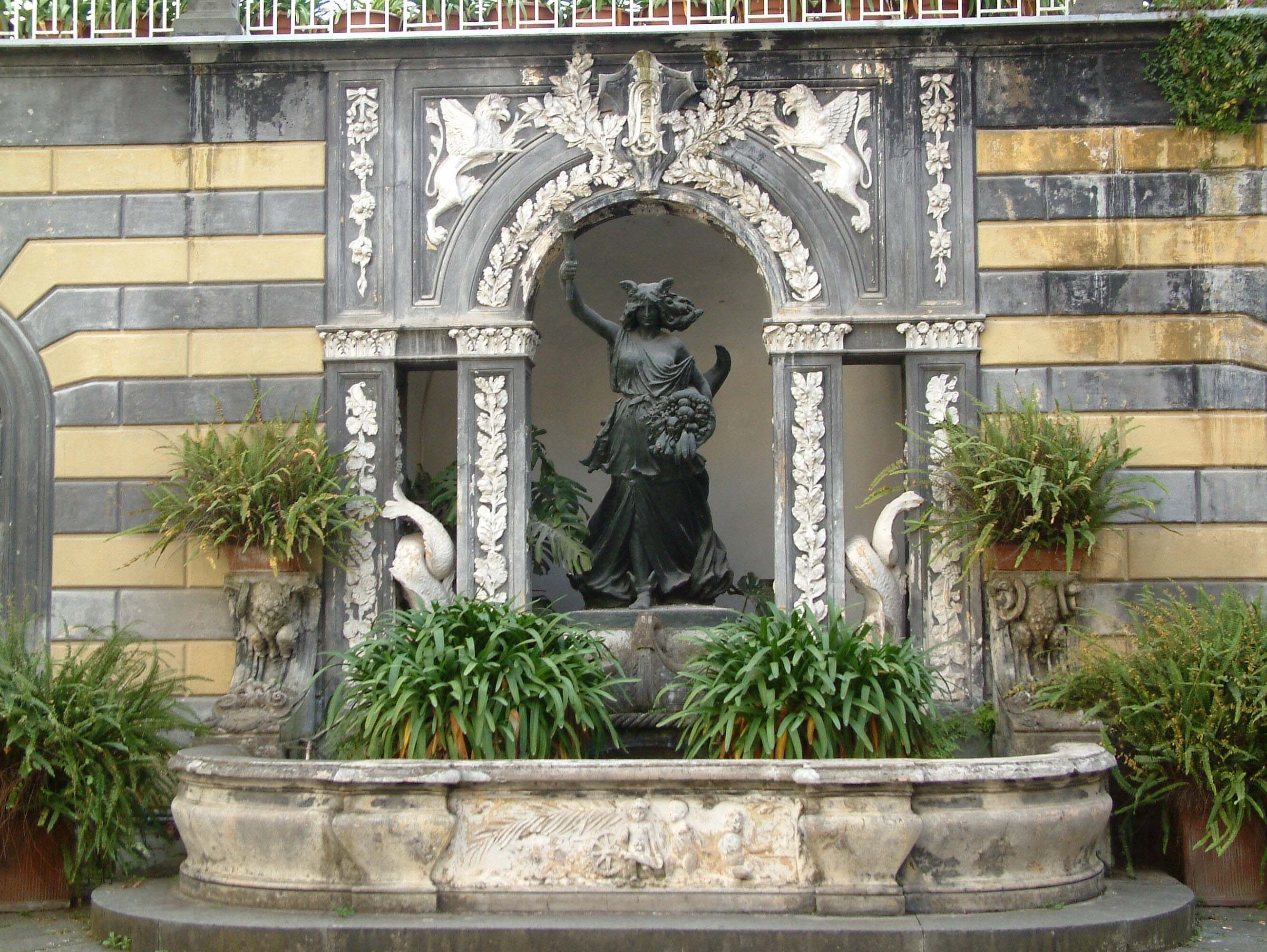

Nestled in the heart of Aversa, Palazzo Golia stands as a captivating testament to Italy's rich history and architectural splendor. This noble palace, primarily known for its inner courtyard, offers visitors a glimpse into the elegance of bygone eras. The courtyard itself is a serene oasis, featuring a magnificent fountain depicting the allegorical figure of Campania Felix, surrounded by centuries-old trees and a charming hanging garden that whispers stories of the past.
### History and Origins Palazzo Golia dates back to the 16th century, a period marked by significant political and cultural shifts in Italy. It was initially constructed as a noble residence, its walls imbued with tales of aristocratic life and historical events. The palace gained prominence in 1860 when it hosted Giuseppe Garibaldi, the revered leader of the Italian unification movement, just before the decisive battle of Volturno, a pivotal moment in Italy's journey towards unification. In addition, it welcomed Enrico De Nicola, the first President of the Italian Republic, further solidifying its status as a hub of historical significance.
### Art and Architecture The architectural style of Palazzo Golia embodies the Renaissance influence, characterized by elegant proportions and harmonious design. Visitors are drawn to the courtyard, where the fountain serves as a centerpiece, showcasing intricate sculptural details. The surrounding architecture features delicate baroque elements, a reflection of the opulence associated with noble residences of the time. The hanging garden adds a unique touch; its design is reminiscent of ancient Roman gardens, blending nature with artistry in a way that captivates the senses.
### Local Culture and Traditions Aversa is rich in local traditions, many of which have been shaped by its historical significance. The annual Festa di San Paolo, celebrated in late June, showcases the town's deep-rooted religious customs and community spirit. During this vibrant festival, streets are adorned with colorful decorations, and a sense of festivity envelops the town as locals engage in traditional music, dance, and culinary delights. The Palazzo Golia, being a cultural landmark, often serves as a backdrop for such events, bridging the past and present in a celebration of heritage.
### Gastronomy No visit to Aversa is complete without indulging in its culinary offerings. The region is renowned for its pizza, particularly the Pizza di Aversa, distinguished by its soft yet crispy crust. The dough is made using locally sourced ingredients, and it often features classic toppings like mozzarella di bufala and fresh basil. Additionally, the area is famous for its pasta dishes and pastries, including the delightful struffoli, a sweet treat made from deep-fried dough balls coated in honey. Pair these delicacies with a glass of Lacryma Christi, a renowned local wine, to truly savor the flavors of Aversa.
### Lesser-known Curiosities While many visitors flock to the more famous landmarks in Italy, Palazzo Golia offers intriguing stories often overlooked. One fascinating fact is that the palace is rumored to have secret passageways, remnants of its noble past, used for discreet exits during turbulent times. Furthermore, the hanging garden is said to be one of the oldest in the region, a hidden gem that reflects the innovative spirit of its creators. Many locals believe that walking through the garden brings good fortune, adding a layer of mystique to the experience.
### Practical Visitor Information The best time to visit Palazzo Golia and Aversa is during the spring or early autumn months, when the weather is mild and conducive for exploring. While the courtyard is the primary area accessible to visitors, be sure to take your time to appreciate the intricate details of the architecture and the tranquility of the garden. For a more enriching experience, consider joining a guided tour that delves deeper into the history and significance of the palace.
In conclusion, Palazzo Golia is not just a historical site; it is a vibrant piece of Aversa's identity, encapsulating the essence of Italian culture and history. To fully appreciate the beauty and stories that this magnificent palace holds, consider planning a personalized itinerary that highlights its unique offerings.
