



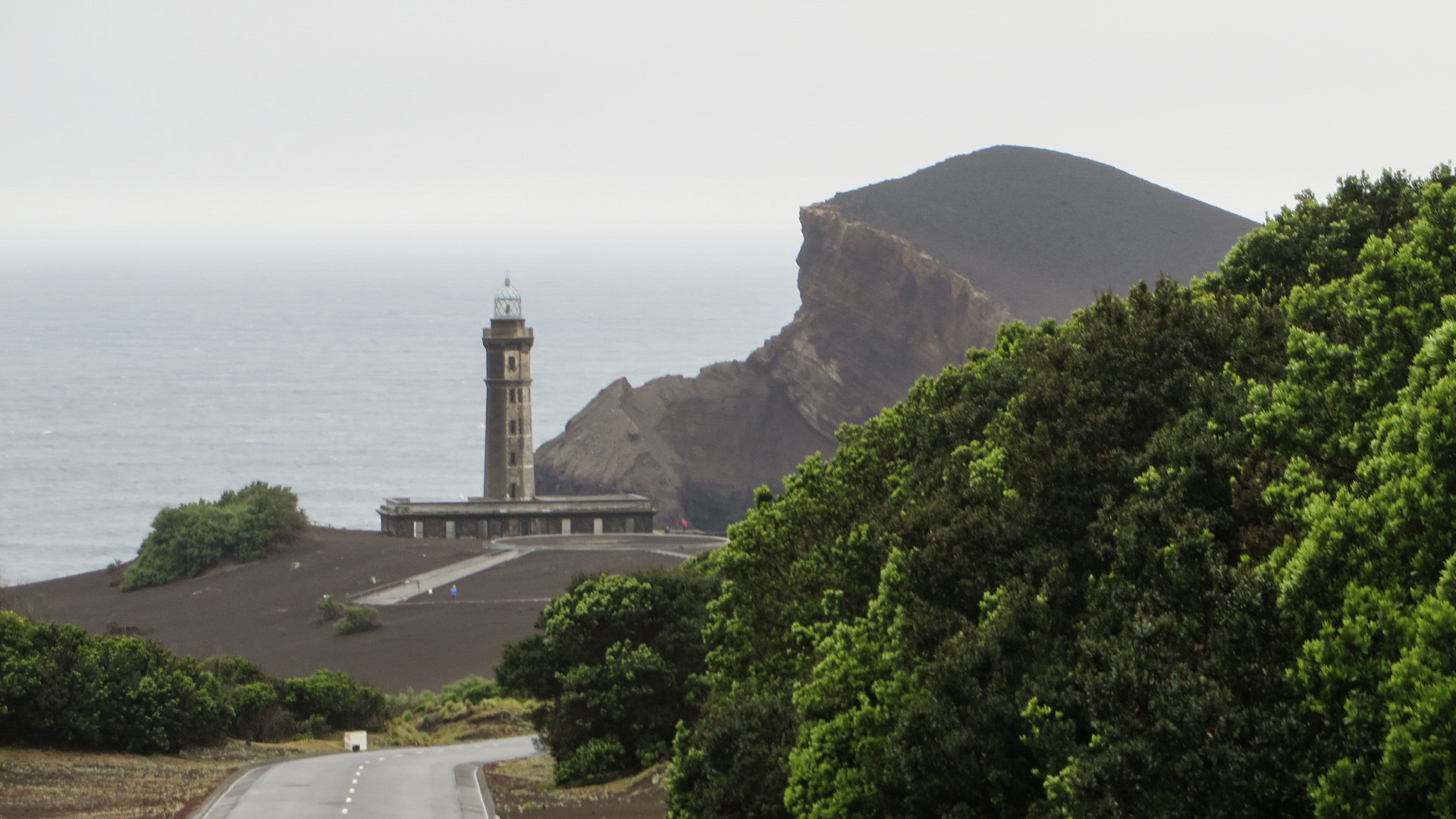
The Lighthouse at Capelinhos on the island of Faial in the Azores stands as a poignant sentinel against the Atlantic’s restless waves, a testament to both nature's fury and human resilience. This stark, yet striking structure emerged as an icon of survival following the cataclysmic volcanic eruption that began in September 1957 and raged for 13 months. The eruption added a new western peninsula to Faial, transforming the landscape and leaving the lighthouse, once perched safely on the coast, surrounded by a barren, lunar-like terrain.
The Azores, a captivating archipelago of nine islands, was discovered by Portuguese navigators in the early 15th century. Faial, with its strategic position in the North Atlantic, became a crucial stopover for transatlantic ships. The Capelinhos eruption was a defining event in the island's history, displacing families and drawing scientific interest worldwide. Today, the site is a protected landmark, inviting visitors to explore its geological marvels and delve into its tumultuous past.
Architecturally, the lighthouse is a blend of functional design and historical charm. Built in 1903, it exemplifies the utilitarian style typical of early 20th-century maritime structures. Its simple lines and robust form were integral in guiding ships safely through the treacherous waters. After the eruption, the lighthouse ceased operation but gained new life as a symbol of endurance and adaptation. The underground museum adjacent to the lighthouse immerses visitors in the island’s volcanic history, with interactive exhibits and panoramic views of the volcanic calderas.
Faial's culture is deeply intertwined with its volcanic origins and maritime traditions. The island hosts the Semana do Mar (Sea Week) festival every August, celebrating its seafaring heritage with regattas, concerts, and cultural events. Local craftsmanship thrives, with artisans producing intricate lacework and vibrant ceramics, reflecting the vibrant hues of the Azorean landscape.
The island’s gastronomy is a delightful journey into the Azorean palate, heavily influenced by the Atlantic’s bounty. A must-try is the Caldeirada de Peixe, a hearty fish stew brimming with locally caught seafood. For a sweet treat, indulge in Fofas do Faial, a pastry filled with a creamy custard, offering a taste of the island’s rich culinary tradition. Pair these with a glass of verdelho, a wine cultivated on the volcanic slopes, embodying the unique terroir of the region.
Among the lesser-known curiosities of Capelinhos is its role in advancing volcanology. The eruption was one of the first to be extensively documented by scientists, influencing modern understanding of volcanic activity. Beneath the surface, the museum ingeniously integrates with the landscape, its architecture mirroring the austere elegance of the lighthouse above. Few visitors realize that the museum hosts a rich collection of photographic records, capturing not only the geological changes but also the human stories of resilience and adaptation.
For those planning a visit, the best time to explore Faial and its volcanic wonders is between May and September, when the weather is mild and the island’s flora is in full bloom. Start your journey at the Capelinhos Interpretation Centre, where the subterranean exhibits provide a comprehensive understanding of the eruption’s impact. As you wander the ash-covered fields, look for the distinctive pumice stones, remnants of the explosive past, and take a moment to appreciate the stark beauty of the landscape.
Remember to wear sturdy shoes and bring a jacket; the Atlantic breeze can be brisk even on sunny days. Finally, engage with the locals, whose stories offer profound insights into the island’s history and culture. The Lighthouse at Capelinhos is not just a remnant of the past; it is a vibrant part of Faial’s present, a beacon guiding visitors through the island’s compelling narrative of nature, history, and human spirit.
