
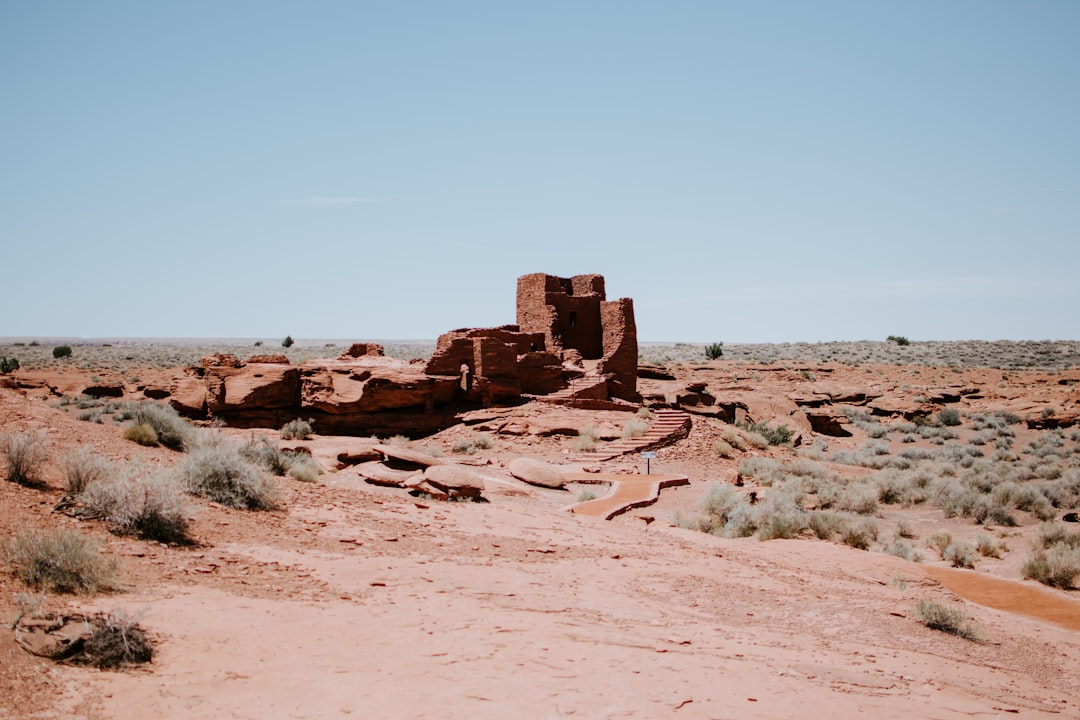

Immersed in the heart of New Mexico, the Aztec Ruins National Monument is a treasure of pre-Columbian architecture, a place where the past meets the present in an embrace of history and natural beauty. Here, the well-preserved ruins of native peoples tell stories of a thriving civilization, offering visitors an authentic glimpse into a culture that has left an indelible mark on American history.
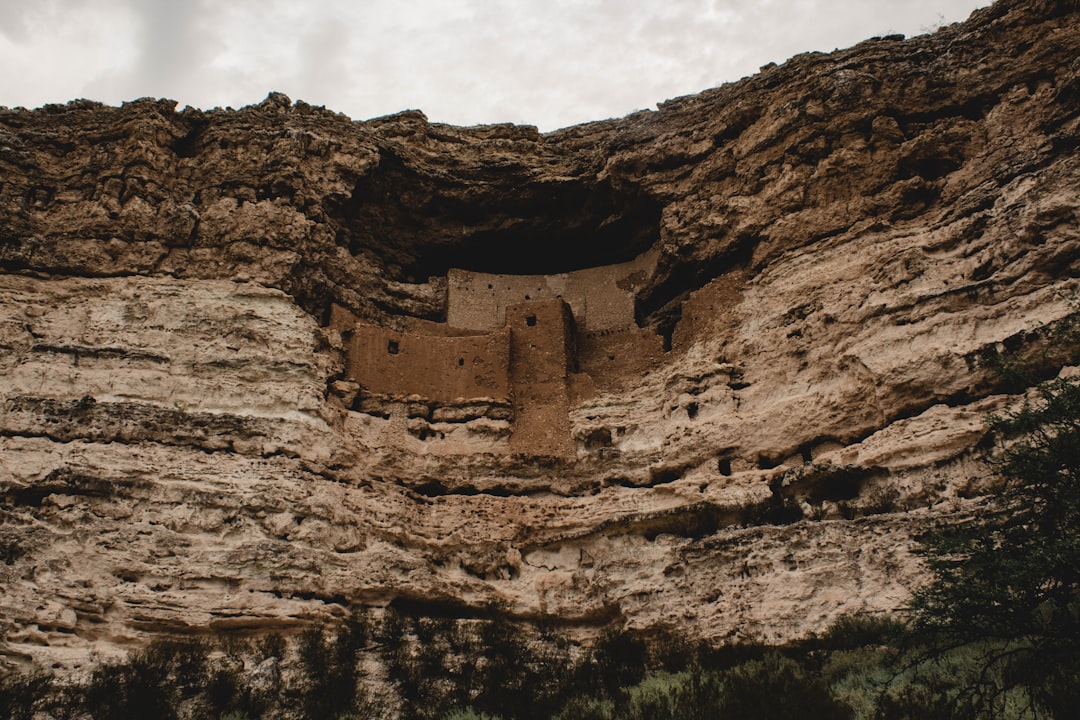
The majestic stone structures, surrounded by a stunning landscape, invite exploration and reflection. Walking among the remains of homes and sacred places, one is enveloped by a sense of wonder and respect for the wisdom and resilience of those who inhabited these lands centuries ago. The Aztec, despite the name, has little to do with the Aztec empire of Mexico; this site is linked to the Chacoans, a civilization that flourished between 1100 and 1300 AD.
A Journey Through Time

Entering the Aztec Ruins National Monument is like crossing a temporal threshold. The ruins, mostly dating back to the 12th century, are among the best preserved in the American Southwest. The main structures, such as the grand "Great House," stand majestically against the blue sky, with their stone walls telling stories of daily life, craftsmanship, and spirituality. Every brick, every crack, every shadow has a narrative to offer to those who know how to listen.
The "Great House" is a testament to the architectural ingenuity of the Chacoans. With its 400 rooms, it is one of the largest constructions in the region, and its complex design reflects not only the practical need for habitation but also the desire to create a sacred space. The windows, arranged with astronomical precision, allow light to filter in ways that mark the changes of seasons and lunar cycles, revealing the intimate connection between the ancient inhabitants and their environment.

An Extraordinary Natural Environment
The monument is not just an archaeological site; it is also a natural paradise. Surrounded by a landscape that varies from rolling meadows to rocky ridges, the Aztec Ruins offers a spectacle of colors and shapes that enchants visitors. The distant mountains and the clouds dancing in the sky create a panorama that seems to have come out of an impressionist painting.

The local fauna and flora add an additional layer of beauty to this extraordinary place. Birds of prey and small mammals populate the area, while native plants such as pinus edulis and yucca shrubs stand tall, witnesses to the resilience of life in an environment that can be both austere and fascinating. In this context, the ruins are not just a remnant of the past, but an integral part of a living and vibrant ecosystem.
Conservation and Culture
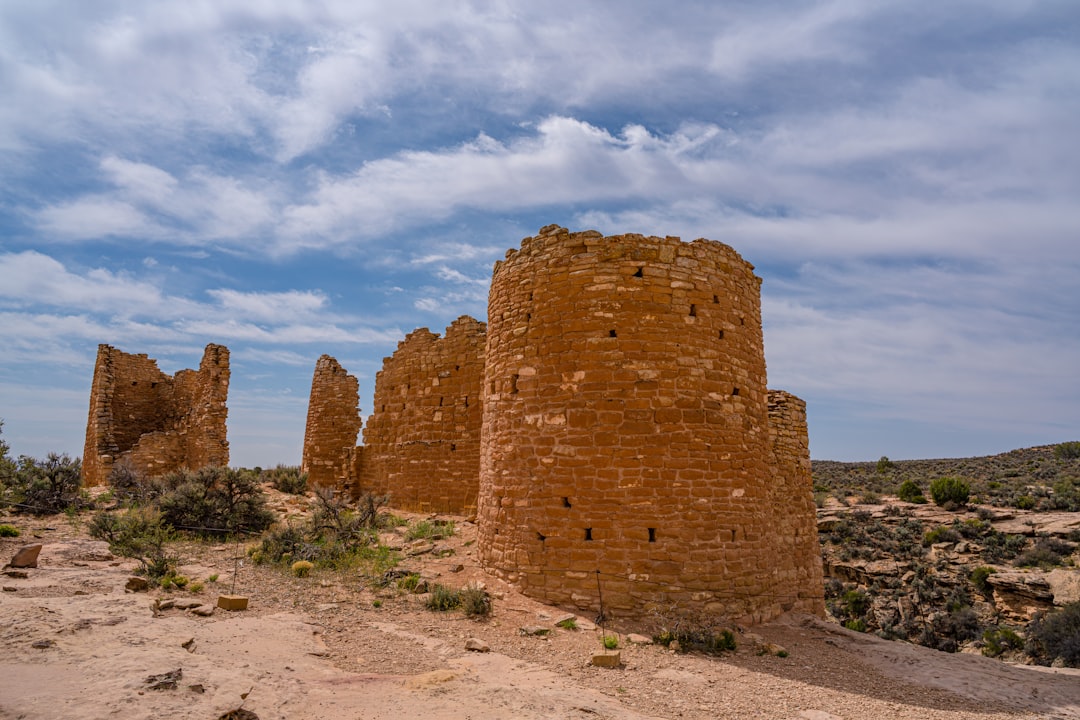
The conservation of this site is essential not only for American history but also for the heritage of native peoples. Workers from the National Park Service and local communities collaborate to preserve the ruins and their cultural significance. Guided tours and educational programs are organized to raise public awareness about the importance of respecting and protecting this heritage.
Furthermore, the Aztec Ruins National Monument is a meeting place for contemporary culture. Local tribes, such as the Navajo and Hopi, continue to celebrate their traditions and history in this sacred place. Ceremonies and festivities intertwine with the past, creating a deep and meaningful connection between generations.
Visit and Reflection
Visiting the Aztec Ruins National Monument is an experience that goes beyond simple observation. It is an opportunity to reflect on the connection between past and present, between architecture and nature, between culture and identity. Walking among the ruins, one is encouraged to consider the stories of those who lived here, their challenges and their achievements.
Every step taken on the land of the ancients is a step towards a greater understanding of ourselves and the world around us. The Aztec Ruins National Monument is not just a place to visit; it is an invitation to immerse oneself in history, to respect nature, and to celebrate the richness of Native American cultures. A journey that, once embarked upon, remains etched in the heart and mind of those who have had the privilege to visit it.


