
← Back

Bacalar the Maldives of Mexico.

Laguna di Bacalar, Quintana Roo, Messico ★★★★☆ 219 views
Kelly Moreno
Laguna di Bacalar
🏆 AI Trip Planner 2026

Get the free app

Discover the best of Laguna di Bacalar with Secret World — the AI trip planner with 1M+ destinations. Get personalized itineraries, hidden gems and local tips. Free on iOS & Android.

🧠 AI Itineraries 🎒 Trip Toolkit 🎮 KnowWhere Game 🎧 Audio Guides 📹 Videos
Scan to download iOS / Android
Scan for AppGallery Huawei users

About Bacalar the Maldives of Mexico.

Bacalar the Maldives of Mexico. - Laguna di Bacalar | Secret World Trip Planner

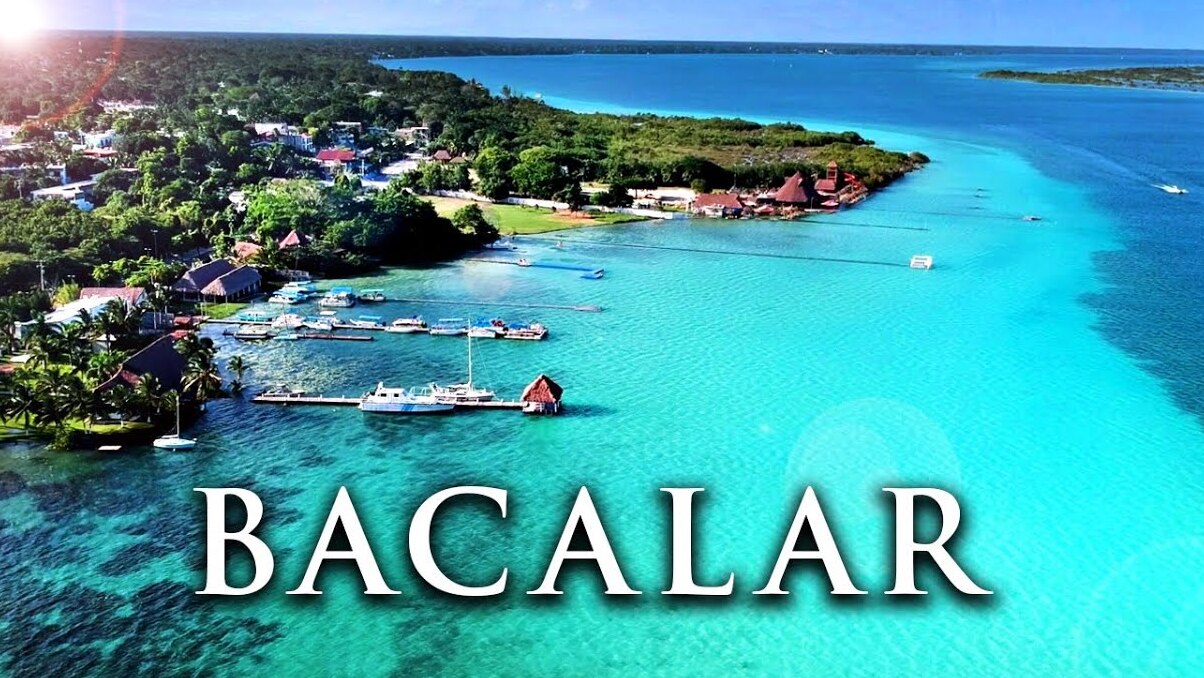
Nestled in the state of Quintana Roo, Bacalar is often referred to as the Maldives of Mexico for its stunning turquoise waters and serene atmosphere. This hidden gem, not yet overrun by international tourism, offers a captivating blend of natural beauty and rich cultural history.

Bacalar the Maldives of Mexico. - Laguna di Bacalar | Secret World Trip Planner

### History and Origins The story of Bacalar stretches back to the ancient Mayan civilization. Originally named Bacalar—derived from the Mayan words ‘Bacalar’ meaning ‘surrounded by reeds’—the region was a vital trade route for the Maya. The lake itself, known as Laguna de Bacalar, is one of the largest freshwater lakes in Mexico and has been a significant source of fresh water for centuries.

In the 16th century, Bacalar became a strategic location for the Spanish conquest. The town was founded in 1543 and quickly became a focal point for the Spanish Empire as they vied for control over the Yucatán Peninsula. The fortress of San Felipe, built in 1729, was constructed to defend against pirate attacks and still stands today, serving as a reminder of the region's tumultuous past.

Bacalar the Maldives of Mexico. - Laguna di Bacalar | Secret World Trip Planner

### Art and Architecture Bacalar’s architectural landscape is a delightful blend of colonial and Mayan influences. Notable structures include the Fort of San Felipe, which features stone walls and a picturesque view of the lake. The local architecture is characterized by bright colors and traditional Mexican tiles that reflect the region’s vibrant culture.

Art plays a significant role in Bacalar, with many local artists drawing inspiration from the lake’s beauty. Visitors can find handcrafted goods in local markets, including textiles and pottery that embody the spirit of the community. Street art also adorns the town, adding a contemporary flair to the historical ambiance.

### Local Culture and Traditions The culture of Bacalar is a rich tapestry woven with Mayan and Mexican traditions. This is vividly showcased in the various festivals celebrated throughout the year. One of the most significant is the Festival de Bacalar, held in November, which features traditional music, dance, and local cuisine, drawing both locals and visitors together in celebration.

Another important cultural event is the Day of the Dead (Día de los Muertos), where families honor their deceased loved ones with intricate altars and vibrant decorations. This celebration reflects the community’s deep connection to its history and ancestral roots.

### Gastronomy Bacalar’s gastronomy is a delicious fusion of Mayan and Mexican flavors. Local dishes often feature fresh seafood caught from the lake, alongside traditional staples like tacos, tamales, and sopes. A must-try dish is the Ceviche de Pescado, marinated in lime juice and mixed with fresh herbs, offering a delightful taste of the region’s bounty.

Don’t miss the chance to sample Kakik, a traditional Mayan soup made with turkey or chicken, flavored with a blend of spices and served with tortillas. For those with a sweet tooth, Cocadas—coconut candies—are a local favorite, perfect for satisfying cravings after a day of exploration.

### Lesser-known Curiosities Despite its growing popularity, Bacalar has retained many of its secrets. One of the most fascinating is the Cenote Azul, a deep cenote located just outside the town. Its crystal-clear waters are a diver's paradise, but many tourists overlook this hidden treasure. Additionally, Bacalar is home to the “Seven Colors” phenomenon of the lake, where the water changes shades of blue depending on the depth and light, creating a mesmerizing spectacle that captivates visitors.

Another intriguing aspect is the Pirate’s Canal, a historic waterway that was used by pirates during the 17th century to infiltrate the Yucatán coast. Today, it is a popular spot for kayaking and paddleboarding, allowing visitors to immerse themselves in the lake's breathtaking beauty while tracing the paths of history.

### Practical Visitor Information The best time to visit Bacalar is during the dry season, from November to April, when temperatures are pleasant, and the skies are clear. To make the most of your trip, consider renting a kayak or paddleboard to explore the lake’s hidden coves and beaches.

Accommodations range from charming, eco-friendly hotels to rustic cabanas, often featuring hammocks and stunning views of the lake. When planning your visit, be sure to check out local markets for handmade crafts and regional delicacies.

For those looking to explore the area further, consider hiring a local guide who can provide insight into Bacalar’s rich history and hidden gems.

Bacalar is a tranquil escape that beautifully combines natural beauty, cultural richness, and historical intrigue. With its pristine waters and warm community, it’s a destination that promises to leave a lasting impression.

Embark on your journey to this serene paradise by using the Secret World app for a personalized itinerary tailored to your interests.

🗺 AI Trip Planner 2026

Plan your visit to Laguna di Bacalar

Suggested itinerary near Bacalar the Maldives of Mexico.

MAJ+
500.000+ travelers worldwide
  1. 🌅
    Morning
    Bacalar the Maldives of Mexico.
    📍 Laguna di Bacalar
  2. ☀️
    Afternoon
    Lagoon Cod
    📍 0 km · Laguna di Bacalar

Buy Unique Travel Experiences

Powered by Viator

See more on Viator.com

Explore nearby · Laguna di Bacalar

Frequently Asked Questions

Bacalar earned this nickname due to its stunning turquoise waters and serene atmosphere that rival tropical paradise destinations. Located in Quintana Roo state, the Laguna de Bacalar is one of Mexico's largest freshwater lakes, offering breathtaking natural beauty that hasn't yet been overwhelmed by mass international tourism, making it a true hidden gem.
The Fort of San Felipe is a historic fortress built in 1729 to defend the region against pirate attacks during the Spanish colonial period. This iconic structure features impressive stone walls and picturesque views of the lake, and it still stands today as a testament to Bacalar's tumultuous past and remains one of the town's most notable attractions.
The name 'Bacalar' is derived from ancient Mayan words meaning 'surrounded by reeds,' reflecting the lake's original landscape and the region's deep Mayan heritage. The area was an important trade route for the Maya civilization long before Spanish colonization in 1543, making it historically significant for over a thousand years.
Bacalar's local markets offer handcrafted goods including traditional textiles and pottery that embody the spirit of the community, created by local artists inspired by the lake's natural beauty. The town also features colorful street art that blends with colonial architecture and traditional Mexican tiles, creating a vibrant cultural atmosphere throughout the town.
Bacalar's architectural landscape is characterized by a blend of colonial and Mayan influences, featuring bright colors and traditional Mexican tiles that reflect the region's vibrant cultural heritage. The most prominent example is the Fort of San Felipe, which showcases stone colonial architecture while the broader town reflects the layered history of Mayan and Spanish colonial periods.