
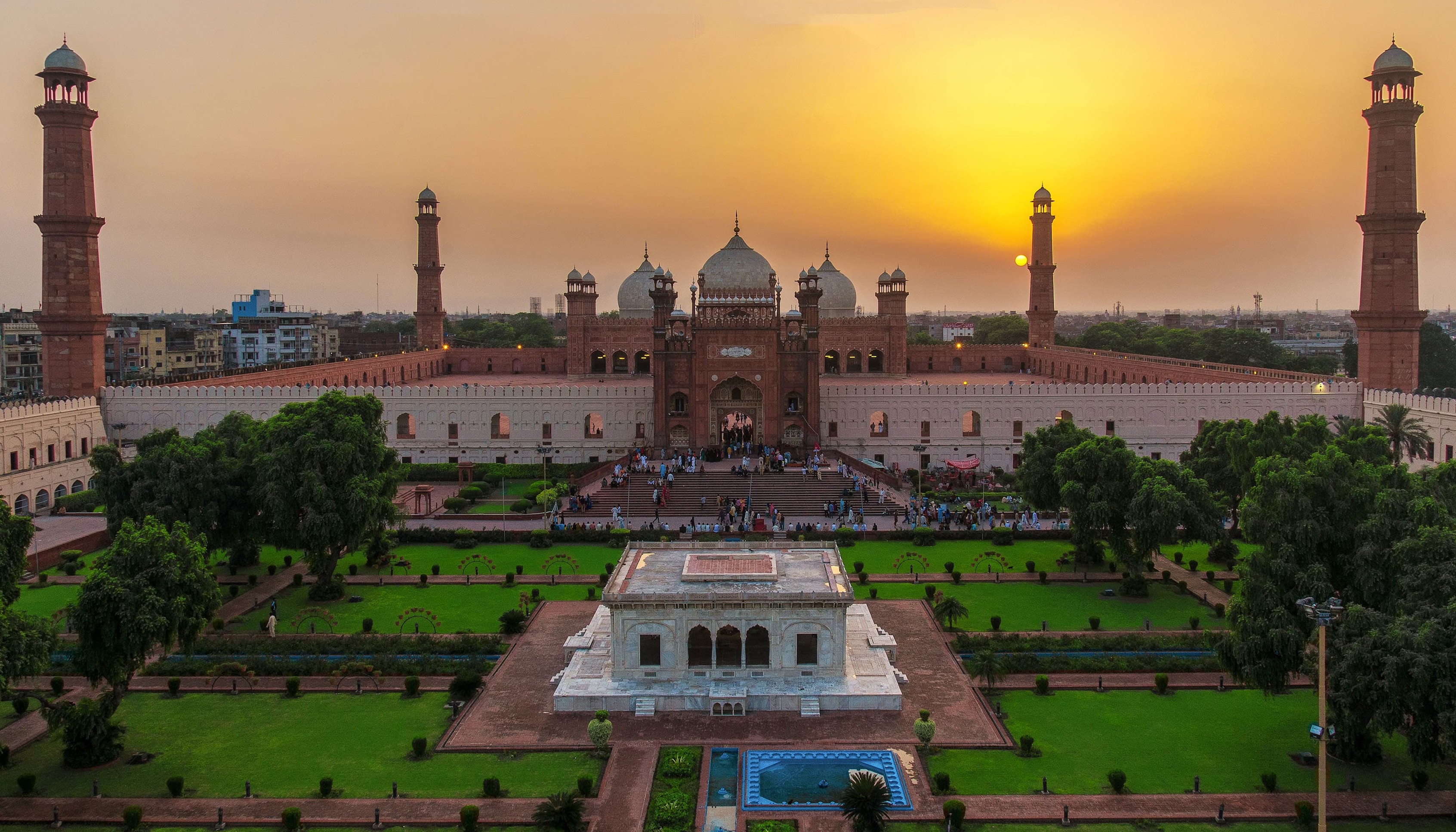

Badshahi Mosque stands as a testament to the grandeur of Mughal architecture, an enduring symbol of Islamic heritage in the heart of Lahore, Pakistan. Commissioned by the formidable Emperor Aurangzeb in 1671, the mosque's construction was completed in 1673, marking the zenith of Mughal architectural prowess. Upon its completion, it was the largest mosque in the world, a title it held for over three centuries until the expansion of the Prophet's Mosque in Medina.
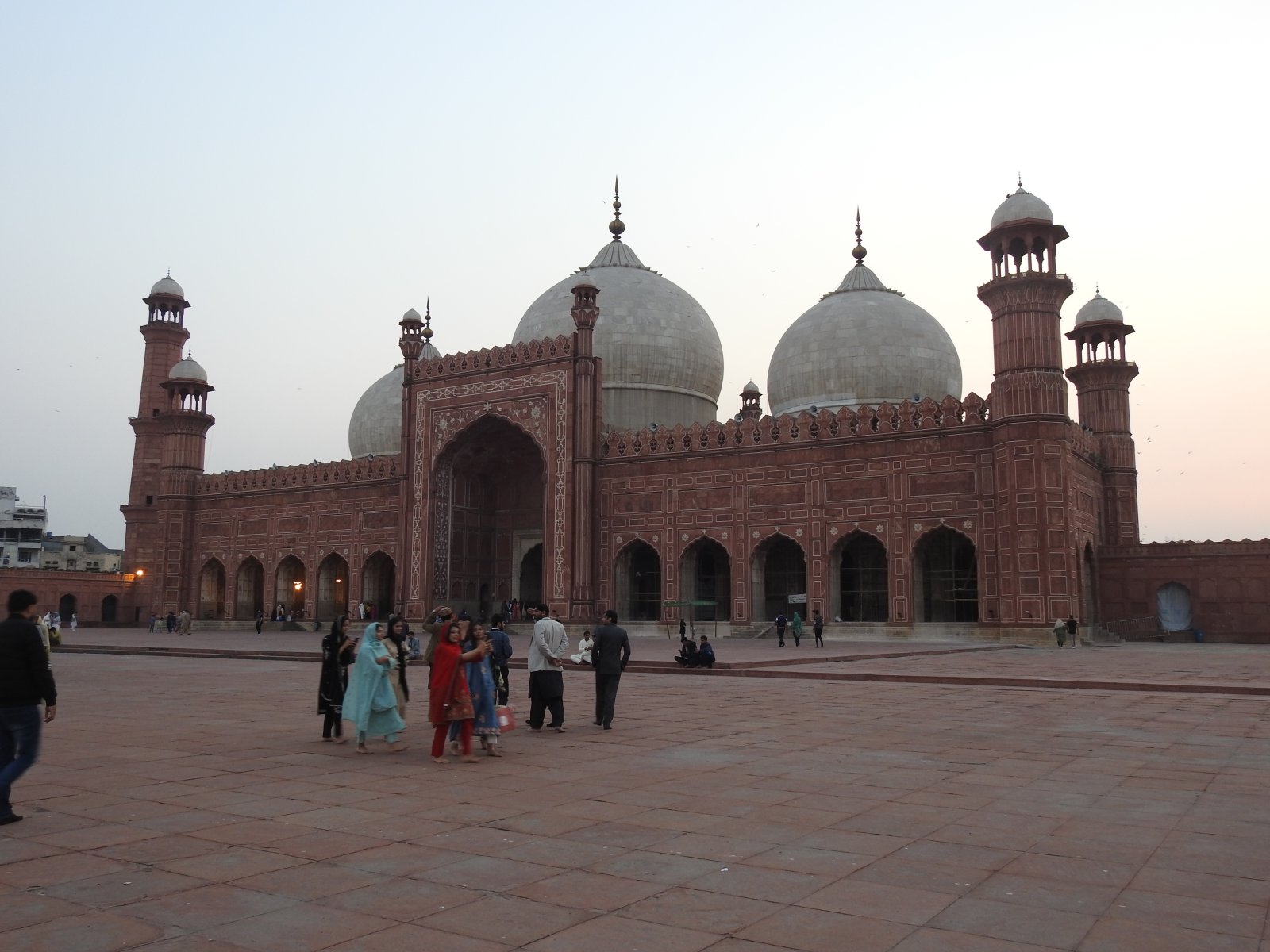
The mosque's history is intertwined with the vicissitudes of empires. Originally serving as a place of worship, it became part of the strategic arsenal during the Sikh and later the British colonial periods. The Sikhs used the mosque's majestic courtyard as a stable for horses, while the British army garrisoned their troops within its walls. It wasn’t until 1947, after the creation of Pakistan, that the mosque was restored to its former glory, reclaiming its status as a sacred site and a cultural icon.
Architecturally, the Badshahi Mosque is a masterpiece of Mughal design, reflecting a blend of Islamic, Persian, Central Asian, and Indian architectural influences. The exterior is adorned with intricately carved red sandstone and delicate inlays of white marble, creating a striking visual contrast. The mosque’s four towering minarets and three grand domes frame an expansive courtyard that can accommodate over 100,000 worshippers. Inside, the mosque's prayer hall features exquisite frescoes and marble work, showcasing the artistry of the Mughal era.
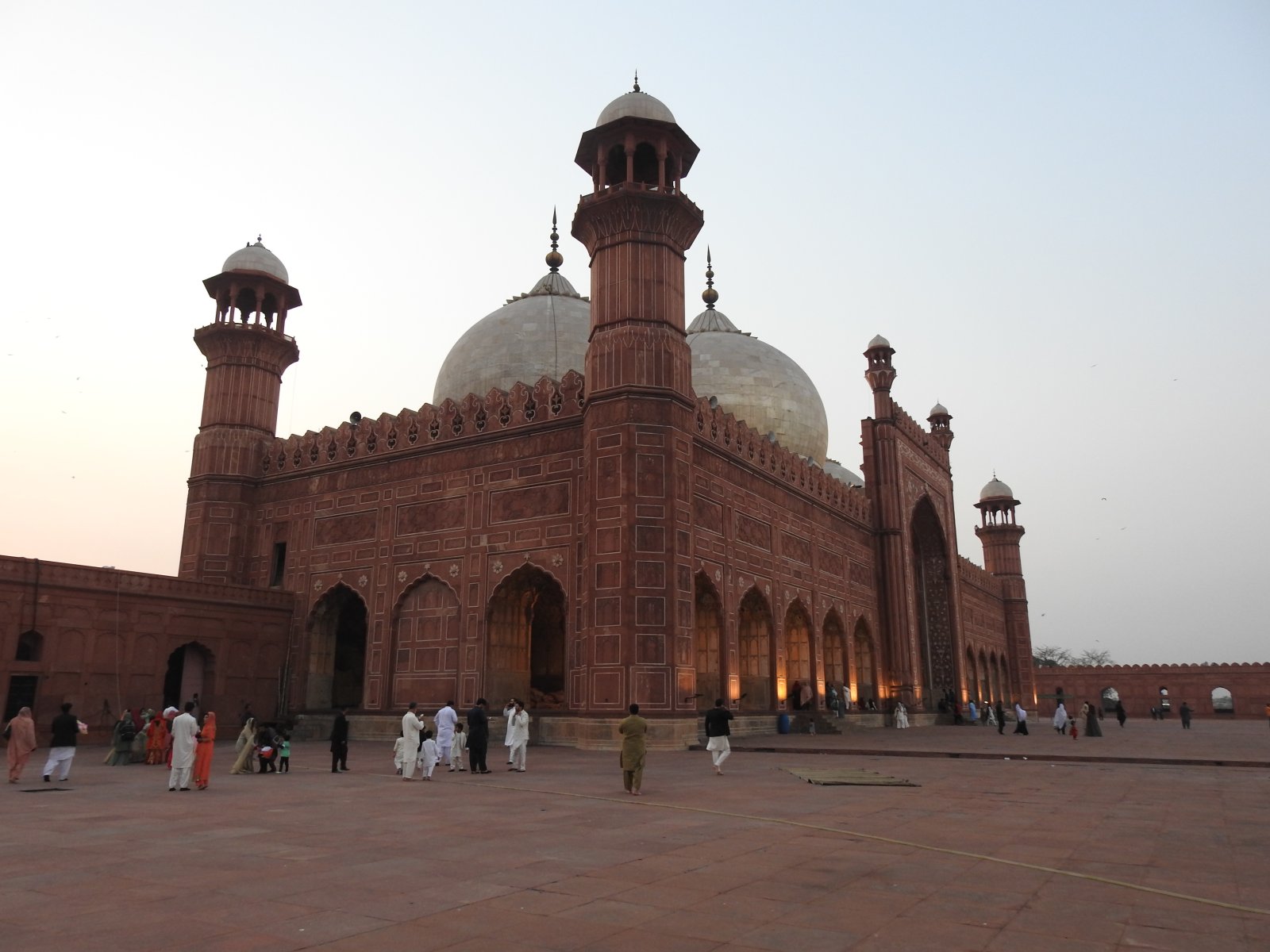
Lahore is not just about historical monuments; it is a city vibrant with cultural life. The mosque is central to the local Islamic traditions, especially during the holy month of Ramadan and the Eid festivals, when its courtyard fills with thousands of worshippers. The call to prayer, echoing through the city, is a daily reminder of the mosque's spiritual significance.
The cultural landscape around the Badshahi Mosque is complemented by Lahore’s rich gastronomy. Just a stone's throw away in the bustling streets of the Old City, visitors can savor traditional Pakistani dishes like Nihari—a slow-cooked beef stew—and Halwa Puri, a deliciously indulgent breakfast staple. Don't miss the chance to try Lahori Chana, a spicy chickpea dish that pairs perfectly with freshly baked naan.
While the mosque's grandeur is evident, there are lesser-known stories that captivate the imagination. Legend has it that beneath the mosque lies a hidden tunnel leading to the Lahore Fort, a reminder of its strategic importance in bygone eras. Additionally, a small museum inside contains relics attributed to the Prophet Muhammad, adding to the site’s spiritual allure.
For those planning a visit, the best time to explore Badshahi Mosque is during the cooler months from November to March. Early morning or late afternoon visits offer the most serene experience, free from the midday rush. Visitors should dress modestly and be prepared to remove their shoes before entering the mosque. Look out for the intricately designed Mihrab, the niche in the wall that indicates the direction of Mecca, an exquisite example of Islamic art.
To truly immerse oneself in the wonders of Lahore, consider using the Secret World app to create a personalized itinerary and uncover the city's hidden gems.


