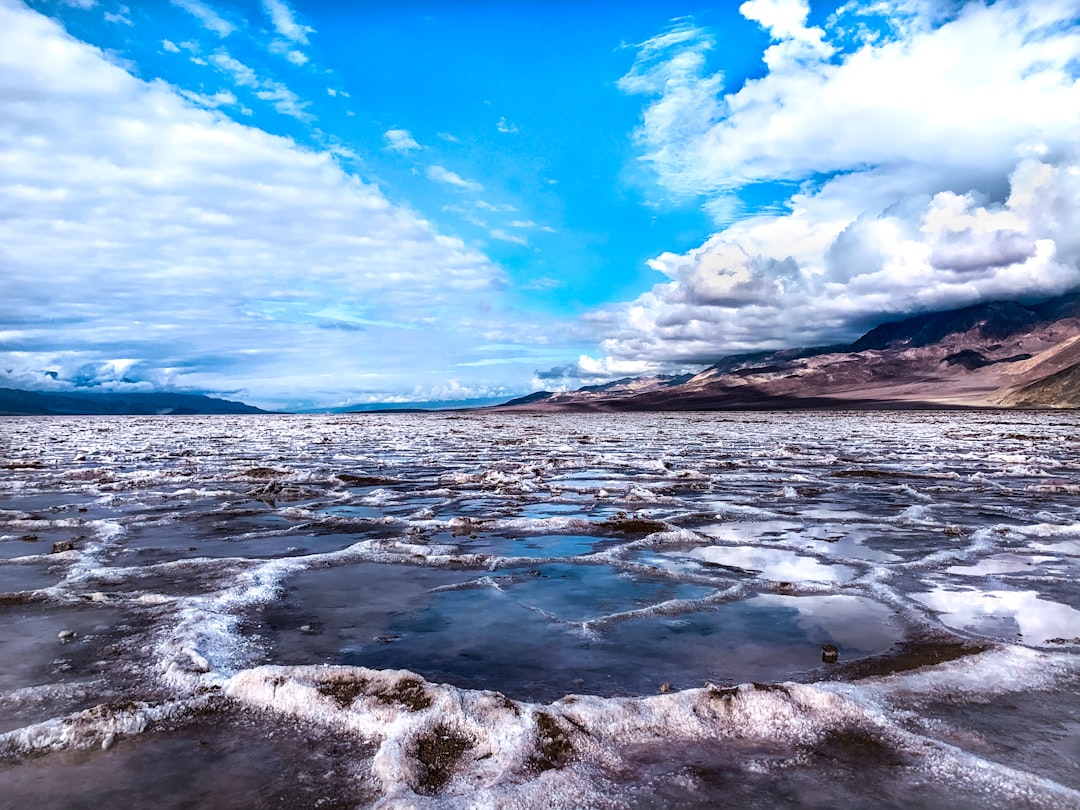

At first glance, Badwater Basin appears to be an alien landscape, an expanse of shimmering white salt flats that stretch endlessly beneath the vast, blue skies of Death Valley National Park. Located at 85 meters below sea level, this basin holds the title of the lowest point in North America, drawing visitors with its stark beauty and intriguing history.
### History and Origins The story of Badwater Basin is as fascinating as its landscape. Long before European settlers arrived, the area was inhabited by the Timbisha Shoshone tribe, who thrived in the harsh desert environment. The name 'Badwater' is attributed to the salty lake that formed here, which early pioneers found undrinkable. In 1849, a group of gold-seekers known as the Forty-Niners became lost in the region, and one member famously declared, “Goodbye, Death Valley,” as they stumbled upon this desolate area, unwittingly coining a name that would endure through time.
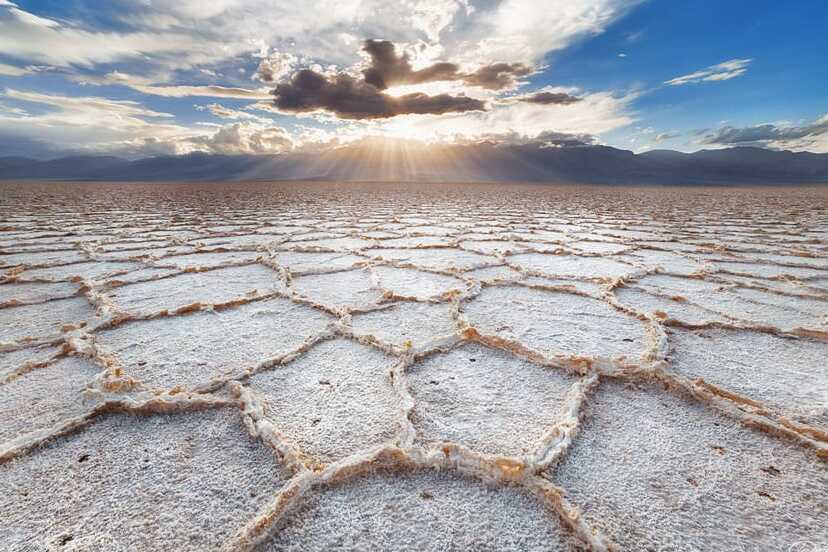
### Art and Architecture While Badwater Basin is primarily known for its natural wonders, it also showcases an extraordinary example of nature's artistry. The salt flats, formed from the evaporation of water, create intricate honeycomb-like patterns that are stunningly photogenic. This unique formation is a result of crystallization and the harsh climatic conditions of the basin. Artists and photographers flock here to capture the stark contrast between the bright white salt and the surrounding rugged mountains, particularly the Panamint Range. The visual artistry of this landscape has inspired many, earning its place in the portfolios of both amateur and professional photographers.
### Local Culture and Traditions The cultural significance of Badwater Basin extends beyond its geological features. The Timbisha Shoshone tribe continues to celebrate their heritage through various practices and storytelling, sharing the rich history of their relationship with this arid landscape. Seasonal festivals, such as the Death Valley Music Festival, also reflect the blending of cultures and the appreciation for the natural beauty surrounding the basin. Visitors may find local artisans showcasing their crafts, drawing inspiration from the land’s unique colors and textures.
### Gastronomy While Badwater Basin may not boast restaurants within its immediate vicinity, the nearby Furnace Creek offers a taste of local cuisine. Here, you might encounter dishes influenced by the region’s diverse history, such as chuckwagon-style meals reminiscent of the pioneers. Savoring a hearty meal after exploring the basin is a must; don't miss out on trying date shakes, a local favorite made from the sweet, juicy dates grown in the region. This treat reflects the agricultural history of Death Valley, where despite the harsh desert conditions, crops have flourished.
### Lesser-Known Curiosities One of the most surprising aspects of Badwater Basin is its microclimate. This area can experience extreme temperatures, reaching up to 134°F (56.7°C), which tied for the highest recorded temperature on Earth. Additionally, the basin is home to various wildlife species that have adapted to survive in this environment, including the elusive desert pupfish. These fish thrive in the salty waters and are a testament to the resilience of life in one of the harshest climates.
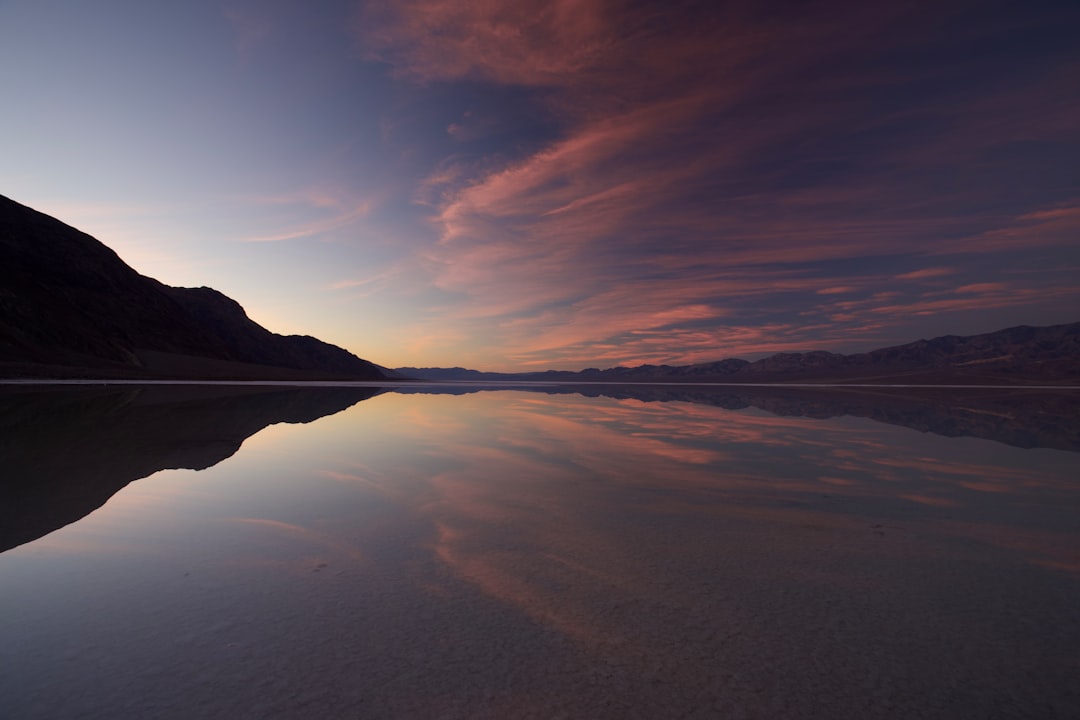
### Practical Visitor Information The best time to visit Badwater Basin is during the cooler months, from October to April. Spring and fall offer mild temperatures, making it ideal for hiking and exploring the area. Visitors should ensure they bring plenty of water, sunscreen, and proper footwear to navigate the salt flats safely. The Badwater Basin Trail, a short walk from the parking area, provides an opportunity to experience the unique landscape up close. Don’t forget your camera—sunrise and sunset offer an enchanting palette of colors reflecting off the salt crust.
As you plan your visit to this otherworldly location, consider using the Secret World app to craft a personalized itinerary that captures all the wonders of Badwater Basin and beyond.