
← Back

Bagna Cauda

Torino TO, Italia ★★★★☆ 284 views
Lina Rossi
Torino
🏆 AI Trip Planner 2026

Get the free app

Discover the best of Torino with Secret World — the AI trip planner with 1M+ destinations. Get personalized itineraries, hidden gems and local tips. Free on iOS & Android.

🧠 AI Itineraries 🎒 Trip Toolkit 🎮 KnowWhere Game 🎧 Audio Guides 📹 Videos
Download on the App Store Get it on Google Play
Scan to download Scan to download
Bagna Cauda - Torino | Secret World Trip Planner

As the crisp autumn air settles over Torino, a delightful aroma wafts through the streets, beckoning locals and visitors alike to gather around the warm embrace of a traditional dish known as Bagna Cauda. Rooted deeply in the Piedmontese culture, this sauce speaks volumes about the region's agricultural heritage and communal dining traditions.

Bagna Cauda - Torino | Secret World Trip Planner

### History and Origins The origins of Bagna Cauda can be traced back to the 16th century, a time when the region was influenced by both agricultural abundance and the culinary innovations of the House of Savoy. This dish emerged from the peasant tradition, where simple ingredients like garlic, anchovies, and olive oil were transformed into a communal feast. Historically, it was a way for families and friends to come together, particularly as the temperature began to drop, signaling the harvest season’s end.

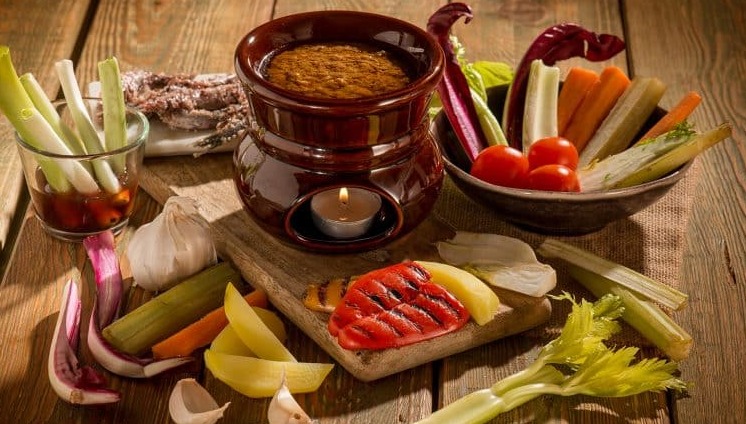
The name itself—meaning “warm bath” in Piedmontese dialect—reflects the dish's essence: a warm, inviting sauce served in a dian, a traditional terracotta pot designed to keep the sauce heated. It embodies the spirit of togetherness, a key aspect of the local culture, where meals are a celebration of shared experiences and seasonal bounty.

Bagna Cauda - Torino | Secret World Trip Planner

### Art and Architecture While Bagna Cauda itself may not be an architectural marvel, the ambiance in which it is typically enjoyed often is. Many restaurants and osterias in Torino feature rustic decor that harkens back to simpler times—wooden beams, terracotta tiles, and communal tables enhance the experience of dining on this beloved dish. Notable venues such as Trattoria Da Felice and Osteria Le Vecchie Sere embrace this aesthetic, creating a cozy setting that mirrors the warmth of the sauce itself.

### Local Culture and Traditions In Piedmont, Bagna Cauda is more than just a dish; it’s a cultural event. The Bagna Cauda Day, celebrated in late November, is a highlight of the culinary calendar. During this festival, locals and visitors alike indulge in the dish, showcasing various interpretations and ingredients. The event is often accompanied by music, dancing, and other traditional celebrations, reinforcing the dish's significance as a symbol of community and heritage.

Eating Bagna Cauda is typically a shared experience, often enjoyed with friends and family. The ritual of dipping seasonal vegetables, whether raw or cooked, creates a sense of camaraderie, as each person contributes to the meal with their preferred accompaniments. Seasonal vegetables like cardoons, Jerusalem artichokes, and steamed potatoes are staples, reflecting the region's agricultural wealth.

### Gastronomy Beyond Bagna Cauda, Torino offers a rich tapestry of culinary delights. The region is renowned for its Barolo and Barbaresco wines, which beautifully complement the robust flavors of the sauce. Additionally, Tajarin (a type of egg pasta) and Bicerin, a traditional coffee drink layered with chocolate and cream, are must-tries for any culinary enthusiast visiting the city.

Local markets, such as Mercato di Porta Palazzo, are treasure troves of fresh produce, where one can find the very vegetables that accompany Bagna Cauda. Shopping here allows visitors to immerse themselves in the local culture, interacting with vendors and learning about the ingredients that define Piedmontese cuisine.

### Lesser-known Curiosities One fascinating aspect of Bagna Cauda is its connection to the Jewish community in Torino, which played a significant role in the dish's evolution. The use of anchovies, a key ingredient, was influenced by Jewish culinary practices. Furthermore, this dish has inspired numerous adaptations, including vegetarian versions that replace anchovies with umami-rich alternatives, making it accessible to a broader audience.

Another intriguing fact is that Bagna Cauda is not just limited to winter months. While traditionally enjoyed in the colder seasons, many locals indulge in it during summer gatherings, where raw vegetables are at their freshest. This versatility showcases the dish's enduring popularity and adaptability.

### Practical Visitor Information The best time to visit Torino for an authentic Bagna Cauda experience is during the harvest season, from late September to November, when the vegetables are at their peak. To fully appreciate the dish, seek out local restaurants that serve it in the traditional manner, ideally during community events or festivals.

When visiting, consider joining a cooking class or a food tour to deepen your understanding of Piedmontese cuisine. Engaging with local chefs and learning about the sourcing of ingredients can enrich your culinary journey.

As you meander through the charming streets of Torino, take a moment to pause and savor a bowl of Bagna Cauda, allowing its robust flavors and communal spirit to envelop you.

For a more personalized experience, consider using the Secret World app to craft your own itinerary for exploring the delights of Torino.

🗺 AI Trip Planner

Plan your visit to Torino

Suggested itinerary near Bagna Cauda

MAJ+
500.000+ travelers worldwide
  1. 🌅
    Morning
    Bagna Cauda
    📍 Torino
  2. ☀️
    Afternoon
    Turin
    📍 0 km da Torino
  3. 🌆
    Evening
    Piedmontese-style tuna veal
    📍 0 km da Torino

Buy Unique Travel Experiences

Powered by Viator

See more on Viator.com

Explore nearby · Torino