

Hundreds of cacti as tall as a man grow outdoors, under the Bulgarian sun, just a few meters from the brackish water of the Black Sea. This is not a scene from a Mexican desert, but the reality of the Botanical Garden of Balchik, where one of the largest collections of cacti in Europe overlooks the sea, arranged on rocky terraces that plunge steeply towards the coast. Few gardens in the world manage to combine the grandeur of nature so naturally with the history of a queen.
It all began in 1926, when Queen Marie of Romania — granddaughter of Queen Victoria and one of the most charismatic figures in early 20th century Europe — chose this cliff in northern Bulgaria as the site of her summer residence. She had a palace built in Moorish-Oriental style and around it, she wanted a garden that reflected her eccentric and cultured personality: a woman who loved exotic plants, Mediterranean architecture, and the freedom that the sea could provide. The result was a landscape design that over time has grown to host over 3,000 plant species from all over the world.
The palace and the soul of the garden
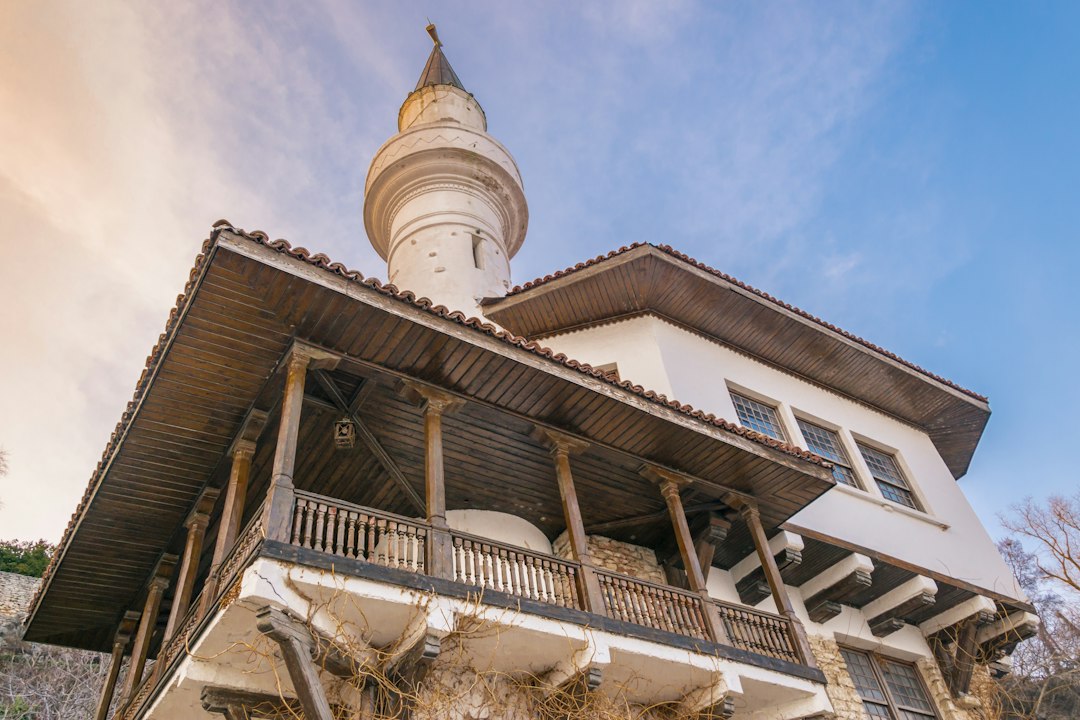
The heart of the complex is the Queen Maria's Summer Palace, a low white building with architectural elements that mix Ottoman and Mediterranean influences. Inside, there is now a museum that preserves some original furnishings and period photographs of the sovereign, allowing one to understand how much this place was a personal refuge for her, away from the rigidity of the court in Bucharest. The private chapel, small and intimate, is located not far from the palace and is one of the most photographed elements of the complex.
Walking along the stone paths that connect the terraces, one notices how each level of the garden has its own botanical identity. Some areas are dedicated to Mediterranean plants, others to tropical species cultivated in protected environments, and still others to roses, the queen's favorite flower. The vegetation is never artificially decorative: it grows with a certain exuberance that makes the garden lively and slightly wild, especially in the morning hours when the slanting sunlight enhances the contrasts between the rocks and the green.
The cactus collection: a European record
The most surprising section of the garden is undoubtedly that dedicated to cacti and succulent plants. Arranged on south-facing terraces, this collection boasts hundreds of specimens grown outdoors during the warm season, with sizes that in some cases reach considerable heights. The climatic peculiarity of Balchik — hot, dry summers and relatively mild winters compared to the Bulgarian interior — allows these plants to thrive in almost natural conditions.
Walking among these terraces with the Black Sea in the background creates an almost surreal visual effect: the spiny geometry of the cacti contrasts with the blue expanse of the water, with the city of Balchik appearing in the distance to the east. It is one of those views that remain etched in memory not for their constructed spectacularity, but for their improbable naturalness.
How to organize the visit
The garden is located about 2 kilometers from the center of Balchik, accessible on foot along the coast or by local transport or taxi. The entrance ticket is reasonably priced — generally around 5-7 Bulgarian leva for adults, although it is always advisable to check the updated rates directly on site or on the official website, as they may vary according to the season. The garden is open during the tourist season from spring to autumn.
The best time to visit is early in the morning, when the light is favorable for photography and the heat is not yet oppressive. It is advisable to allow at least two hours for a complete visit, especially if you want to explore the interior of the palace as well. It is best to avoid the weekends in July and August, when tourists from Varna and nearby resorts crowd the paths. Those coming from the city of Varna, located about 45 kilometers away, can reach Balchik by regular buses that depart from the central station.
Why the trip is worth it
The Balchik Botanical Garden is not just a park with beautiful plants. It is a place where the personal history of a queen has transformed into something public and lasting: a garden that still bears the mark of her aesthetic choices, her botanical curiosity, her love for this corner of the Bulgarian coast. Queen Maria even requested that her heart — not her body, buried in Curtea de Argeș in Romania — be kept in Balchik, in a chapel in the garden. A request that says everything about the attachment she felt for this place.
For those traveling along the Bulgarian Black Sea coast, often dominated by mass resorts and crowded beaches, this garden represents a stop that restores measure and beauty to a landscape that risks becoming anonymous. The flowered terraces, the scent of salt mixed with that of the vegetation, the relative silence of the stone paths: these are simple details, but enough to make Balchik a place worth the detour.


