



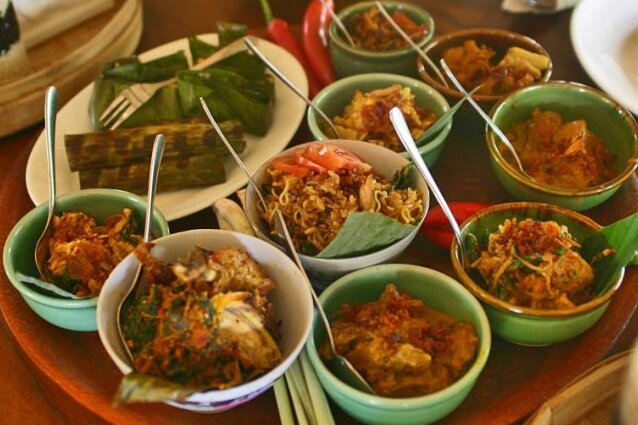
Bali, the island of gods, is not only renowned for its stunning landscapes and rich cultural tapestry but also for its vibrant culinary scene. Among the many dishes that define this paradise, nasi ayam (chicken rice) and nasi campur (mixed rice) stand out as quintessential Balinese gastronomic experiences. These dishes, served at countless warungs—the island's beloved small eateries—offer a delicious glimpse into the heart of Balinese culture and tradition.

### History and Origins The origins of nasi ayam can be traced back to the broader traditions of Indonesian cuisine, where rice is a staple food. While nasi ayam is similar to the famous Hainanese chicken rice, Bali has infused the dish with local flavors and ingredients. The Balinese have cultivated rice for thousands of years, with archaeological evidence suggesting that rice cultivation in Indonesia dates back to 2000 BC.
Nasi campur is a more contemporary evolution, showcasing the island’s culinary diversity. The dish typically features a mix of proteins, vegetables, and sambal, reflecting the multicultural influences that have shaped Bali over centuries, from Chinese traders to Dutch colonizers. Today, these dishes are celebrated not just for their taste but as symbols of Balinese hospitality.

### Art and Architecture The art and architecture of Bali are as rich and vibrant as its culinary offerings. Traditional Balinese architecture is characterized by its intricate stone carvings, ornate wooden structures, and tiered roofs. The Pura Besakih, known as the Mother Temple of Bali, is a stunning example, showcasing the island’s spiritual significance and architectural prowess.
Art is deeply intertwined with daily life in Bali, with local artisans creating beautiful works that reflect their spiritual beliefs and natural surroundings. The Barong dance, a traditional Balinese performance, often features themes of good versus evil, and is a celebration of local culture that pairs beautifully with the island’s culinary traditions.
### Local Culture and Traditions Bali’s local customs and traditions are vibrant and diverse, with ceremonies and festivals occurring throughout the year. The Nyepi Day, or Day of Silence, is one of the most significant observances, marking the Balinese New Year. During this time, the island comes to a standstill, allowing for reflection and meditation.
Festivals like Galungan and Kuningan celebrate the triumph of good over evil and honor ancestral spirits. During these occasions, families prepare special dishes, including nasi ayam and nasi campur, which are often enjoyed together in communal settings, emphasizing the importance of family and community in Balinese culture.
### Gastronomy In Bali, food is a celebration of flavors and traditions. Nasi ayam typically features succulent pieces of poached chicken served alongside fragrant white rice. It may be accompanied by a variety of side dishes, including babi guling (suckling pig) or betutu (slow-cooked spiced chicken), depending on the eatery.
Nasi campur, on the other hand, is a colorful plate that includes rice served with an assortment of meats, vegetables, and sambal matah—a raw sambal made with shallots, lemongrass, and chili, providing a fresh, spicy kick. A bowl of soup is often included, enhancing the meal’s comforting nature. For those who prefer milder flavors, asking for the dish without sambal is an easy option.
### Lesser-Known Curiosities While many tourists flock to the famous beaches and temples, they often miss the hidden gems of Balinese gastronomy. For instance, many warungs offer a unique twist on nasi campur by incorporating seasonal ingredients, such as local vegetables and herbs, which change throughout the year. Additionally, the art of preparing sambal is often passed down through generations, with each family having their own secret recipe that adds a personal touch to their dishes.
### Practical Visitor Information The best time to visit Bali is during the dry season, from April to October, when the weather is pleasant and conducive to exploring the island's many offerings. When in Bali, don’t hesitate to venture beyond the tourist hotspots; seek out local warungs where you can enjoy authentic dishes in a relaxed atmosphere.
Be sure to indulge in nasi ayam and nasi campur from different eateries to experience the variations in flavors and presentations. Engaging with local chefs and asking about the ingredients can also enhance your culinary adventure.
Whether you're watching the sun set over Tanah Lot or participating in a vibrant Balinese festival, the rich tapestry of Bali’s culture is sure to leave you enchanted.
As you explore this island paradise, consider using the Secret World app to craft a personalized itinerary that uncovers the hidden treasures of Bali’s culinary and cultural landscape.
