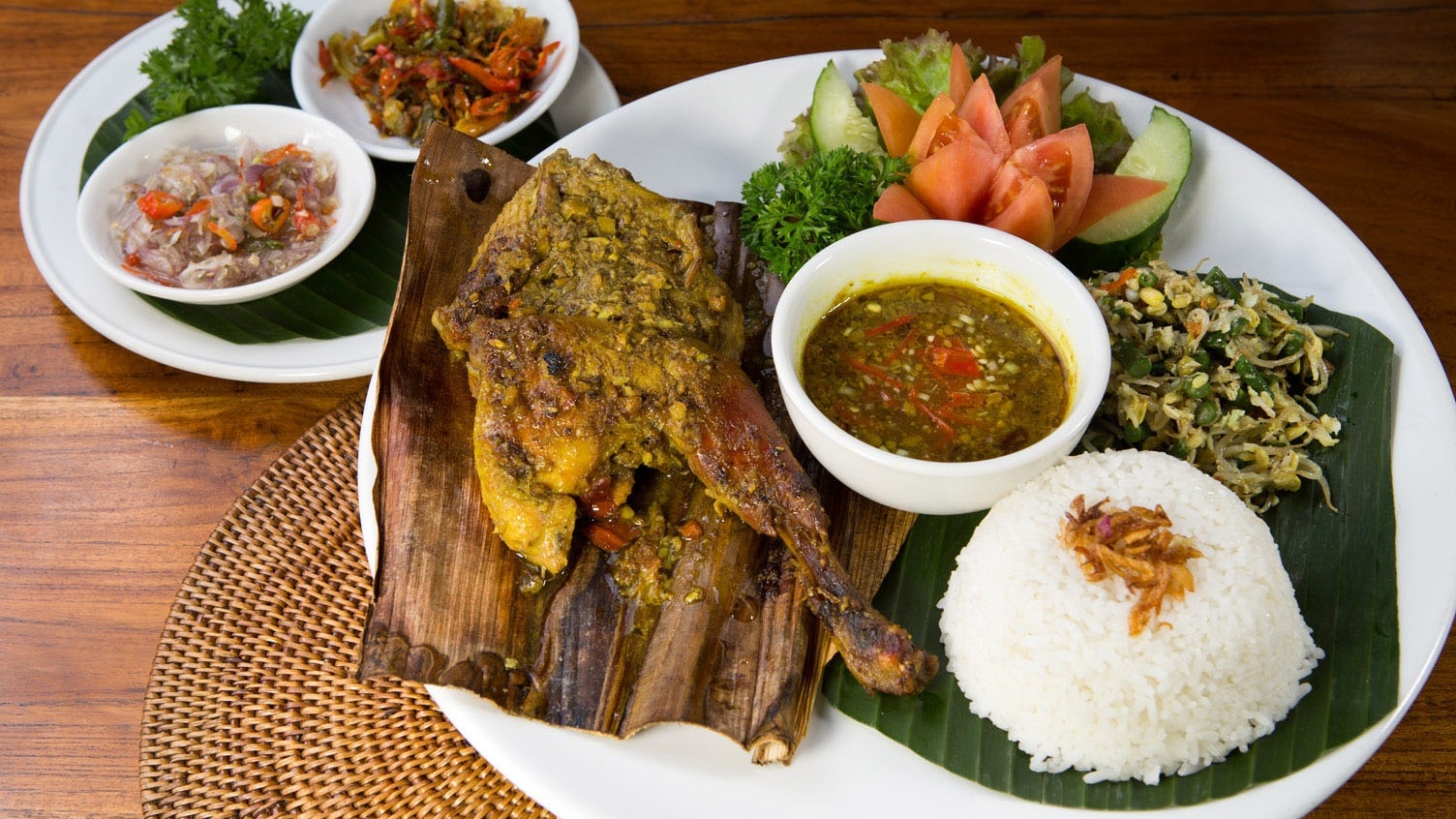


Bali, a tropical paradise in Indonesia, is known not just for its stunning landscapes and serene temples, but also for its rich tapestry of culinary traditions. Among the many local dishes, Betutu stands out as an iconic Balinese favourite that encapsulates the essence of the island’s culture and history.
### History and Origins The origins of Betutu can be traced back to ancient times when Balinese communities utilized local ingredients and spices for sustenance and ceremonial offerings. Traditionally, it was prepared for significant events such as sacrifices, weddings, and holiday celebrations. The dish itself is a manifestation of the Balinese philosophy of Tri Hita Karana, which emphasizes harmony among people, nature, and the divine. This connection to spirituality is evident in how food is treated as sacred, particularly during rituals.
During the Majapahit Empire (1293-1527 AD), the culinary practices of the island flourished, influenced by trade with China, India, and the Middle East. Ingredients such as turmeric, ginger, and lemongrass became staples, and their use in dishes like Betutu reflects a blend of cultural influences that have persisted through the centuries.
### Art and Architecture While Betutu is primarily a dish, its preparation reflects the artistry inherent in Balinese culture. The act of wrapping the chicken or duck in banana leaves and banana trunk bark is akin to a delicate art form. Each layer serves a purpose; the banana leaves infuse the meat with aroma while keeping it moist, and the trunk bark ensures an even cooking process, akin to the precision seen in Balinese architecture.
Speaking of architecture, the island is dotted with temples and royal palaces that showcase intricate carvings and vibrant sculptures, reflecting the island’s rich artistic heritage. The Uluwatu Temple and Tirta Empul Temple are prime examples where craftsmanship meets spirituality, much like the rituals surrounding Betutu.
### Local Culture and Traditions Food in Bali is not merely about sustenance; it is interwoven with the island's cultural fabric. Betutu is often served during ceremonies and family gatherings, emphasizing its role as a communal dish. The preparation itself can be a communal activity, with family members coming together to blend the spices and prepare the meat.
Festivals such as Galungan and Kuningan celebrate the triumph of good over evil, and traditional dishes like Betutu feature prominently during these events. The festival atmosphere, filled with offerings, prayers, and vibrant decorations, is a testament to the Balinese commitment to preserving their cultural identity.
### Gastronomy Beyond Betutu, Bali boasts a rich gastronomic landscape. Other local dishes include Nasi Campur, a mix of rice, vegetables, and meats, and Sate Lilit, a minced meat satay wrapped around bamboo sticks. Traditional drinks like Brem, a fermented rice beverage, and Jamu, a herbal tonic, enrich the dining experience, offering a taste of the island’s natural bounty.
### Lesser-Known Curiosities While many tourists flock to popular spots, there are hidden gems related to Betutu that often go unnoticed. For instance, the tradition of cooking Betutu in a buried pit is not only about the flavor but also about the communal aspect of meals. This method fosters a sense of togetherness as families and friends gather around the pit to share stories while waiting for the meal.
Moreover, Betutu is sometimes prepared with a twist; you can find variations using fish or even vegetarian options that incorporate local vegetables and spices, showcasing the dish's adaptability.
### Practical Visitor Information The best time to experience Betutu is during the dry season, which runs from April to September, offering ideal weather for outdoor dining and cultural festivities. Visitors should look for local markets, especially in cities like Ubud and Seminyak, where they can enjoy authentic dishes prepared by local chefs.
When dining, ask about the preparation methods; many restaurants offer the chance to see how Betutu is made, providing an immersive experience that connects food with culture.
### Conclusion Bali is a culinary paradise, and Betutu is its crown jewel, revealing the island’s rich history, artistic expression, and cultural significance. Whether you’re savoring this delicacy at a local warung or witnessing its preparation during a festive occasion, Betutu offers a taste of Bali's soul. For a personalized itinerary to explore the island's culinary delights, consider using the Secret World app to enhance your journey.