



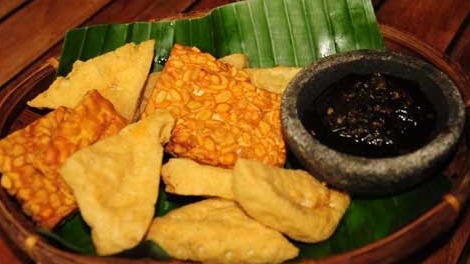
Exploring the vibrant world of tahu (tofu) and tempe in Bali, Indonesia, reveals not only a culinary delight but also a rich tapestry of culture, history, and local traditions.

Nestled in the heart of Indonesia, Bali is renowned for its breathtaking landscapes, vibrant arts, and rich cultural heritage. Yet, one of its most versatile culinary treasures remains somewhat understated: tahu and tempe. These soy-based proteins have a history that dates back centuries and continue to be a staple in Balinese cuisine, celebrated for both their nutritional value and adaptability in various dishes.
### History and Origins The origins of tahu and tempe can be traced back to ancient China, where tofu was believed to be invented around 2000 years ago. It made its way to Indonesia through trade routes, evolving into tempe, a fermented soy product, in the 19th century. Tempe's invention is often credited to the Javanese, and it quickly became a staple protein source, particularly for the island's growing population.

By the 20th century, both tahu and tempe had solidified their roles in traditional Indonesian cuisine, particularly in Bali, where they became integral to daily meals and ceremonial offerings. Today, they symbolize resilience and adaptability, embodying the spirit of Indonesian culinary innovation.
### Art and Architecture While tahu and tempe may not be directly linked to architectural styles, they are often featured in the local art of food presentation, showcasing Bali's intricate craftsmanship. Traditional Balinese cuisine is characterized by vibrant colors and textures, often displayed in beautifully arranged dishes during ceremonies.
Notable artworks, such as Wayang Kulit (shadow puppetry), often incorporate themes of agriculture and food, portraying the importance of soy products in local rituals. The art of food in Bali transcends mere sustenance; it is a celebration of life and spirituality, deeply rooted in the island's artistic traditions.
### Local Culture and Traditions Bali is a melting pot of customs and festivals that reflect its rich cultural tapestry. The island is famous for its Nyepi Day, a day of silence where the locals refrain from work and even light, symbolizing self-reflection and renewal. Tahu and tempe often feature in ceremonial offerings made to the gods, signifying gratitude for sustenance.
During local festivals, such as Galungan and Kuningan, families prepare elaborate feasts that prominently feature these soy products. They are often fried, grilled, or served in rich sauces, highlighting their versatility and significance in Balinese culture.
### Gastronomy In Bali, the culinary landscape is rich and varied, with tahu and tempe serving as key ingredients in countless dishes. Tahu may be found in a variety of preparations, from crispy fried tofu served with spicy sambal to stuffed versions filled with vegetables and spices, resembling spring rolls.
Tempe is often served as a crunchy side dish, incorporated into gado-gado (a vegetable salad with peanut sauce), or marinated and grilled to perfection. One of the most beloved snacks is tempe mendoan, where thin slices of tempe are lightly battered and fried until crispy, often enjoyed with a side of soy sauce.
### Lesser-Known Curiosities While many tourists flock to Bali's beaches and temples, the story of tahu and tempe holds hidden gems. Did you know that tempe was one of the first fermented foods to gain international acclaim as a health food due to its probiotic properties? Moreover, the process of making tempe is an art in itself; traditional methods use banana leaves as natural wrapping, imparting a unique flavor.
Another curiosity is the existence of tempe chips. These crunchy snacks, often seasoned with local spices, are a popular choice among locals and tourists alike, offering a delightful twist on traditional potato chips.
### Practical Visitor Information The best time to visit Bali for culinary exploration is during the dry season, from April to October. This period allows for vibrant local markets and food festivals, where you can sample the best of Balinese cuisine.
When in Bali, seek out local warungs (small family-owned restaurants) that specialize in traditional dishes featuring tahu and tempe. Engage with local chefs and ask about their unique preparations; many are eager to share stories and recipes.
Remember to also explore local markets, where fresh ingredients and artisanal soy products are available. Take the opportunity to try your hand at cooking; many cooking classes are available, providing a hands-on experience with these versatile ingredients.
Bali's culinary world, rich with the flavors of tahu and tempe, invites you to discover a deeper connection to the island's culture and traditions. Using the Secret World app can help you plan a personalized itinerary to explore the culinary delights of Bali.
