
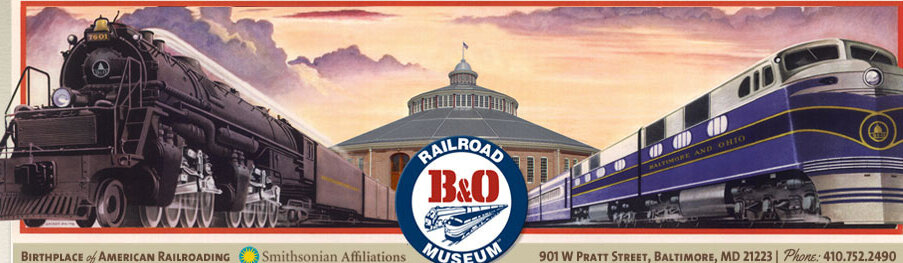

Nestled in the heart of Baltimore, the Baltimore and Ohio Railroad Museum is more than just a museum; it’s a tribute to America’s rich railway heritage. Established on the site of the nation’s first railway depot and station, this remarkable venue offers an immersive experience for history buffs, families, and anyone with a love for locomotives.
The museum’s roots trace back to the founding of the Baltimore and Ohio Railroad (B&O) in 1827. This pioneering railway was the first in the United States, designed to connect the bustling port of Baltimore with the Ohio River, facilitating trade and transportation. The original station, built in 1829, served as a gateway for countless travelers and goods. Over the decades, the B&O played a critical role in the nation’s development, especially during the Civil War and the industrial boom of the late 19th century.
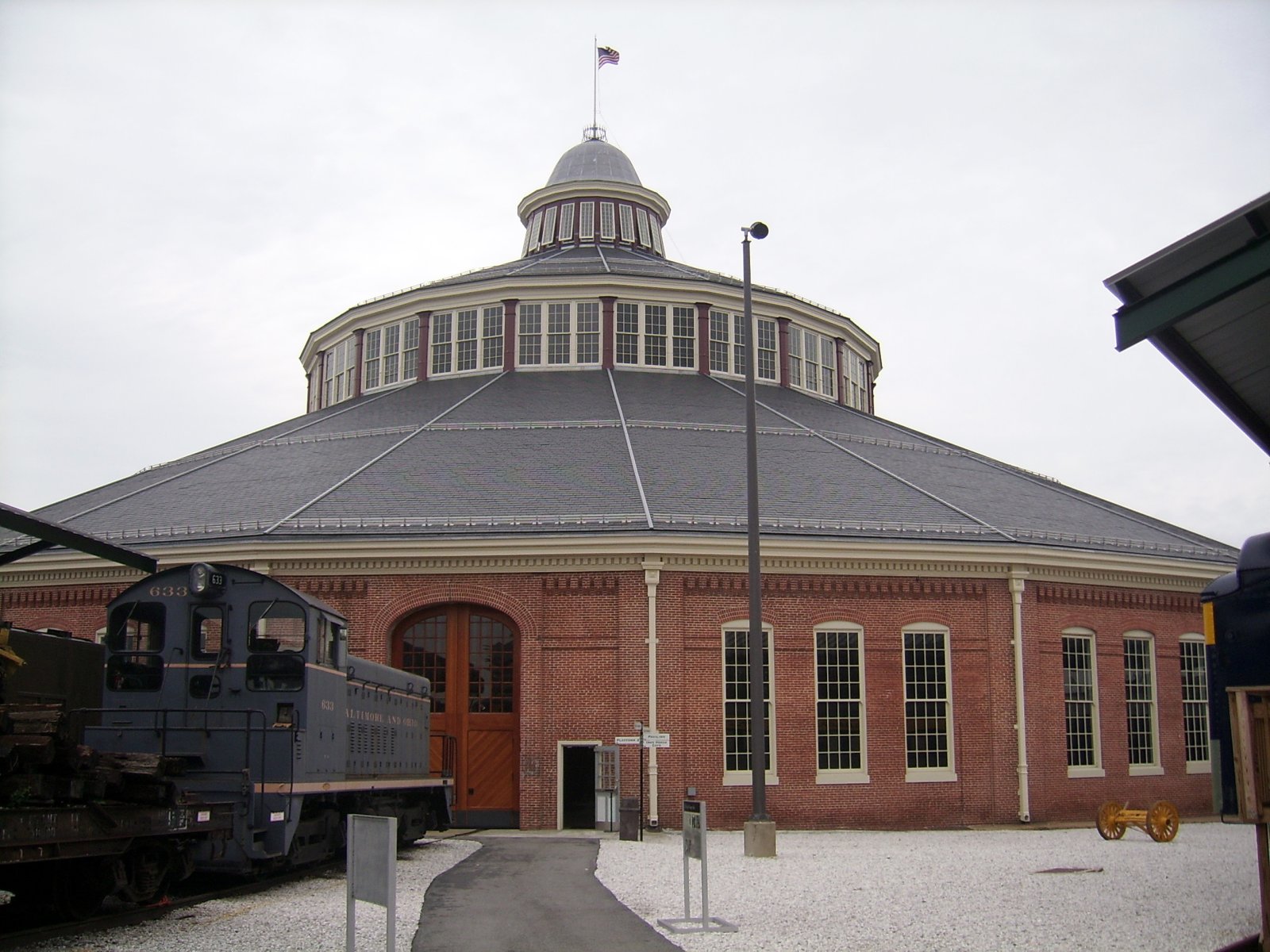
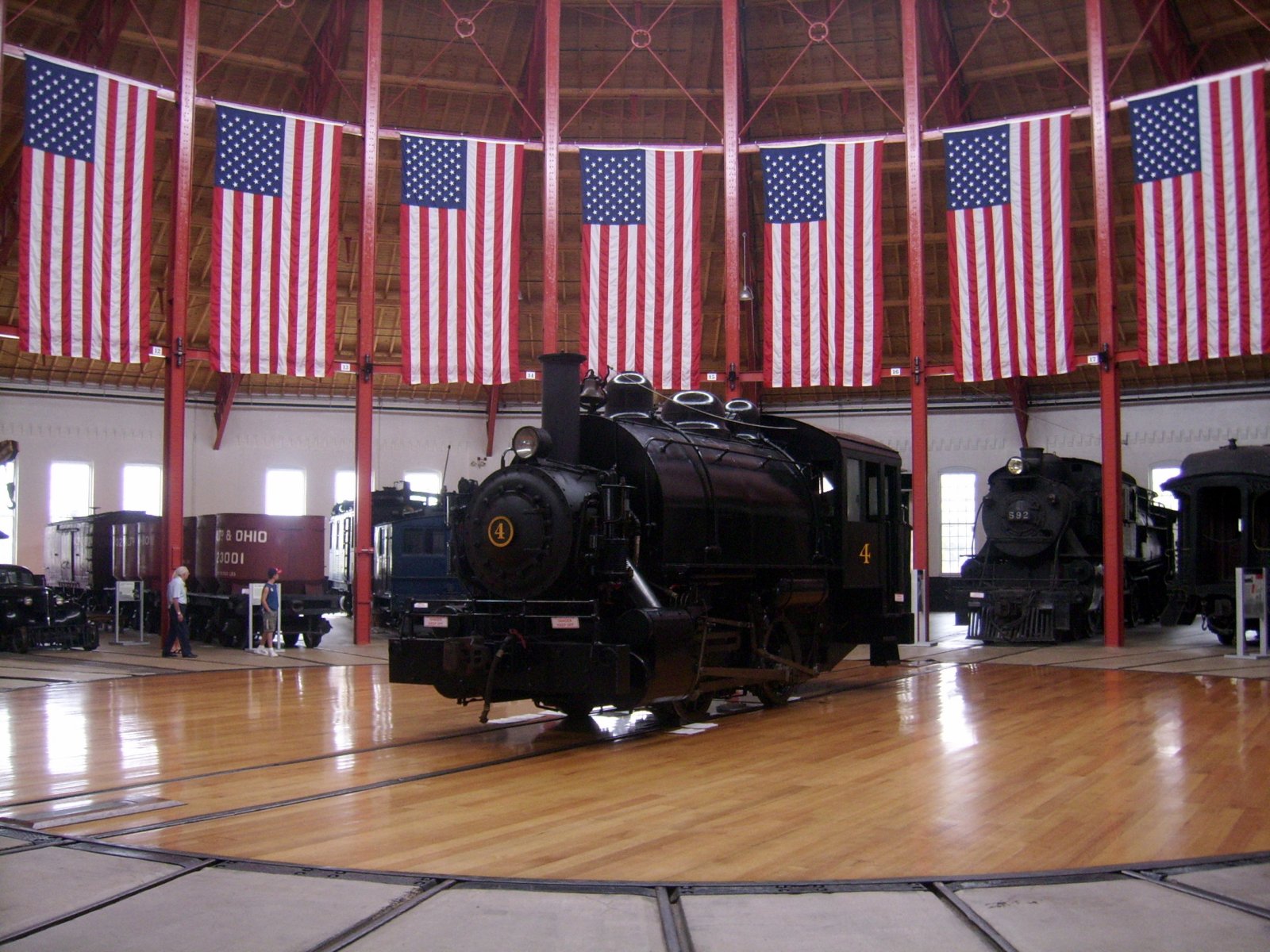
Architecturally, the museum showcases a blend of Victorian and modern styles. One of its most striking features is the Roundhouse, built in 1884, which was once the hub for servicing locomotives. Today, this circular structure houses a stunning collection of historic trains, including the famed J-1e locomotive and several classic passenger cars. The design of the Roundhouse itself is a marvel, with its high, vaulted ceilings and intricate ironwork that reflect the engineering prowess of the era.
Artistic significance isn’t just limited to the trains. The museum boasts a collection of railroad china and silverware that tells the story of dining on the rails. Each piece is a snapshot of the Gilded Age, representing the luxurious experience of train travel when it was the primary means of long-distance transportation. The artistry in the design of these items showcases the cultural importance placed on the dining experience aboard trains.
In terms of local culture, the Baltimore and Ohio Railroad Museum offers a glimpse into the traditions that shaped the region. The annual B&O Railroad Festival, typically held in the fall, celebrates the history of the railway with activities for all ages, including train rides, live music, and historical reenactments. It’s a time for the community to come together and pay homage to the vital role that railroads played in shaping Baltimore’s identity.
When it comes to gastronomy, the influence of the railroads extends into local cuisine. Travelers in the 19th century often enjoyed meals on trains that featured Maryland crab cakes and Pit Beef sandwiches, both of which are now local staples. The connection to rail travel is evident in the popularity of steam beer, a style of beer that gained traction among railroad workers during the late 1800s, and can still be found in local breweries today.
For those eager to dig deeper, the museum holds lesser-known curiosities that many visitors might overlook. For instance, it houses the President's Car, which once transported U.S. Presidents, including Abraham Lincoln, who famously took a train to his second inauguration. Additionally, the museum's archives contain a wealth of documents and photographs that detail the evolution of rail travel—each telling a unique story of the impact of railroads on American society.
Visitors will find that the best time to explore the museum is during the spring and summer months, when the outdoor miniature steam locomotive rides operate from April to December on Thursdays through Sundays. This experience allows guests of all ages to feel the thrill of a steam-powered voyage, harkening back to the golden age of rail travel.
To get the most out of your visit, arrive early to enjoy the full range of exhibits, and don’t miss the chance to chat with the knowledgeable staff, who are often eager to share stories and insights. Be sure to take a stroll through the surrounding Patterson Park, where you can relax and enjoy the local scenery after your museum visit.
In conclusion, the Baltimore and Ohio Railroad Museum is not just a showcase of trains; it’s a portal into a transformative era in American history. With its rich collection and engaging activities, it draws in visitors interested in the intersection of technology, culture, and community. For a personalized experience, consider planning your visit using the Secret World app to navigate the fascinating history of Baltimore.


