
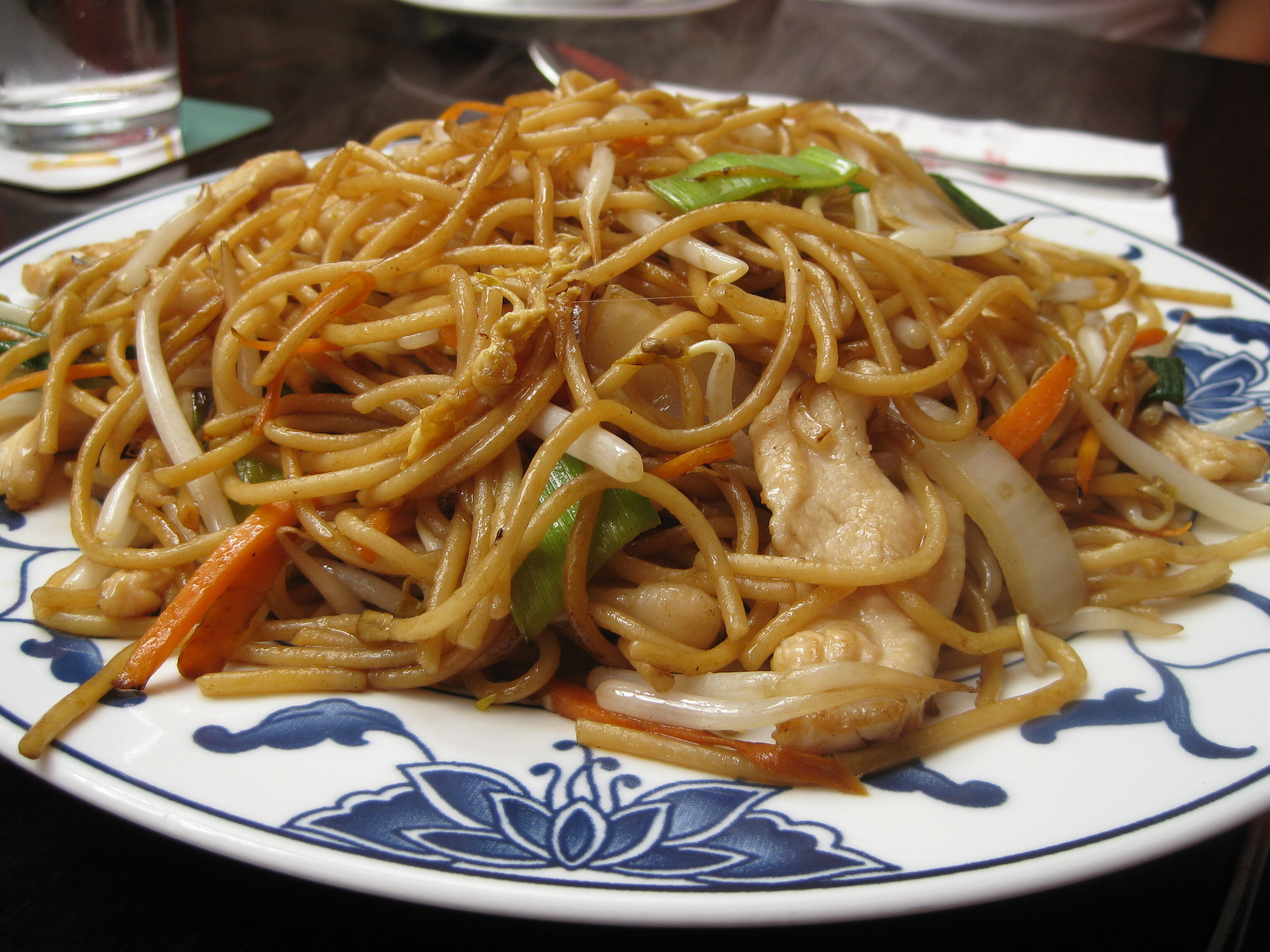

Nestled in the heart of the Netherlands, Bami Goreng is more than just a dish; it’s a culinary testament to the intertwined histories of two nations. This beloved Indonesian stir-fried noodle dish, featuring a delightful mix of egg noodles, garlic, vegetables, and meat, has become a staple in Dutch cuisine, reflecting the rich colonial legacy that shaped both cultures.
History and Origins The roots of Bami Goreng can be traced back to the 17th century when the Netherlands emerged as a formidable colonial power, dominating the world’s spice trade. The Dutch East India Company (VOC), established in 1602, was instrumental in this venture, facilitating trade with the East Indies, primarily what is now Indonesia. As the VOC flourished, so did the introduction of Indonesian spices and culinary traditions into Dutch society.
By the 19th century, however, the VOC dissolved, and Indonesia became a Dutch colony. This colonial relationship profoundly influenced the Dutch palate, leading to the assimilation of Indonesian dishes into everyday Dutch cuisine. Today, Bami Goreng stands as a delicious symbol of this historical connection, found in nearly every Indonesian restaurant across the Netherlands.
Art and Architecture While Bami Goreng may not directly relate to traditional art and architecture, the spirit of Indonesian culture can be felt throughout the Netherlands in the architecture of Indonesian restaurants. Many feature a fusion of Dutch and Indonesian styles, with warm wooden interiors, intricate carvings, and rich textiles reminiscent of Indonesian heritage. Notable establishments, such as Indonesisch Restaurant Blauw in Amsterdam, not only serve exquisite food but also showcase Indonesian artwork, textiles, and cultural artifacts, creating an immersive dining experience.
Local Culture and Traditions In the Netherlands, the influence of Indonesian culture extends beyond gastronomy. Traditional festivals like Hari Raya Puasa and Sinterklaas are celebrated with a blend of Dutch and Indonesian customs, often featuring dishes like Bami Goreng and Rijsttafel (rice table)—a sumptuous feast that includes a variety of small, spiced dishes. The presence of the Indonesian community in the Netherlands has helped preserve these traditions, ensuring that they thrive in contemporary Dutch society.
Gastronomy Bami Goreng is undoubtedly the star of the show, but the culinary landscape of the Netherlands offers much more. Rendang, a flavorful meat dish simmered in coconut milk and spices, and Soto, a fragrant soup often enjoyed with rice, are also popular. For dessert, don’t miss out on Spekkoek, a rich layered cake infused with spices that hints at the Dutch love for both sweet and savory flavors.
Restaurants specializing in Indonesian cuisine often ensure that the dining experience is a celebration of flavors, aromas, and textures. Many establishments encourage sharing dishes family-style, inviting diners to sample a diverse array of culinary masterpieces.
Lesser-known Curiosities While many tourists flock to well-known Indonesian restaurants, there are hidden gems that offer a more authentic experience. For instance, the community of Patiënten in The Hague is home to a vibrant Indonesian market, where you can find exotic spices, traditional snacks, and ingredients essential for preparing Indonesian dishes at home. Additionally, many Dutch families have their own secret Bami Goreng recipes, passed down through generations, often varying in ingredients and preparation methods, making each version unique.
Practical Visitor Information The best time to explore Indonesian cuisine in the Netherlands is during the summer months, when outdoor festivals and food markets feature a variety of Indonesian dishes. King's Day (April 27) is also a vibrant celebration where you can find street vendors offering delicious Indonesian fare.
When visiting, look out for local festivals that celebrate Indonesian culture, and don’t hesitate to explore beyond the typical tourist spots. Engage with locals, ask for recommendations, and be open to trying new dishes.
Whether you’re savoring a plate of Bami Goreng in a bustling restaurant or exploring the markets, the flavors of Indonesia are a delightful reminder of the historical ties that bind these two cultures.
For a truly immersive experience, consider using the Secret World app to create a personalized itinerary that highlights the best culinary spots in the Netherlands.


