
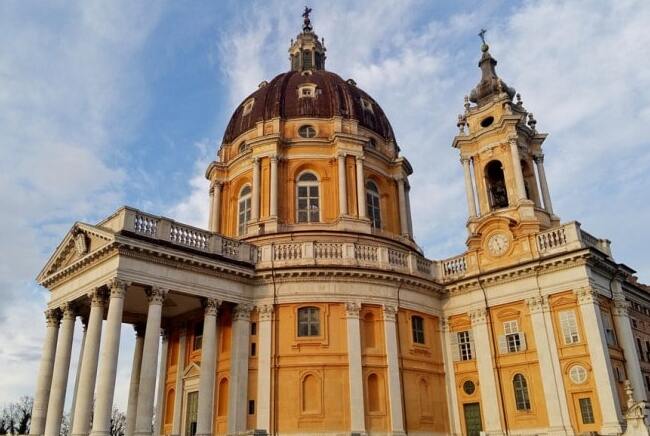

Perched majestically atop the Superga Hill, the Basilica di Superga stands as a testament to both divine inspiration and human ingenuity, offering breathtaking views over the sprawling city of Turin. Designed by the illustrious architect Filippo Juvarra, this baroque masterpiece is not just a symbol of architectural grandeur but also a beacon of rich historical narratives and cultural significance.

The origins of the Basilica trace back to a vow made by Victor Amadeus II, Duke of Savoy, in 1706. Amidst the War of the Spanish Succession, with Turin under siege by French forces, the Duke ascended the hill seeking divine intervention. He vowed to build a magnificent church dedicated to the Virgin Mary if his city was spared. The subsequent victory led to the commissioning of Juvarra in 1717, and by 1731, this architectural marvel was completed, embodying both gratitude and the Baroque style's zenith.
The Basilica di Superga showcases Juvarra's genius through its grand dome and twin bell towers, drawing inspiration from the grandeur of St. Peter’s Basilica in Rome. The interior is a feast for the eyes, adorned with exquisite frescoes and sculptures. Particularly noteworthy is the high altar, a stunning work of art crafted from polychrome marble. Visitors can also admire the royal tombs of the House of Savoy, resting in the crypt beneath the Basilica, providing a solemn reminder of Italy's regal past.

Beyond its architectural allure, the Basilica is deeply woven into the cultural fabric of the region. Every year, on November 1st, a solemn mass commemorates the tragic Superga air disaster of 1949, which claimed the lives of the Grande Torino football team. This annual event reflects the community's enduring respect and remembrance for those who perished.
While the Basilica itself is a focal point, the surrounding area is steeped in local traditions. The Superga Hill becomes a canvas for various cultural and religious festivals, offering a glimpse into the local way of life. The Festa della Madonna della Neve in August is a testament to the region's vibrant religious customs, drawing locals and visitors to its lively processions and celebrations.
No visit to the Basilica would be complete without indulging in the local gastronomy. Turin and its surrounding region boast a rich culinary heritage. Visitors should savor bagna càuda, a warm dip made from garlic, anchovies, and olive oil, perfect for the cooler months. Pair it with a glass of Barbera d'Alba, a robust red wine from the nearby hills. For those with a sweet tooth, the gianduiotto, a chocolate delicacy native to Turin, offers a delightful end to any meal.
Amidst the grandeur of the Basilica, there are lesser-known curiosities that intrigue keen explorers. The Basilica houses a centuries-old pendulum clock, a marvel of engineering designed to keep precise time, reflecting the era's fascination with scientific advancements. Furthermore, the crypt's cool, dim chambers whisper secrets of the past, including tales of royal intrigue and mystery.
For those planning a visit, the best time to experience the Basilica's splendor is during the spring or autumn months. The hill is awash with color, and the mild weather makes for comfortable exploration. To avoid crowds, early morning visits allow for a more intimate experience with the Basilica’s serene beauty. The panoramic terrace is a must-see, offering an unparalleled view of Turin framed by the distant Alps. Remember to wear comfortable shoes, as the path up the hill can be steep and uneven.
The Basilica di Superga is more than a religious site; it is a living chronicle of history, art, and culture. Each stone, each fresco, and each festival tells a story, inviting visitors to not only witness its beauty but also to connect with the soul of Turin. As you stand on the terrace, with the city sprawling below and the mountains soaring above, you truly feel the harmony of human achievement and natural splendor.


