



With its dramatic cliffs and surging tides, the Bay of Fundy is a geological marvel that captivates all who visit. Nestled between the provinces of New Brunswick and Nova Scotia in Canada, this natural wonder invites explorers to witness the highest tides on earth and the delicate ballet of some of the world's rarest whales.
The history of the Bay of Fundy is as deep as its waters. The bay's formation dates back over 200 million years, during the breakup of the supercontinent Pangaea. This ancient landscape has since been shaped by the relentless forces of nature, a dynamic that continues to fascinate geologists. Indigenous peoples, including the Mi'kmaq and Maliseet, were the first to inhabit this region, relying on the bay's rich waters for sustenance. European exploration began in the early 1600s with the arrival of French settlers, who established the region as part of the colony of Acadia. The bay's tumultuous history includes the Expulsion of the Acadians in 1755, a pivotal event that scattered these early settlers and left a lasting cultural imprint on the area.
Architecturally, the Bay of Fundy region is less about grand edifices and more about the subtle integration of human-made structures with the natural environment. Quaint fishing villages like Alma and Saint Andrews boast charming wooden homes and historic lighthouses that stand as sentinels against the powerful tides. These structures, primarily built in the 19th century, reflect a practical style influenced by the maritime climate, designed to withstand the harsh winds and saltwater spray.
Culturally, the Bay of Fundy is a tapestry woven from the threads of its diverse heritage. The Acadian Festival in Clare, Nova Scotia, celebrates the vibrant Acadian culture with music, dance, and traditional foods. In Saint John, New Brunswick, the Fundy Fringe Festival showcases contemporary arts, bringing together performers from across the globe. These events highlight the region's commitment to preserving its cultural roots while embracing new artistic expressions.
Gastronomy in the Bay of Fundy offers a feast for the senses, firmly rooted in the bounty of the sea. The bay is renowned for its seafood, particularly lobster, which is celebrated in numerous local dishes. Dulse, a red seaweed harvested along the coast, is a unique local delicacy often enjoyed dried as a snack or incorporated into soups and salads. For a sweet treat, visitors can sample haskap berries, a tart fruit native to the region, often used in jams and desserts.
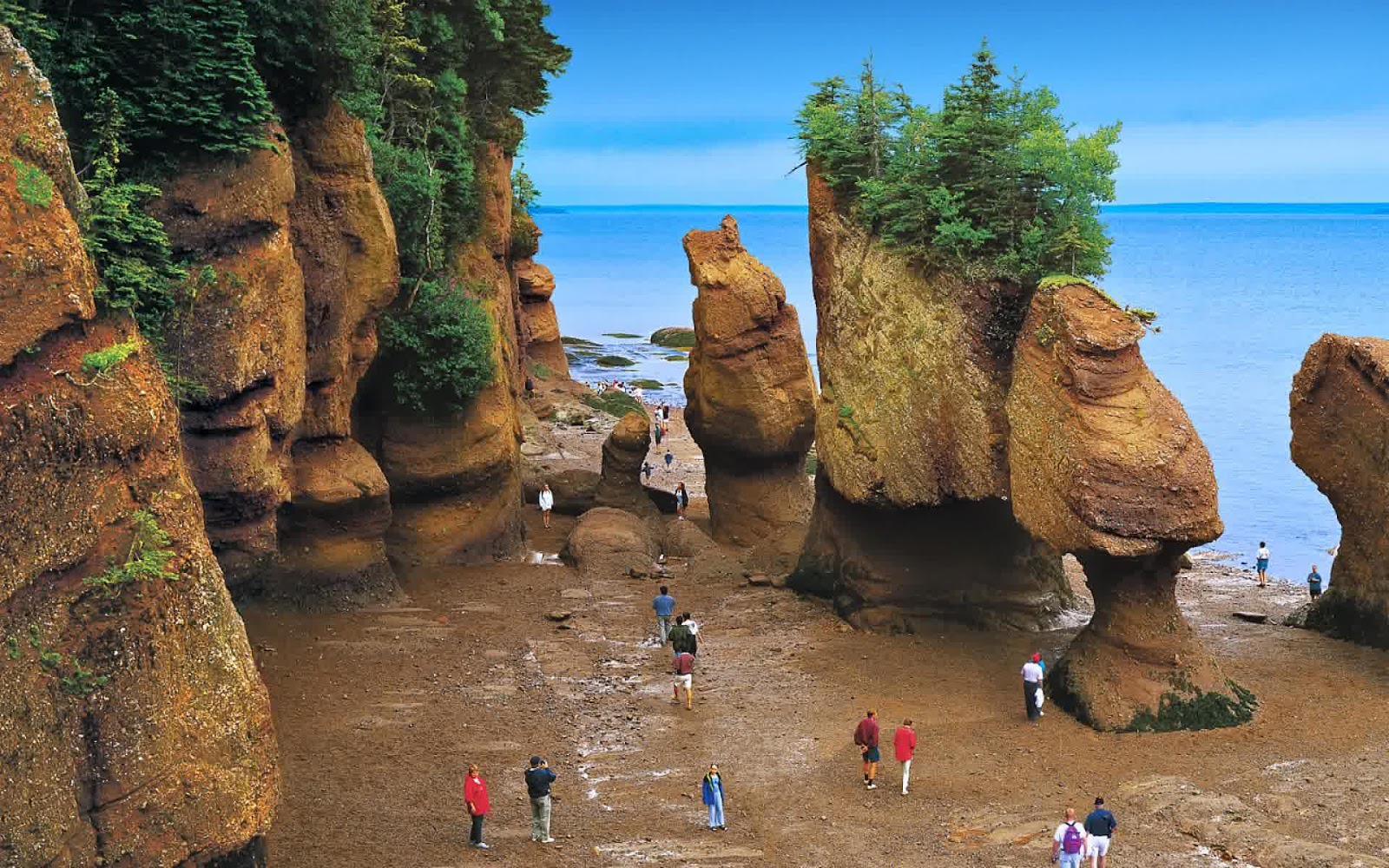
For those drawn to the lesser-known aspects of the Bay of Fundy, the Reversing Falls in Saint John provide a fascinating spectacle where the river's flow is reversed by the powerful tides. Another hidden gem is the Hopewell Rocks, where visitors can walk on the ocean floor at low tide, marveling at the towering flowerpot formations carved by the relentless sea. Few realize that the bay is also a hotspot for paleontologists; the cliffs near Joggins, Nova Scotia have yielded fossils dating back to the Carboniferous Period, offering a glimpse into a prehistoric world.
Practical information for visitors is key to fully experiencing the Bay of Fundy. The best time to visit is from late spring to early fall when the weather is mild, and the natural beauty is at its peak. Tides change every six hours, so planning your visit around these times is crucial to witness their full impact. Whale-watching tours typically run from June to October, offering a chance to see humpback, minke, and the elusive North Atlantic right whales. For a truly immersive experience, consider exploring the bay by kayak or taking a guided tour to learn about its unique ecosystem.
The Bay of Fundy is more than just a geographical feature; it is a living testament to the power of nature and the resilience of its people. Whether you're drawn by the promise of adventure, the allure of history, or the simple pleasure of a fresh seafood feast, this captivating region promises a journey unlike any other.
