
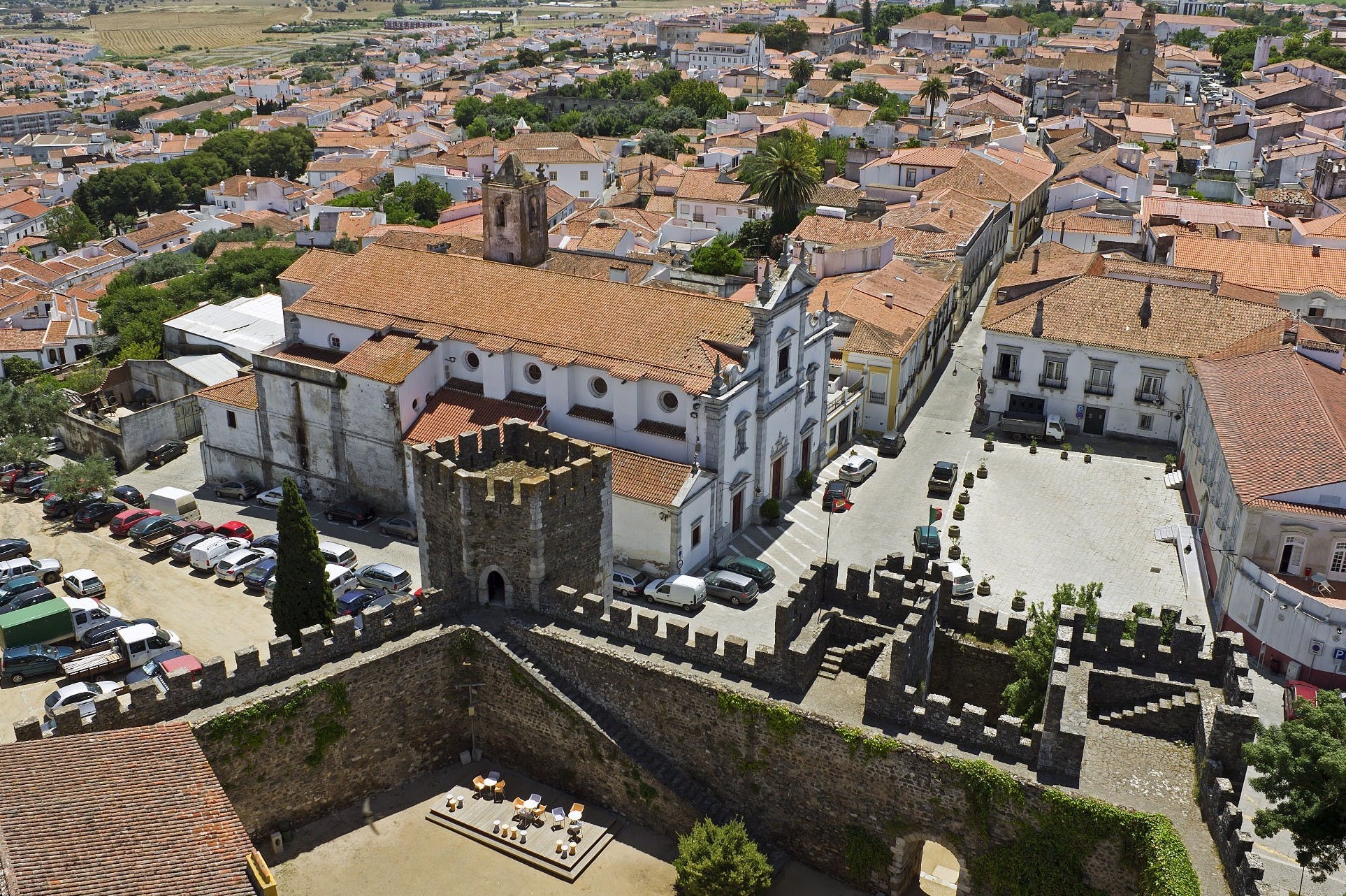

Nestled in the heart of the Alentejo region, Beja is a city steeped in history, where ancient walls whisper tales of battles and peaceful coexistence. As you approach the Castelo de Beja, the stunning Torre de Menagem rises majestically at 40 meters, a sentinel watching over the landscape since the days of the Reconquista. This tower, made of gleaming marble, played a pivotal role in defending Portugal's borders against the Moors, standing as an emblem of resilience and strength.
Beja's history dates back to the Roman era, when it was known as Pax Julia, named after Emperor Augustus. The city thrived under Roman rule, evidenced by ruins scattered throughout the area, including remnants of a Roman forum. However, it was during the Middle Ages that Beja truly flourished, becoming a strategic stronghold with the construction of its castle in the 13th century. Notable historical events include the 1258 Treaty of Badajoz, which defined the borders between Portugal and Castile, showcasing Beja’s significance in shaping the nation’s history.
As you navigate the lanes surrounding the castle, the architectural richness of Beja unfolds. The Torre de Menagem itself boasts a mix of Gothic and Moorish influences, and its ascent rewards visitors with breathtaking views of the surrounding Alentejo plains. Nearby, the Igreja de Santiago features an intricately carved altarpiece that reflects the Manueline style, a unique Portuguese Gothic architecture known for its maritime motifs. The Sé de Beja, the city's cathedral, is another architectural gem, showcasing a blend of Romanesque and Gothic elements, with its impressive portal and beautiful interior detailing.
Culturally, Beja thrives with a rich tapestry of local customs and traditions. The Festas de São Sebastião, celebrated in January, is a vibrant festival that draws locals and visitors alike, featuring colorful processions, traditional music, and culinary delights. The city also hosts the Beja Agricultural Fair, a celebration of rural life that takes place every September, highlighting the region's agricultural heritage and fostering a sense of community through food, art, and music.
Speaking of food, Beja is a haven for gastronomes. The local cuisine is characterized by hearty dishes that reflect the agricultural bounty of the Alentejo. Signature dishes include Migas—a savory dish made of bread, garlic, and olive oil, often served with meat or fish—and Açorda, a delicious bread soup flavored with herbs and spices. You cannot visit without trying the Queijo de Serpa, a creamy cheese made from sheep's milk, which pairs beautifully with the region's robust wines. Be sure to savor a glass of Vinho do Alentejo, known for its rich flavors and smooth finish, a true testament to the region’s viticultural prowess.
As you explore Beja, keep an eye out for lesser-known curiosities that enrich the city's narrative. One such gem is the Pelourinho, or pillory column, located in the Praça da República. This historical monument, dating back to the 16th century, symbolizes justice and local governance during the era, and is often overlooked by tourists. Additionally, visit the Igreja da Misericórdia, a Renaissance church that holds secrets of local craftsmanship, adorned with stunning tiles and intricate woodwork that tell stories of devotion and artistry.
For those planning a visit, the best time to explore Beja is during the spring and early autumn months, when the weather is mild and the landscape is vibrant with blooming wildflowers. Make sure to wear comfortable shoes, as wandering through the cobbled streets and alleys is best done at a leisurely pace. Don’t miss the chance to visit the Museu Jorge Vieira, dedicated to the acclaimed Portuguese sculptor known for his evocative terracotta works that reflect the region's artistic evolution.
As you meander through Beja’s historical sites, sample local delicacies, and immerse yourself in its vibrant culture, you’ll feel the pulse of a city that has stood the test of time. With every corner you turn, Beja reveals another layer of its rich heritage waiting to be discovered.
Consider using the Secret World app to plan a personalized AI itinerary to visit Beja, ensuring you don’t miss any hidden treasures.


