



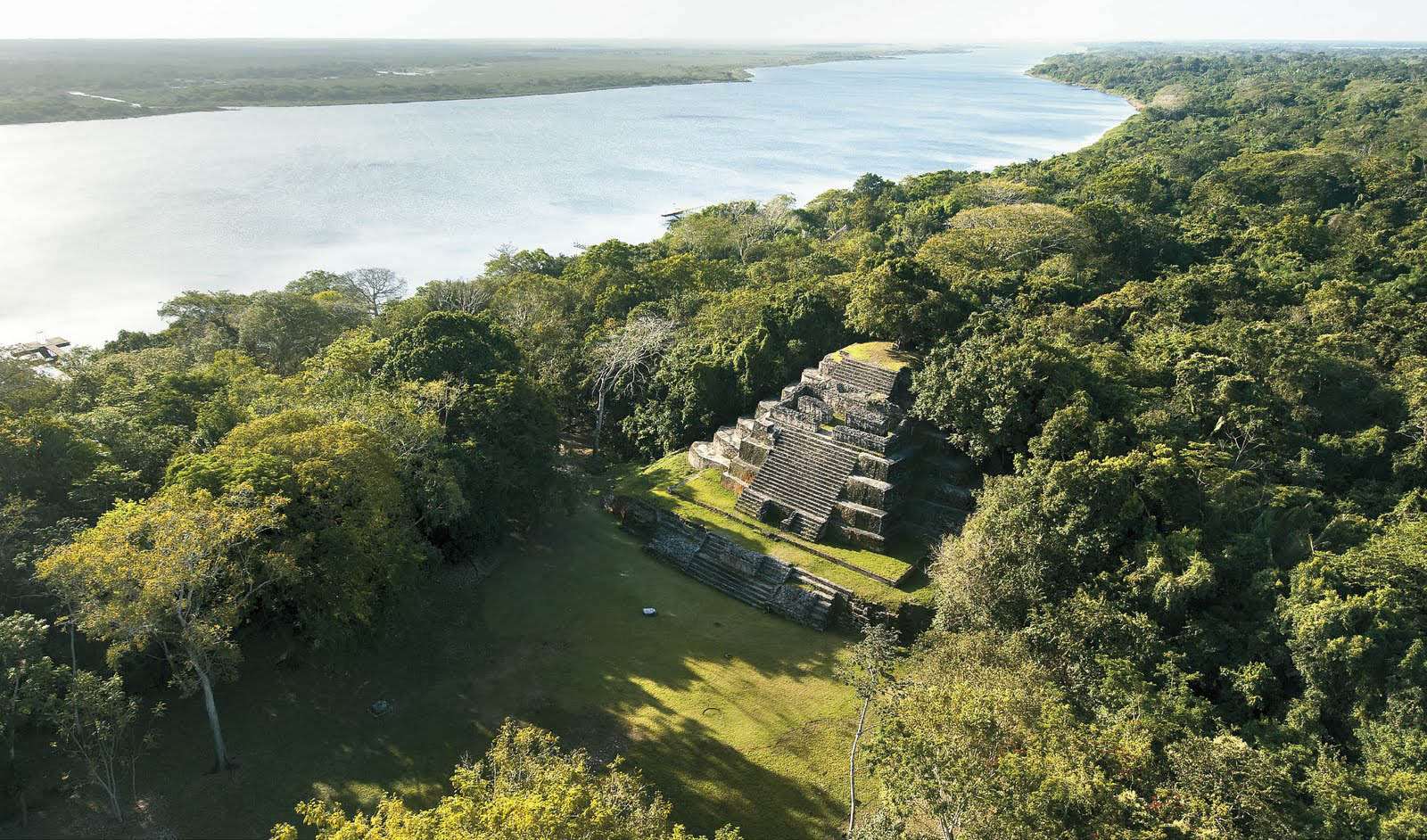
In the heart of Belize, wrapped in the verdant embrace of the jungle, lies Lamanai, one of the most captivating ancient Maya cities. This archaeological gem is not just a testament to the ingenuity of the Maya civilization; it is a vibrant narrative woven through centuries, from its founding around 1500 BC to its intriguing later history marked by the arrival of European influences.
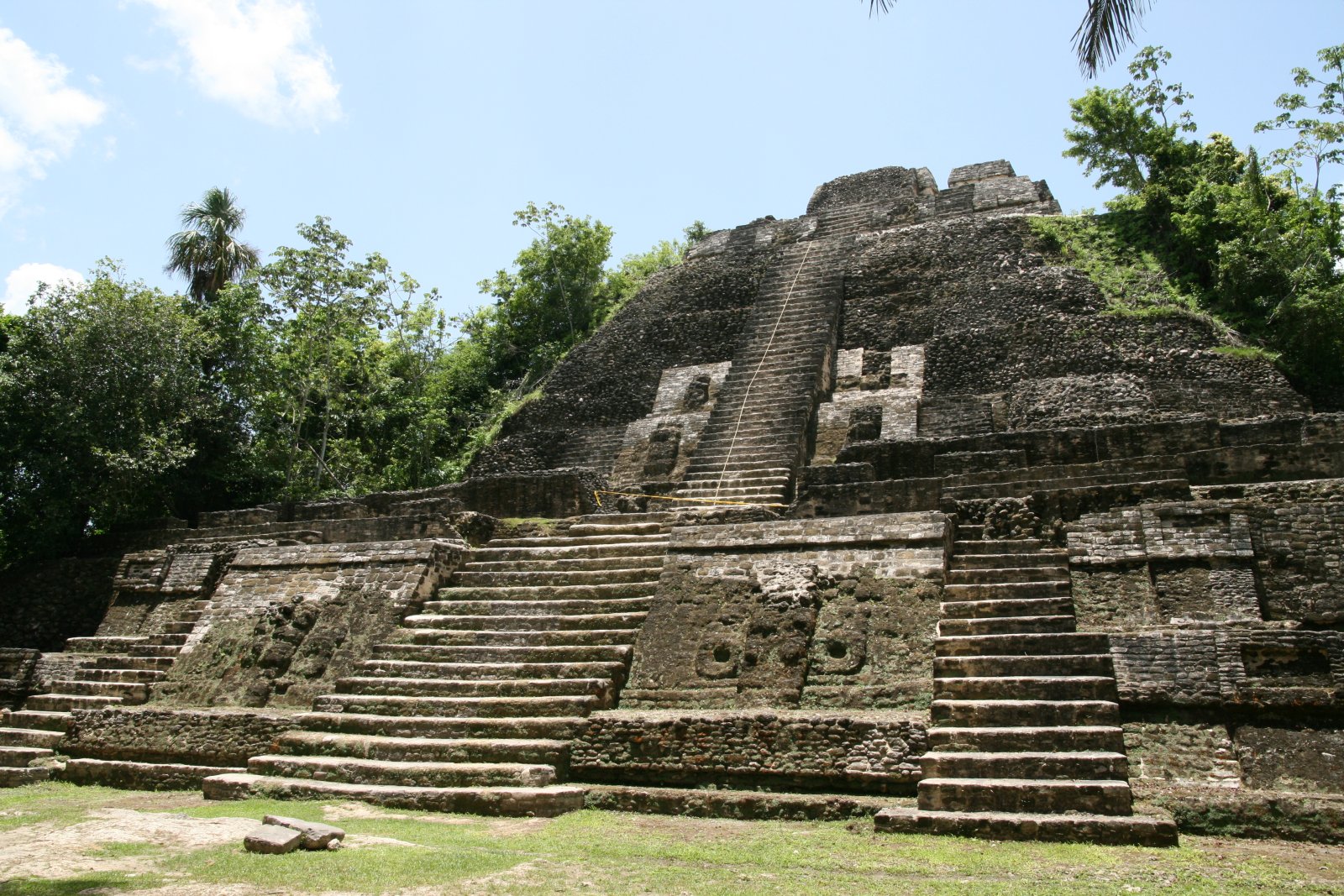
The name "Lamanai" translates to "submerged insect," a term derived from the corrupted version of its original name, "Lam'an/ayin." Archaeological findings reveal that the correct suffix, "ayin," alters its meaning to "submerged crocodile." This translation is fitting, as the site is adorned with numerous crocodile representations, including intricate figurines, pottery motifs, and the striking headdress of a 13-foot limestone mask found at the 6th-century Temple of the Mask. These artifacts highlight the deep-seated cultural significance of the crocodile in Maya mythology.
Lamanai is one of the largest ceremonial sites in Belize, sprawling across approximately 950 acres. It contains more than 100 minor structures, a ball court, and about 12 major buildings. Its layout diverges from the typical Maya city organization, which often centers around a grand plaza. Instead, Lamanai’s ceremonial buildings are strategically positioned along the west bank of the New River and the New River Lagoon, while residential structures radiate outward to the north, west, and south. This unique arrangement reflects the city's adaptation to its environment, facilitating both community living and ceremonial practices.
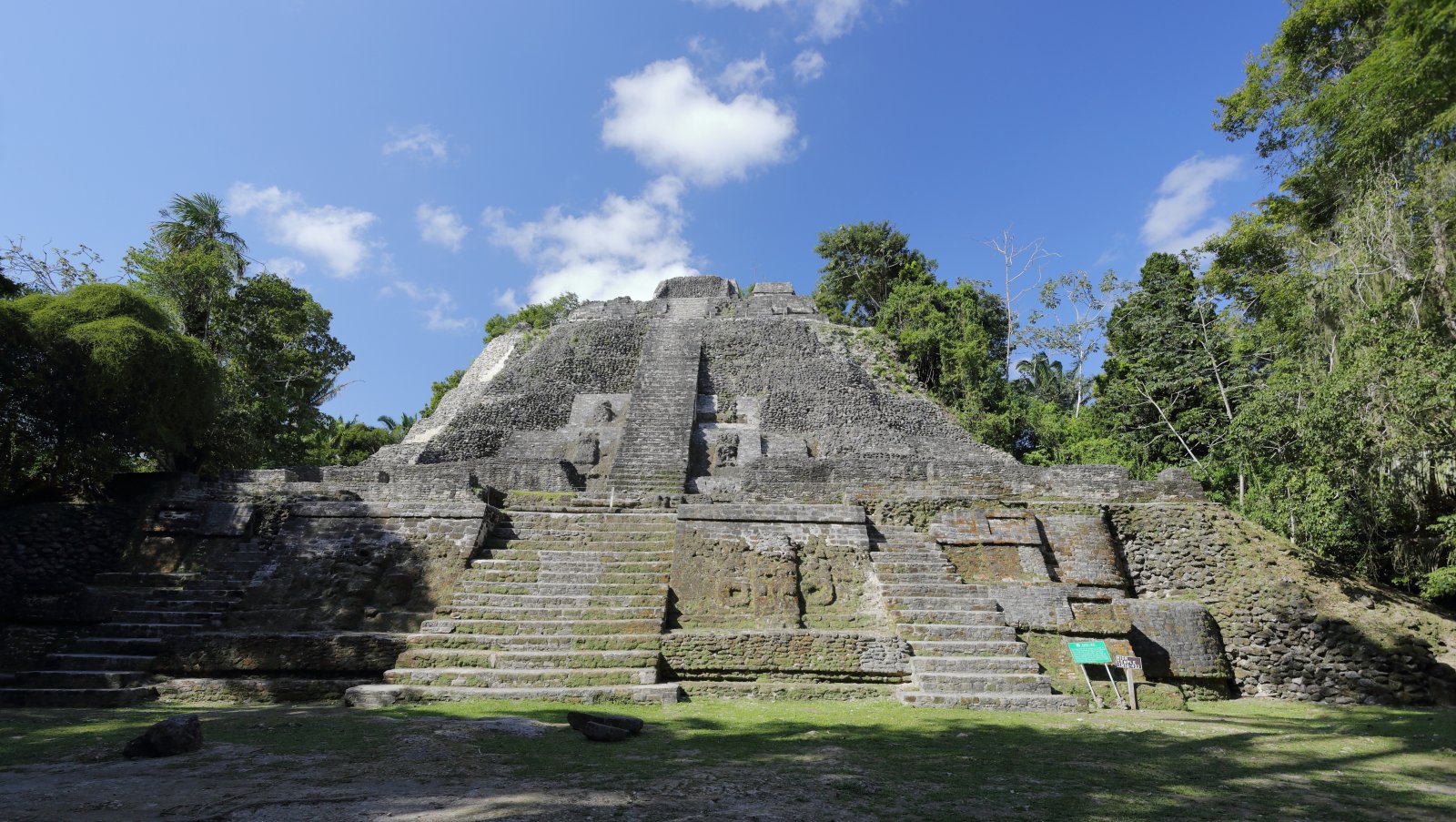
The architectural style at Lamanai is characterized by its impressive stone temples and altars, showcasing the Maya's mastery of construction techniques. The Temple of the Jaguar Masks, adorned with vibrant masks depicting jaguars, serves as a striking example of their artistic expression and religious devotion. The High Temple, known for its formidable elevation, offers breathtaking views of the surrounding jungle and river, a reminder of the Maya's connection to nature and the cosmos.
Lamanai also holds a significant place in local culture and traditions. The nearby town of Orange Walk is home to a vibrant Mestizo community that celebrates its rich heritage through various customs and festivals. One notable event is the Fiesta de la Cruz, which takes place in May, where locals honor the Holy Cross with colorful decorations, traditional music, and dance. This festival not only reflects the fusion of Maya and Spanish cultures but also serves as a reminder of the enduring legacy of the Maya civilization in contemporary Belize.
When it comes to gastronomy, the flavors of Orange Walk are as rich as its history. Traditional dishes such as tamales, made from masa and filled with meats or vegetables, are a local favorite. The region is also known for its Ceviche, a refreshing dish made with fresh fish marinated in citrus juices, and rice and beans, a staple that accompanies many meals. Don’t miss trying Belikin Beer, the national brew of Belize, or a refreshing glass of coconut water, perfect for quenching your thirst after a day of exploring.
As you wander through the lush surroundings of Lamanai, you might stumble upon lesser-known curiosities that add layers to your experience. For instance, only about 5% of the site has been excavated, leaving much of its history buried beneath the jungle canopy. This means that every visit bears the promise of new discoveries, and you may be among the few to witness the mysteries that remain hidden. Additionally, the New River, laden with tales of ancient trade routes, was once a vital artery for the Maya, connecting them to other cities and resources.
For those planning a visit, the best time to explore Lamanai is during the dry season, from late November to mid-April. The weather is more favorable, allowing for comfortable hikes through the site and its surrounding jungles. Be sure to wear sturdy footwear and bring plenty of water, as the trails can be uneven and the tropical heat can be intense. Look out for the impressive temples, the vibrant wildlife, and the serene views of the river, each element a window into a world that once thrived in harmony with nature.
In conclusion, a journey to Lamanai is not merely a visit to a historical site; it is an immersion into the depths of Maya civilization, where every stone tells a story and every shadow holds a secret. To truly make the most of your adventure, consider using the Secret World app to plan a personalized AI itinerary to explore Orange Walk and its rich tapestry of history and culture.
