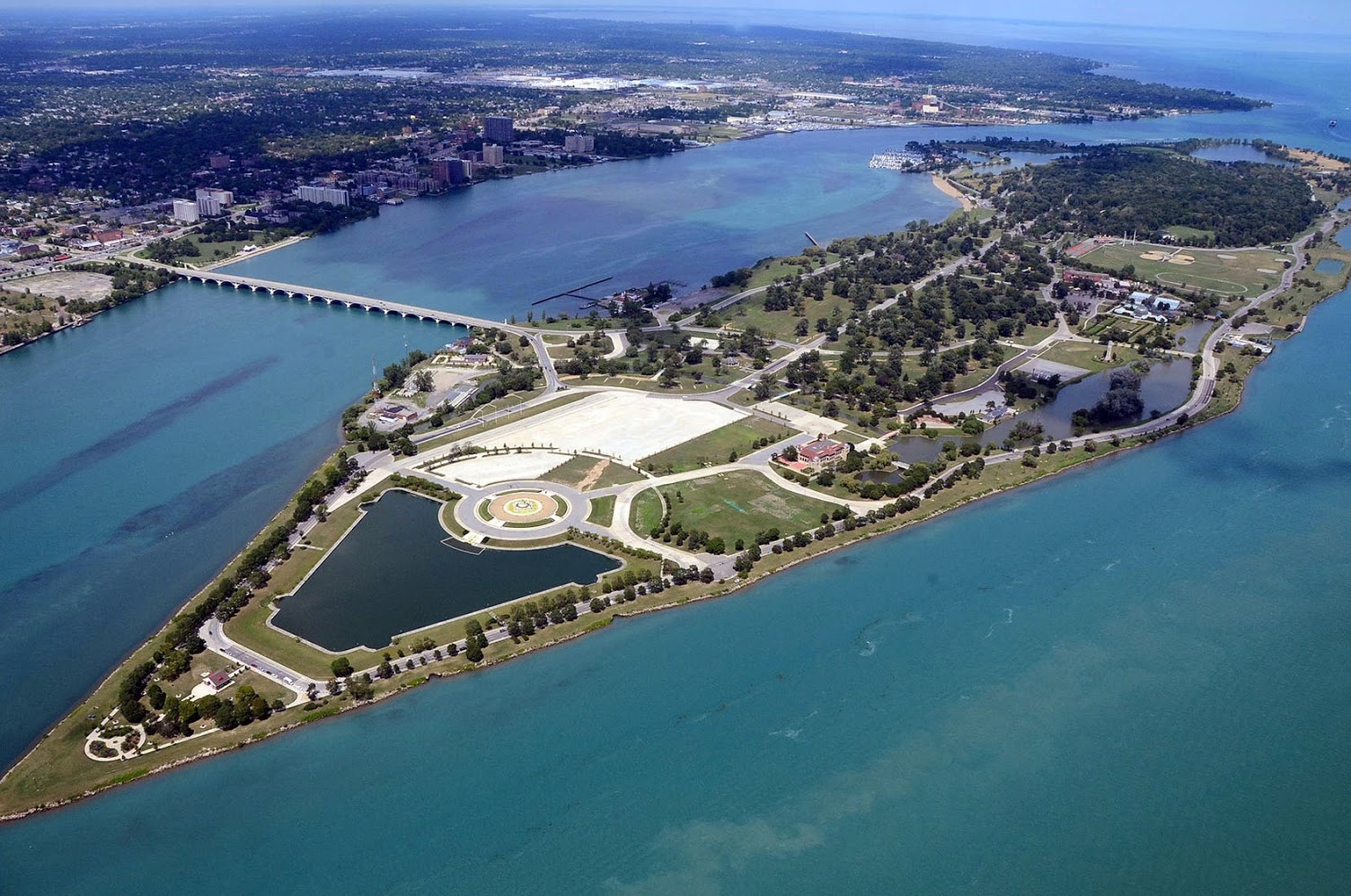

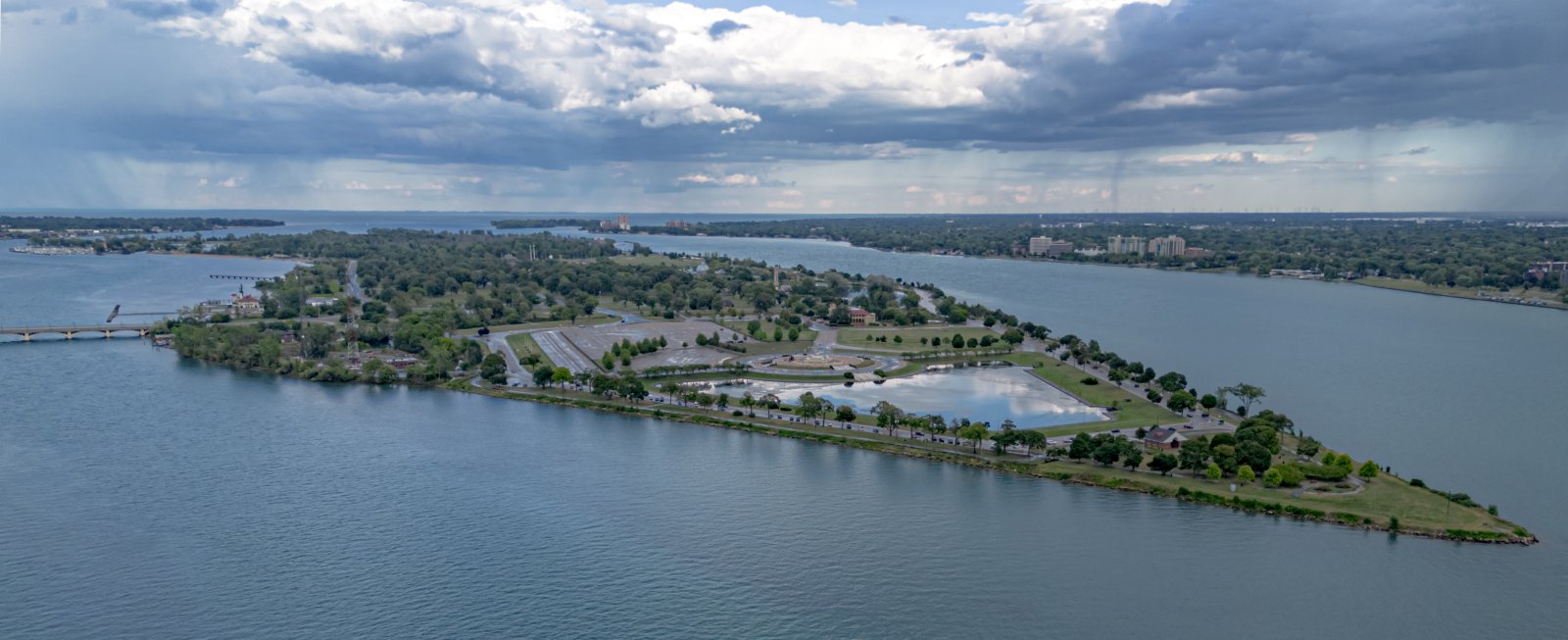
Nestled in the heart of the Detroit River, Belle Isle Park is more than just a tranquil escape; it is a vibrant tapestry woven with history, culture, and natural beauty. Originally known as Hog Island, this picturesque oasis was transformed into a public park in the late 19th century, thanks to the vision of philanthropist G. N. McMillan and landscape architect Frederick Law Olmsted, renowned for his work on Central Park in New York City. Officially designated as a park in 1884, Belle Isle has become a cherished escape for Detroiters and visitors alike, boasting a rich history that reflects the evolution of the city itself.
### History and Origins
The island's history stretches back to the Native American tribes who inhabited the region long before European settlers arrived. The Ojibwe and Odawa tribes knew this area well, using its resources for fishing and hunting. Its modern transformation began in the mid-1800s when it was acquired by the city of Detroit. By 1879, it was officially designated as a park, and the work of Olmsted began, creating a landscape that harmonized with the natural environment.
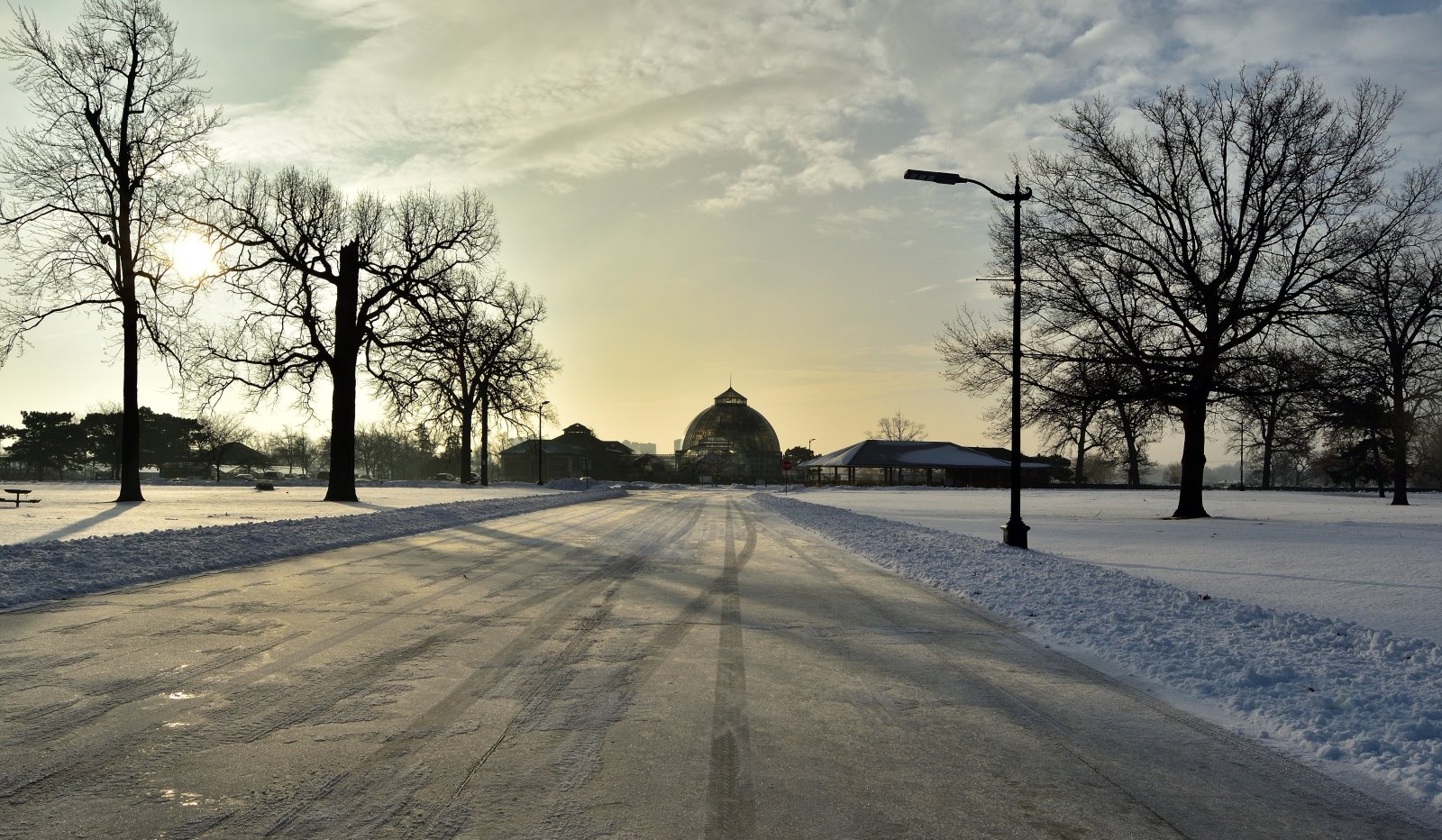
Key historical events have shaped Belle Isle’s identity. In the early 1900s, the island became increasingly popular, with the construction of the Belle Isle Casino in 1908 and the Belle Isle Conservatory in 1904, designed by the influential architect Albert Kahn. These structures not only enhanced the island's aesthetic but also contributed to its cultural significance, making it a hub for community gatherings and celebrations.
### Art and Architecture
Belle Isle Park is a showcase of architectural beauty and artistic endeavors. The Belle Isle Conservatory, a stunning example of Beaux-Arts architecture, is one of the largest and oldest conservatories in the United States. Inside, visitors can marvel at various plant species, including exotic flowers and regional flora, presented in a serene environment that encourages reflection and appreciation of nature.
Another architectural gem is the James Scott Memorial Fountain, completed in 1925. This majestic structure, adorned with intricate sculptures, serves as a tribute to the city’s rich heritage and is especially breathtaking when illuminated at night. Throughout the park, visitors can find public art installations that celebrate the cultural fabric of Detroit, making Belle Isle a living gallery in the midst of nature.
### Local Culture and Traditions
Belle Isle is not just a park; it's a vibrant cultural hub. Every June, the island hosts the Detroit Grand Prix, a thrilling event that attracts motorsport enthusiasts from around the world. The race is a celebration of speed and skill, and it brings together a diverse crowd for a weekend of excitement and camaraderie.
Additionally, Belle Isle is home to numerous festivals and community events throughout the year, including outdoor concerts and nature walks. These gatherings emphasize the island's role as a gathering place for families and friends, where traditions are celebrated and new memories are created.
### Gastronomy
While Belle Isle itself may not have a wide array of dining options within its borders, Detroit's culinary scene is just a stone's throw away. Visitors can indulge in quintessential local foods, such as Detroit-style pizza, known for its thick crust and unique toppings, or sample a Coney Island hot dog, a beloved staple served with chili and onions. The island's proximity to the city allows food enthusiasts to explore Detroit's diverse gastronomy, from upscale dining to food trucks serving authentic regional fare.
### Lesser-Known Curiosities
Hidden within Belle Isle Park are several lesser-known treasures that often go overlooked. For instance, the Belle Isle Aquarium, opened in 1904, is one of the oldest aquariums in the country and features a diverse collection of aquatic life. It underwent renovations and reopened to the public in 2012, offering educational programs that highlight the importance of aquatic ecosystems.
Visitors may also discover the remnants of the old Belle Isle Zoo, which operated from 1895 until 2002. While the animals are no longer present, the site serves as a reminder of the island's evolving role in the lives of Detroiters. Moreover, the island is home to the Spirit of Detroit statue, which symbolizes the resilience of the city and its people.
### Practical Visitor Information
The best time to visit Belle Isle Park is during the warmer months, from late spring through early fall, when the park's lush greenery and blooming flowers are at their most vibrant. Weekends tend to be busier, particularly during events, so visiting on a weekday can provide a more peaceful experience.
When exploring the park, be sure to check out the Nature Center, where you can learn about local wildlife and participate in educational programs. The island also has several scenic trails perfect for walking or biking, offering stunning views of the river and the Detroit skyline.
For those looking to make the most of their visit, it’s advisable to bring a picnic, enjoy the beaches, or even rent a kayak to explore the waters surrounding the island.
Belle Isle Park is a Detroit gem that invites exploration and appreciation, a place where history and nature converge beautifully. To enhance your visit, consider using the Secret World app to craft a personalized itinerary that highlights all the best this vibrant city has to offer.