
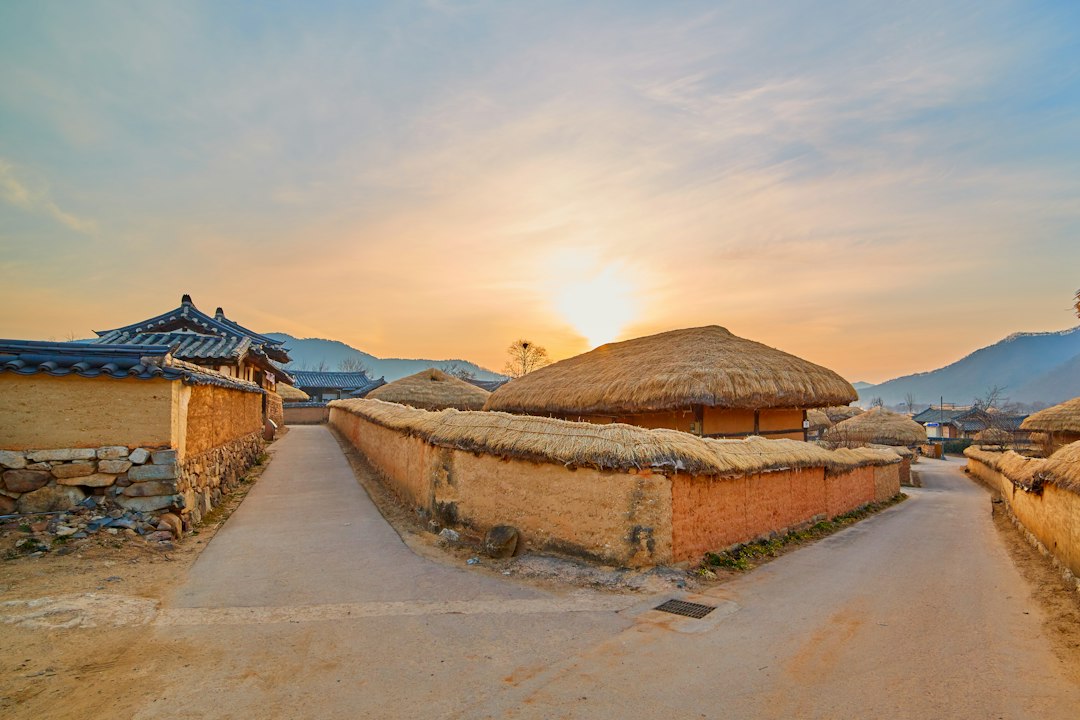

At the center of the square in Bena stands a forest of wooden and straw structures that no modern hand has altered for centuries. They are the ngadhu and the bhaga, the totemic poles and miniature huts that each Ngada clan raises in honor of their male and female ancestors. They are not decorations or museum artifacts: they are living altars, around which animist ceremonies, food offerings, and rites of passage still take place today. Bena is not a village rebuilt for tourists — it is a settlement that continues to operate according to the same social and spiritual rules of the 16th century.
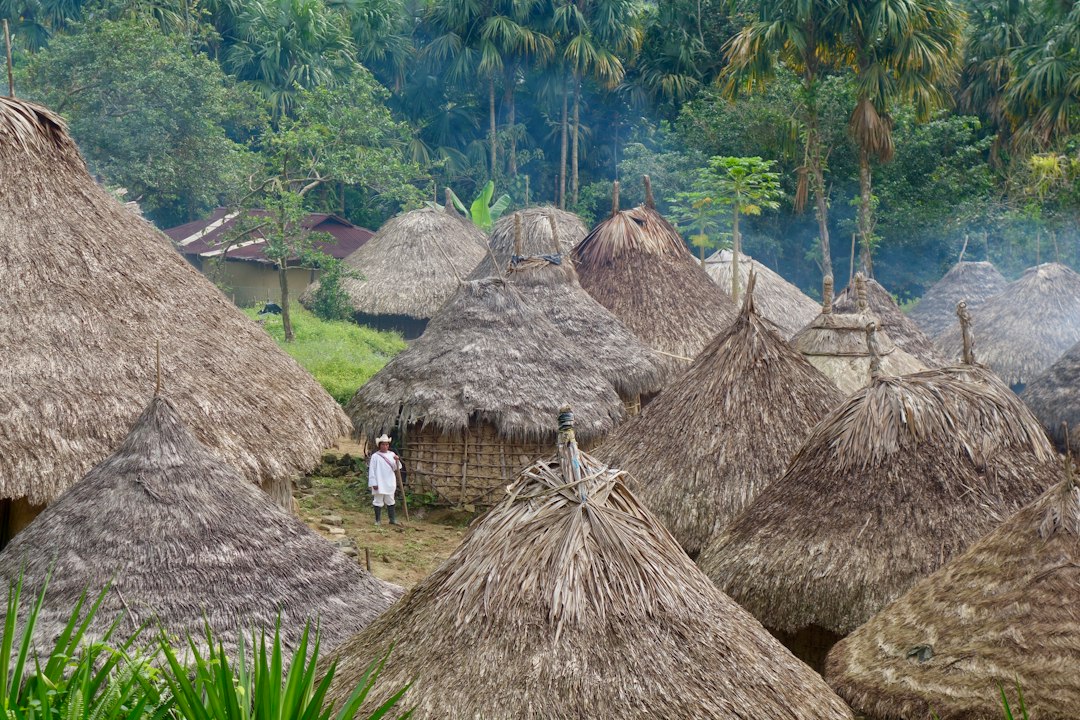
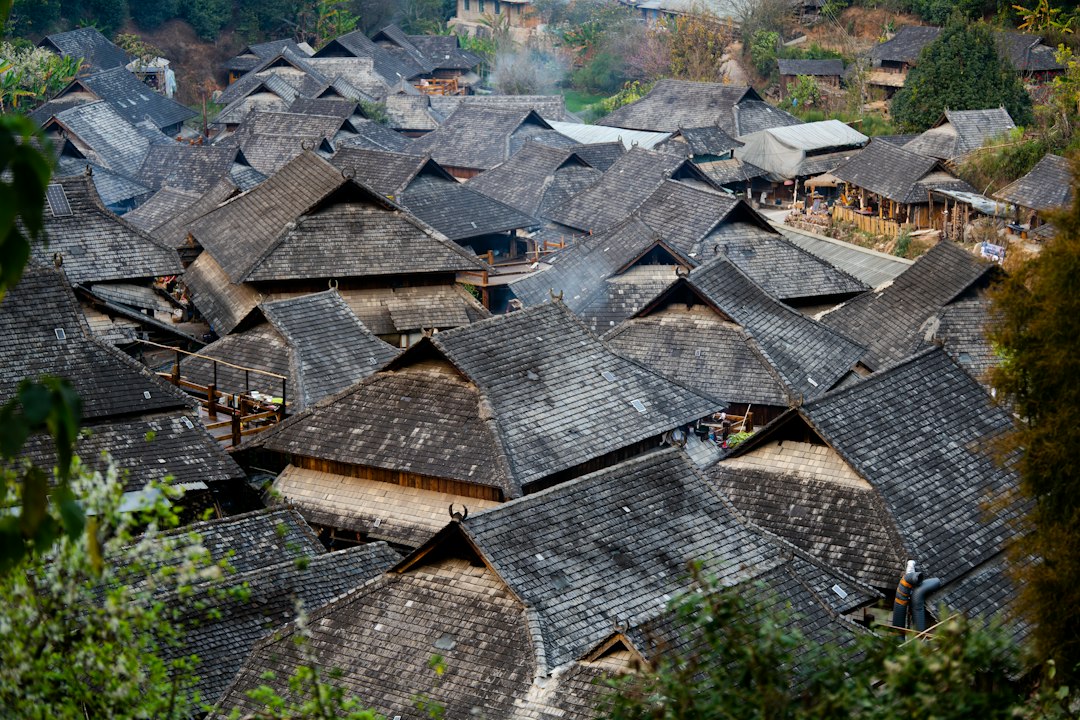
The village is located on the slopes of the Inerie volcano, which at about 2,245 meters dominates the landscape of Flores Island, in the Kecamatan Jerebuu district, a few kilometers from the city of Bajawa. The location is not random: the Ngada communities chose the volcanic slopes for the fertility of the soil and for the symbolic closeness to the cosmic forces that govern life and death. Looking at Bena from above means seeing a layout that has not changed in its structure since the first clans settled here, with houses aligned in two parallel rows facing the central corridor where the spirits of the ancestors reside.
Ngadhu and Bhaga: the clan altars
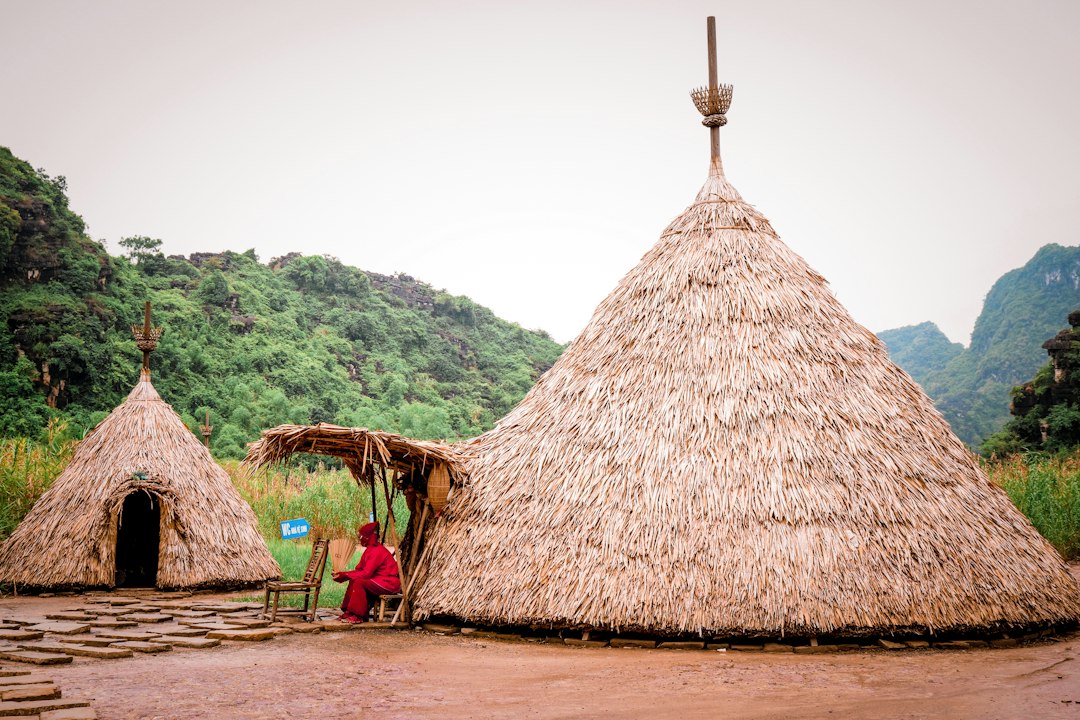
Each pair of structures — the ngadhu, a carved pole topped with a conical thatched roof, and the bhaga, a small house-shaped hut — represents an ancestral couple that founded a clan. In Bena, there are nine clans, and each maintains its own pair of symbols in the central square. The ngadhu is considered masculine, while the bhaga is feminine: together they embody the duality that, according to Ngada cosmology, sustains the balance of the world. Approaching these structures requires respect: they are not decorative objects, but active spiritual presences.
Upon close observation of the ngadhu, one notices zoomorphic carvings on the wooden trunk and remnants of offerings placed at the base — leaves, small coins, sometimes feathers. The thatched roofs are periodically replaced during collective ceremonies that involve the entire village. When one happens to witness one of these moments — even just partially — it becomes clear that the boundary between the everyday and the sacred in Bena does not exist.
The traditional houses and village life
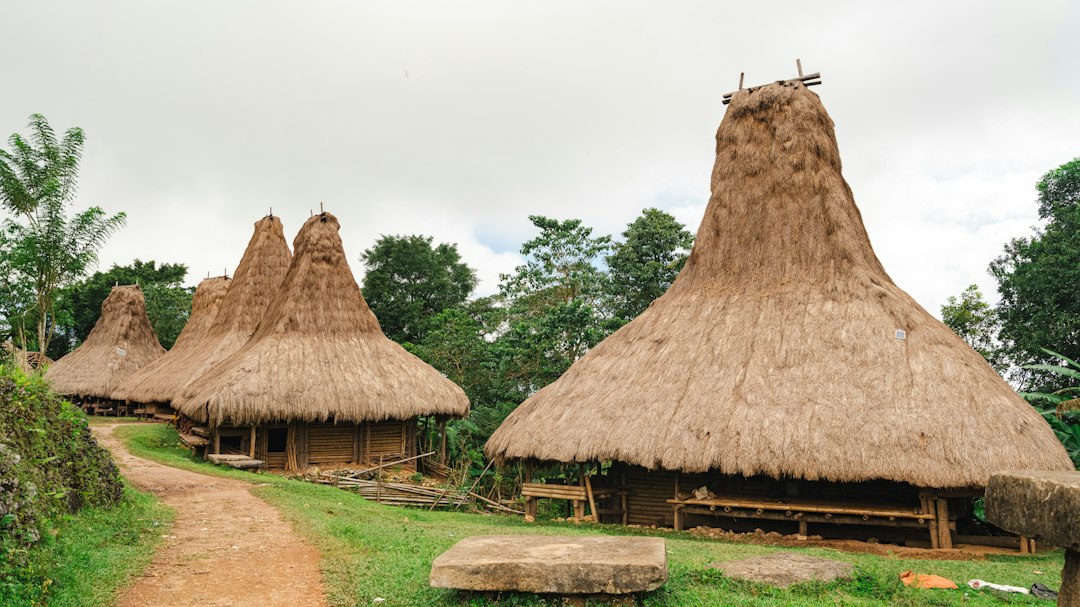
The houses of Bena are built of wood and bamboo with very steep thatched roofs, an architectural form that serves both to drain tropical rains and to keep the internal rooms cool. Many families still live here permanently, and it is not uncommon to meet elderly women weaving ikat fabrics sitting in front of their doorways. The ikat from Flores is produced with natural dyes — indigo, bark tannins — and the geometric patterns that appear often reproduce symbols related to ancestors and the agricultural cycle.
The village has no fence or formal entrance fee, but it is customary to leave a voluntary donation to the family that manages the hospitality at the entrance — an amount around 20,000-30,000 Indonesian rupiah is considered appropriate. This contribution goes directly to the community and helps maintain the traditional structures. Photographing people always requires explicit permission: many residents gladly grant it, but asking is a gesture of respect that is noticed and appreciated.
Ceremonies and Spiritual Calendar
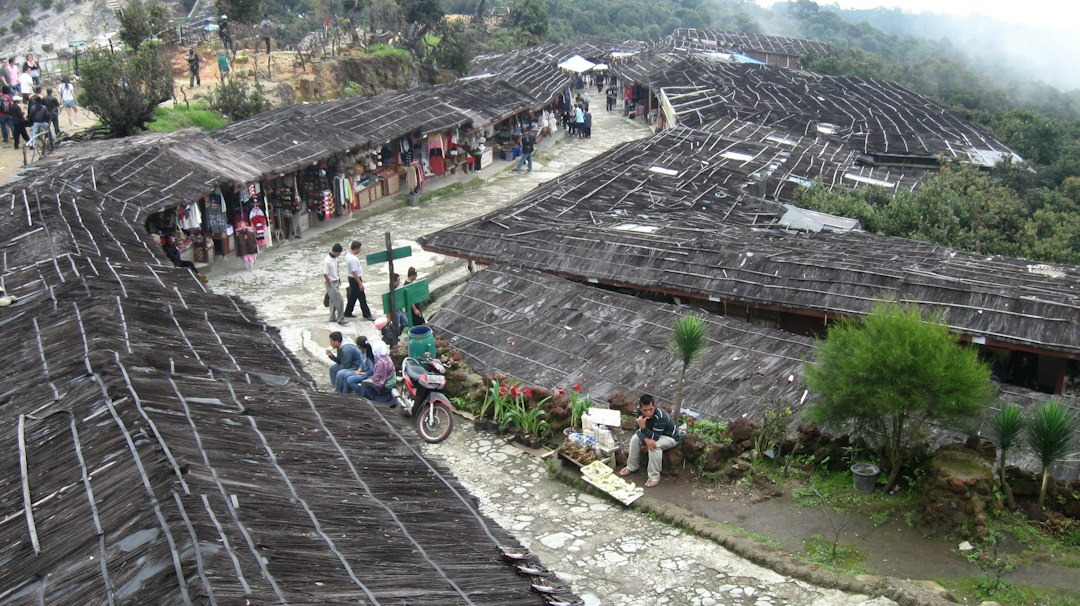
The most intense time to visit Bena coincides with the great ceremonies of the agricultural cycle, particularly those related to the planting and harvesting of maize. During these periods — which vary from year to year according to the traditional Ngada calendar — ritual sacrifices, dances, and collective songs take place that can last for days. There is no fixed public calendar, but local guides in Bajawa are generally informed about the approximate dates. Even without ongoing ceremonies, the spiritual presence of the place is tangible: the silence of the central square, interrupted only by the wind shaking the thatched roofs, has a physical weight that is hard to describe.
Those who visit Bena outside of ceremonial periods can still meet the village chief or an elder of the clan available to tell the story of the structures. This type of conversation, often mediated by a Bajawa guide who speaks Indonesian and Ngada, offers an understanding of the place that is impossible to obtain through mere visual observation.
How to get there and practical tips
Bajawa can be reached by plane from Bali or Labuan Bajo with regional flights operated by companies like Wings Air or TransNusa. From Bajawa, Bena is about 19 kilometers away and can be reached in 30-40 minutes by car or scooter on a well-maintained paved road. Many visitors rent a scooter directly in Bajawa, which is an economical and flexible option. The best time to arrive is in the early morning, between 7:00 and 9:00, when the slanting light illuminates the thatched roofs and Mount Inerie is still free from the clouds that tend to cover its peak in the afternoon. Avoid the central hours of the day in the hottest months: the heat can be intense and the square is lacking in shade.
Bring enough water, wear modest clothing that covers shoulders and knees, and leave heavy luggage at the hotel in Bajawa. A complete visit takes between two and three hours, enough time to walk through the village, observe the structures, possibly buy a piece of ikat directly from the weavers, and sit for a few minutes in the central square — the simplest and most necessary gesture to understand why this place still exists.


