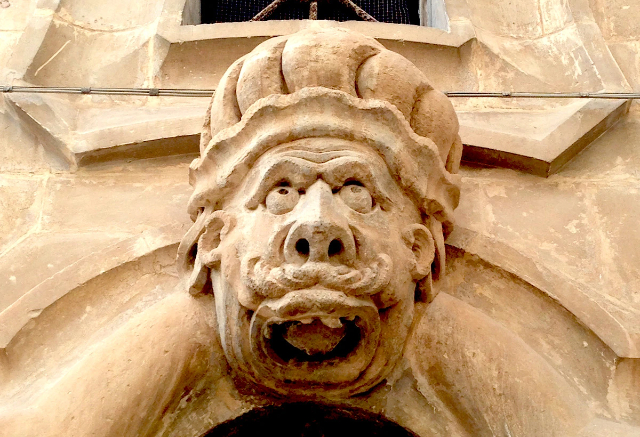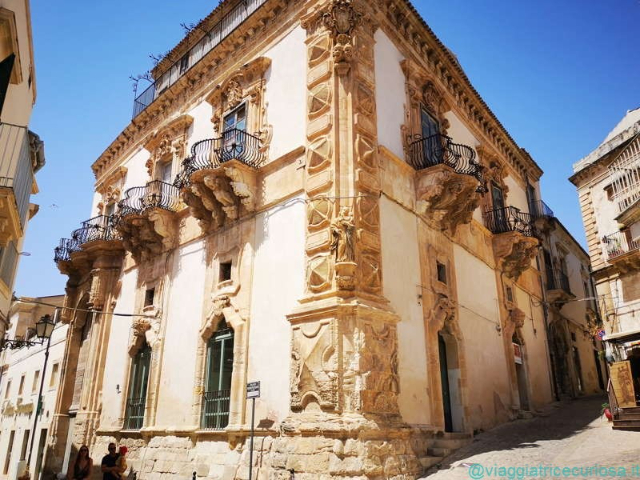

Palazzo Beneventano è a building of intrinsic charm, shrouded in an aura of mystery that amplifies its splendor. Although the exact dates of its design, the workers involved and the time of construction are still unknown, some recent discoveries in ancient archives are beginning to reveal some clues. A writing dated December 22, 1752, found in the yellowing documents of the Archives, reveals a contract Don Carmelo Beneventano made with a gilder from Palermo named Filippo Bruno. The contract called for the gilding and finishing of two interior and exterior doors of the palace, along with all the carvings, also commissioning the making of two "cantarani" and a case for a carved bench.
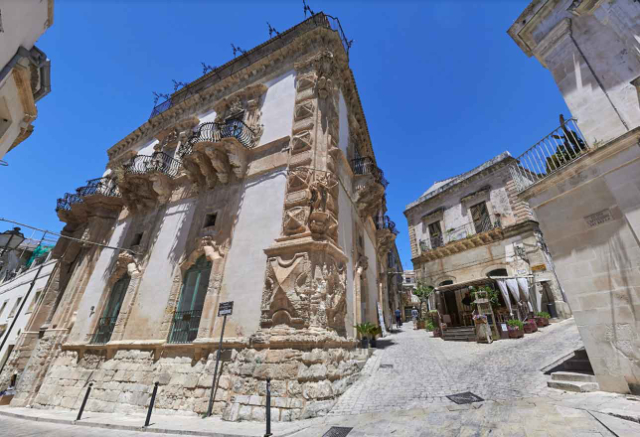
This seemingly insignificant document reveals that the palace was already in existence at that date, probably just completed. The work of the Palermo decorator testifies to the importance placed on attention to detail and the beauty of the building. The archives of the State Archives of Ragusa, Modica section, suggest a centralized management of the Beneventano family, with a wealthy local patriciate who sought to surround themselves with high-level artists and craftsmen, often recruited in Malta or Palermo. This context creates an intriguing atmosphere, in which one senses the need to create a jeweled city that combined religiosity with Baroque taste in living. The stone turbans, carved into the frames of the majestic Beneventano Palace, tell mysterious and sorrowful stories related to the sea.
Every corner of the building seems to hold centuries-old secrets, arousing curiosity and fascination in passers-by, outsiders and locals. Scicli, with its many names over the centuries, represents a place steeped in myth and a truth yet to be discovered. È a place where the indelible trace of time is intertwined with legends, creating an indecipherable memory that defies comprehension, but at the same time enchants with its mystery.
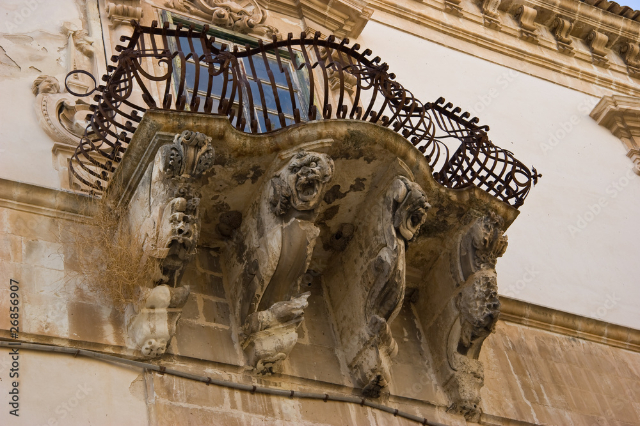
Palazzo Beneventano, with its fascinating architecture and its stories shrouded in secrecy, continues to raise questions and stimulate the imagination, keeping alive the aura of mystery that surrounds it. È a tangible symbol of a rich and complex history, which fascinates and surfaces through its architectural details and evidence of the past.