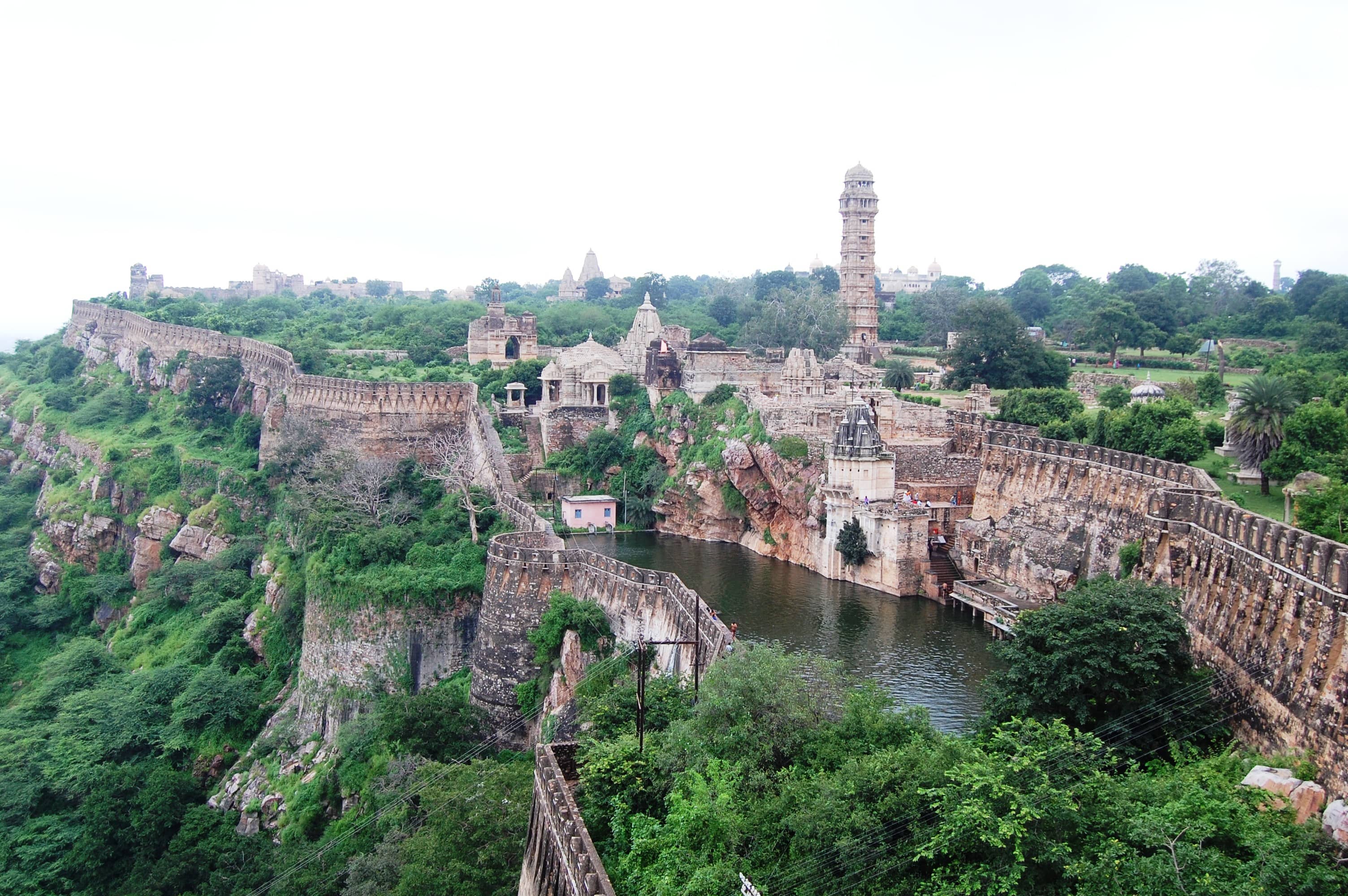

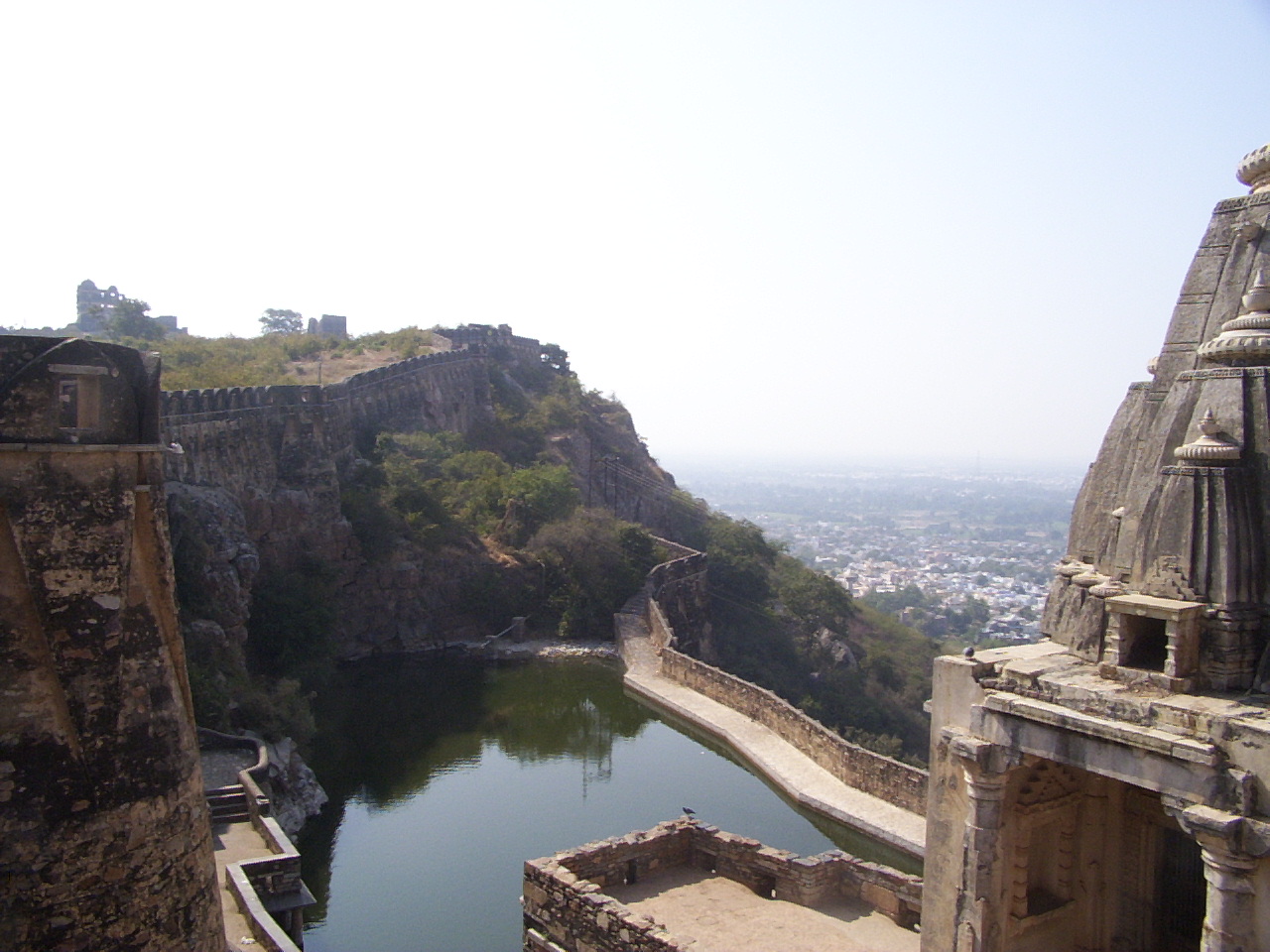
The Benteng Chittorgarh Fort, rising majestically above the landscape of Chittorgarh, is not merely a collection of stone walls; it is a testament to India's rich history and a canvas of epic tales. As the largest fort in India, it sprawls over 700 acres and is a UNESCO World Heritage Site, captivating visitors with its grandeur and the stories etched into every stone.
### History and Origins
The history of Chittorgarh Fort dates back to the 7th century when it was established by the Mewar dynasty. It served as the capital of Mewar before the establishment of Udaipur. The fort is famed for its resilience and valor, having witnessed three major sieges: the first in 1303 by Alauddin Khilji, the second in 1535 by Bahadur Shah of Gujarat, and the last in 1568 during the reign of Mughal Emperor Akbar. Each siege is steeped in tales of bravery, particularly the legendary Rani Padmini, whose tale of sacrifice and honor has transcended time, symbolizing love and loyalty.
This fort's historical significance is immense, with each structure within its walls telling a story of heroism and sacrifice. The Vijay Stambha, or Victory Tower, built in 1440 by Maharana Kumbha, stands as a tribute to the Mewar kings’ victories, while the Kirti Stambha honors the saint Rishi Dadhichi. The ruins within the fort reveal a lifestyle that thrived amidst conflict, showcasing the fort's strategic importance and its role as a cultural hub.
### Art and Architecture
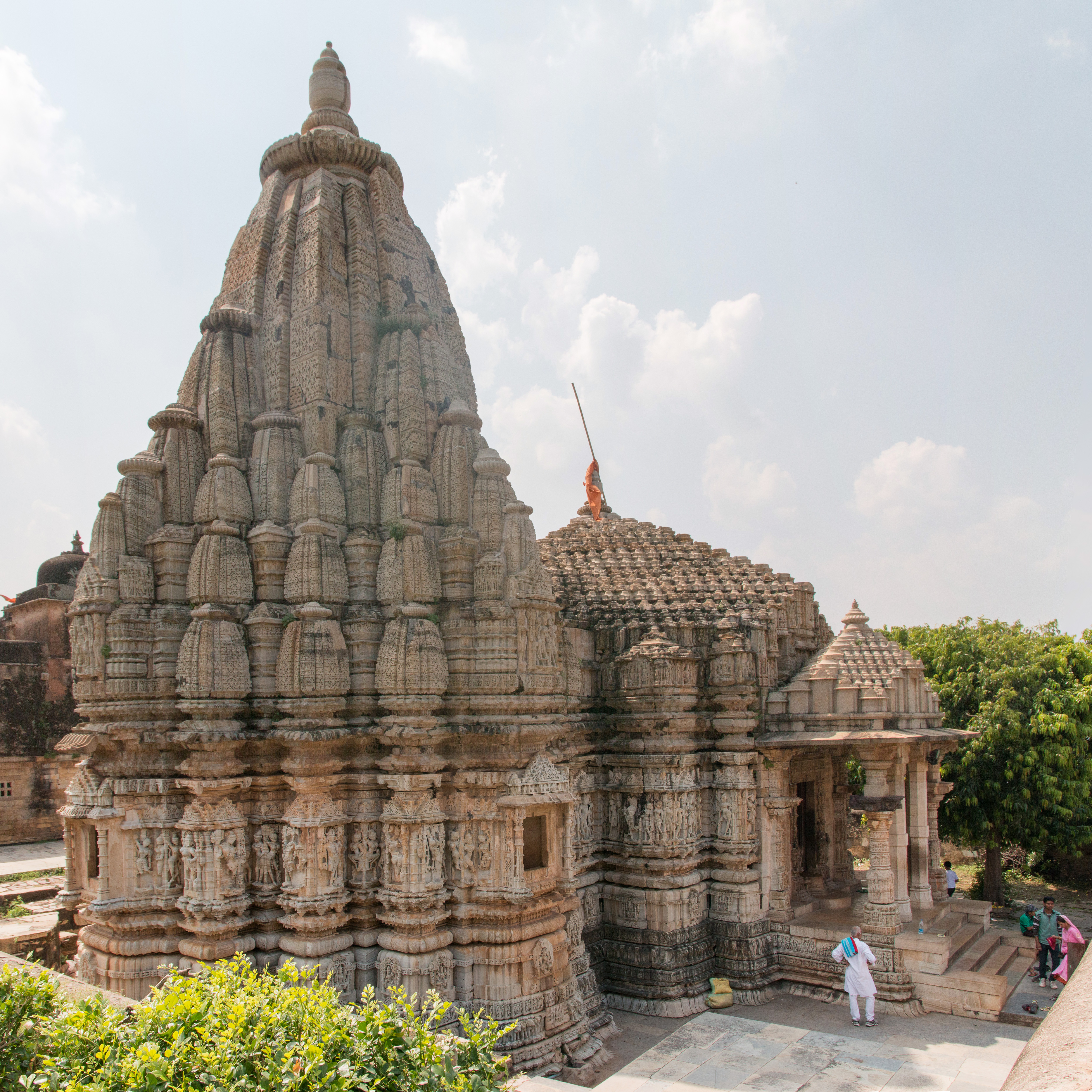
Architecturally, Chittorgarh Fort is a marvel. It features a blend of Rajput and Mughal styles, characterized by intricate carvings, massive walls, and towering palaces. The fort’s gates, notably Ram Pol, Hanuman Pol, and Padmini Pol, are adorned with elaborate designs that narrate stories of valor and devotion.
Inside the fort, the Palace of Rani Padmini is an architectural masterpiece. Its jharokhas (balconies) provide stunning views of the surrounding landscape, while the mirror work and intricate frescoes depict scenes from the lives of the royal inhabitants. The fort's numerous temples, such as the Satbis Deori (temple of 27 idols), are significant not just for their religious importance but also for their artistic finesse, showcasing the craftsmanship of the artisans of that era.
### Local Culture and Traditions
The culture surrounding Chittorgarh is vibrant and deeply rooted in tradition. The Mewar Festival, celebrated in April, marks the arrival of spring and showcases local customs through folk dances, music, and colorful processions. This festival draws visitors from around the world, providing a glimpse into the rich heritage of Rajasthan.
Moreover, local customs reflect a strong sense of community and pride in history, with many families still recounting tales of their ancestors' bravery during the fort's numerous sieges. The Ghoomar dance, a traditional Rajasthani dance performed by women in colorful attire, can often be seen during festivals and special occasions, celebrating the spirit of the region.
### Gastronomy
No visit to Chittorgarh is complete without indulging in its local cuisine. The area is renowned for its Rajasthani delicacies such as dal baati churma, a dish consisting of baked wheat balls served with lentil curry and sweetened crushed wheat. Another must-try is gatte ki sabzi, a curry made from gram flour dumplings, showcasing the region's love for spices and flavors.
For those with a sweet tooth, mava kachori and gajar ka halwa are delectable treats that represent the local culinary expertise. Pair your meals with lassi, a yogurt-based drink that offers a refreshing respite from the heat.
### Lesser-known Curiosities
While many tourists flock to the more famous attractions, there are hidden gems within Chittorgarh Fort that often go unnoticed. One such curiosity is the Rani Padmini's Palace, which houses a secret underground passage, believed to have been used for escape during sieges.
Additionally, the Baoris (step wells) scattered throughout the fort are engineering marvels that not only provided water but also served as gathering places for the local populace. These lesser-known features offer a deeper understanding of the fort’s significance in the daily lives of its residents.
### Practical Visitor Information
To fully appreciate the majesty of Chittorgarh Fort, the best time to visit is between October and March, when the weather is pleasant. Dress comfortably and wear sturdy shoes, as exploring the expansive fort requires quite a bit of walking. Be sure to bring a camera; every corner of the fort offers a perfect backdrop for photographs.
As you wander through the fort, take note of the intricate carvings and listen to the echoes of history that resonate in the air. Guided tours are available and can provide valuable insights into the fort's rich heritage.
In conclusion, Benteng Chittorgarh Fort stands as a symbol of India’s resilience, culture, and artistry. To make the most of your visit, consider using the Secret World app to craft a personalized AI itinerary that will guide you through the wonders of Chittorgarh.