



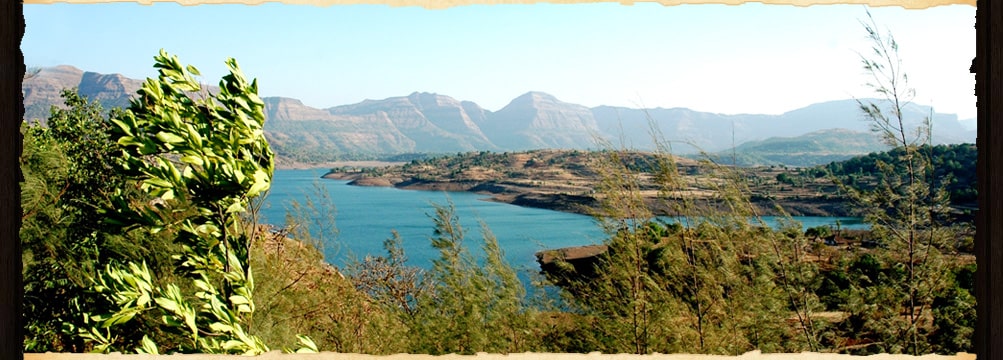
Nestled within the Sahyadri Ranges of Maharashtra, Bhandardara is a serene holiday resort that captures the essence of nature’s bounty. With its lush greenery, cascading waterfalls, and towering mountains, this hill station offers a refreshing escape from the frenetic pace of urban life. Located about 117 kilometers from Mumbai, it serves as a perfect weekend getaway for city dwellers yearning for tranquility.

History and Origins
The origins of Bhandardara date back to ancient times, intertwined with the rich tapestry of Maharashtra's history. The village is believed to have been established during the rule of the Chalukyas and later became significant under the reign of the Peshwas in the 18th century. One of its most notable landmarks is the Arthur Lake, named after a British officer, which was formed by damming the Mandakini River. The Bhandardara Dam, built in 1962, plays a crucial role in the irrigation of the region and has since contributed to the village's reputation as a picturesque resort.

In addition to its natural beauty, Bhandardara is steeped in spiritual history. The Amruteshwar Temple, a 9th-century shrine dedicated to Lord Shiva, showcases intricate carvings and reflects the architectural prowess of ancient Indian artisans. This temple not only serves as a place of worship but also as a testament to the region's historical significance.
Art and Architecture
The architectural style of Bhandardara is heavily influenced by the Western Indian temple architecture, seen vividly in structures like the Amruteshwar Temple. The temple’s black stone carvings depict various deities and mythical figures, showcasing the artistic finesse of the period. The village also features traditional Maharashtrian homes, built with locally sourced materials, harmonizing with the natural landscape.
Beyond temples, Bhandardara's charm lies in its natural artistry. The surrounding mountains, especially during the monsoon, are adorned with vibrant greenery, while waterfalls like the Randha Falls cascade dramatically, presenting a living gallery of nature's artistry.
Local Culture and Traditions
Bhandardara's cultural fabric is woven with local customs and traditions that reflect the essence of Maharashtrian life. Festivals such as Ganesh Chaturthi and Diwali are celebrated with enthusiasm, featuring local music, dance, and sumptuous feasts. The villagers often engage in traditional folk dances like Tamasha, bringing a lively spirit to these celebrations.
The region is also known for its warmth and hospitality. Visitors often find themselves welcomed with open arms, experiencing firsthand the simplicity and kindness of rural life. Local customs often include traditional attire, and interactions during festivals or local markets provide insights into the vibrant culture of the area.
Gastronomy
Food in Bhandardara is a delightful reflection of Maharashtrian cuisine, characterized by its rich flavors and use of local ingredients. Staples include Bhakri (a type of flatbread), Pithla (a gram flour dish), and Zunka (a spiced chickpea flour dish), which are often enjoyed with spicy pickles and tangy chutneys. The region is also famous for its modaks, especially during Ganesh Chaturthi, a sweet treat made of rice flour filled with coconut and jaggery.
For those seeking local beverages, Masala Chai is a must-try, often brewed with fresh spices that elevate its flavor. Additionally, the region’s proximity to the Godavari River means that fish dishes are also popular, offering a unique twist to the culinary experience.
Lesser-Known Curiosities
While Bhandardara is popular among nature lovers, several hidden gems often elude the average visitor. One such curiosity is the Nehru Waterfall, a lesser-known waterfall that offers a peaceful retreat, perfect for quiet contemplation away from the more crowded spots.
Another surprising feature is the Ratangad Fort, which offers not only a glimpse into the region's historical significance but also breathtaking panoramic views of the surrounding landscape. The fort is often overshadowed by other attractions but is a trekker's paradise, especially during the monsoon when the area transforms into a lush green wonderland.
Practical Visitor Information
The best time to visit Bhandardara is between October and February, when the weather is pleasantly cool and ideal for outdoor activities. During the monsoon months from June to September, the region becomes a verdant paradise, although it can be prone to heavy rains.
Travelers should ensure they have sturdy footwear for hiking and exploring the numerous trails in and around the village. It’s also advisable to carry some cash, as small local shops may not accept cards. Don’t forget to pack a camera to capture the stunning landscapes and vibrant local life.
With its rich history, mesmerizing scenery, and a culture that celebrates simplicity and warmth, Bhandardara is a hidden gem waiting to be discovered. For those eager to explore this enchanting destination, consider using the Secret World app to create a personalized itinerary that ensures you experience the best of what Bhandardara has to offer.
