



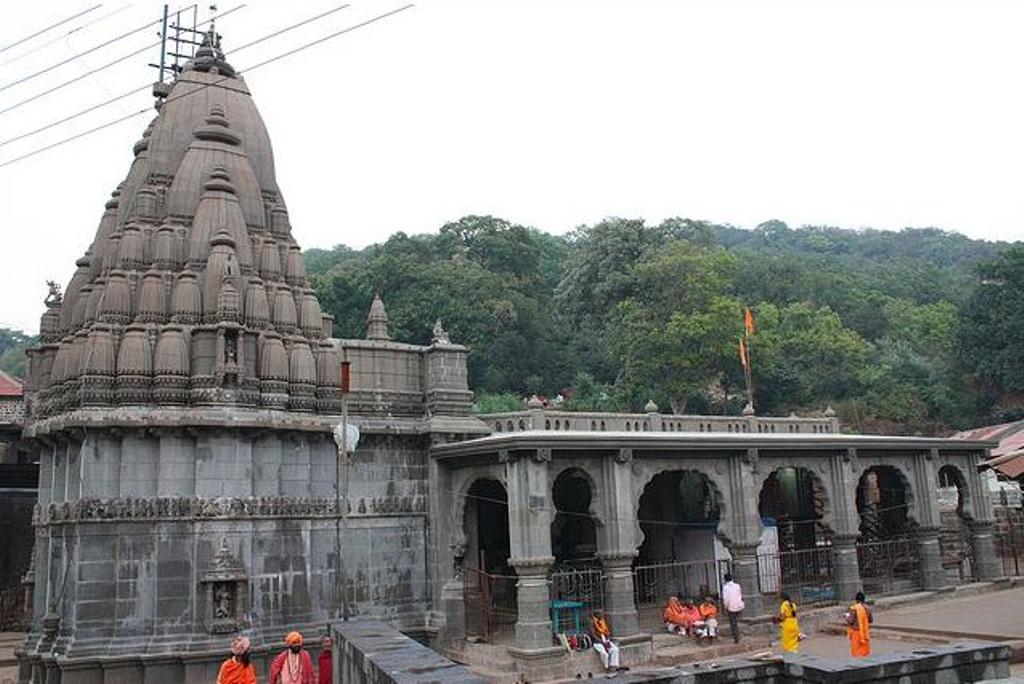
Nestled in the lush Sahyadri hills, the Bhimashankar Jyotirlinga Temple is a serene sanctuary dedicated to Lord Shiva. This ancient shrine is steeped in history, believed to date back to the 12th century, although local legends suggest its significance may stretch back even further. According to tradition, the temple was built on the site where Lord Shiva vanquished the demon Tripurasura, marking the place as a significant spiritual hub for devotees and pilgrims alike.
The temple’s architecture reflects the Hemadpanthi style, characterized by intricately carved stone structures and an exquisite shikhara (spire) that reaches towards the heavens. The central lingam—a representation of Shiva—is a powerful focal point for worshippers. Visitors can admire the detailed carvings that adorn the walls, depicting various deities and mythological scenes, each narrating the rich tapestry of Hindu mythology.
Surrounding the temple, the Bhimashankar Wildlife Sanctuary offers a glimpse into the diverse flora and fauna of the region, making it a delightful experience for nature enthusiasts as well. Rare species such as the Indian Giant Squirrel and various endemic plants thrive in this biodiversity hotspot, enhancing the spiritual ambiance of the temple, nestled amidst the dense greenery.
The cultural significance of the Bhimashankar Jyotirlinga Temple transcends mere architecture; it is a vibrant hub of local traditions. The Mahashivaratri festival attracts thousands of devotees every year, who come to offer prayers and partake in grand celebrations that last throughout the night. The rhythmic chants and traditional dances create an electrifying atmosphere, allowing visitors to immerse themselves in the local spiritual practices.
Gastronomy in and around Bhimashankar is equally enticing. The region is famous for its Kanda Bhaji (onion fritters) and Puran Poli, a sweet flatbread stuffed with a mixture of jaggery and lentils. Local eateries also serve traditional Thali meals, showcasing a variety of dishes that reflect the flavors of Maharashtra. Don’t miss out on the refreshing kokum sherbet, a local drink that quenches thirst while offering a unique taste of the region’s culinary heritage.
For those intrigued by hidden gems, the Bhimashankar Temple houses a unique Nandi (the bull, Shiva’s vehicle) statue, crafted from a single stone and believed to be over a thousand years old. Additionally, legends tell of a mystical spring that flows nearby, said to have healing properties, drawing both the faithful and the curious.
The best time to visit Bhimashankar is during the monsoon season (June to September), when the lush greenery is at its peak, and the waterfalls are spectacular. Alternatively, the winter months (November to February) offer a pleasant climate for trekking and exploration. Be sure to wear comfortable shoes, as the temple is situated at an elevation of approximately 3,200 feet, and the paths can be steep and winding.
When planning your visit, consider staying in one of the local guesthouses or homestays to experience the warmth of Maharashtrian hospitality. It’s advisable to arrive early to avoid the crowds, especially during festivals, and to fully embrace the serene atmosphere of this sacred space.
As you explore the enchanting surroundings, keep your eyes peeled for the breathtaking views of the Bhima River as it meanders through the valley, creating a picturesque backdrop to your spiritual journey.
With a blend of history, spirituality, and nature, Bhimashankar Jyotirlinga Temple promises an unforgettable experience that resonates deeply with all who visit. For a tailored adventure that captures the essence of your trip, consider using the Secret World app to create a personalized itinerary to Bhimashankar.
