



Nestled in the heart of North Rhine-Westphalia, Bielefeld has long been shrouded in a playful conspiracy theory claiming it doesn't exist. However, far from being a figment of imagination, this vibrant city stands as a testament to Germany's rich tapestry of history and culture.
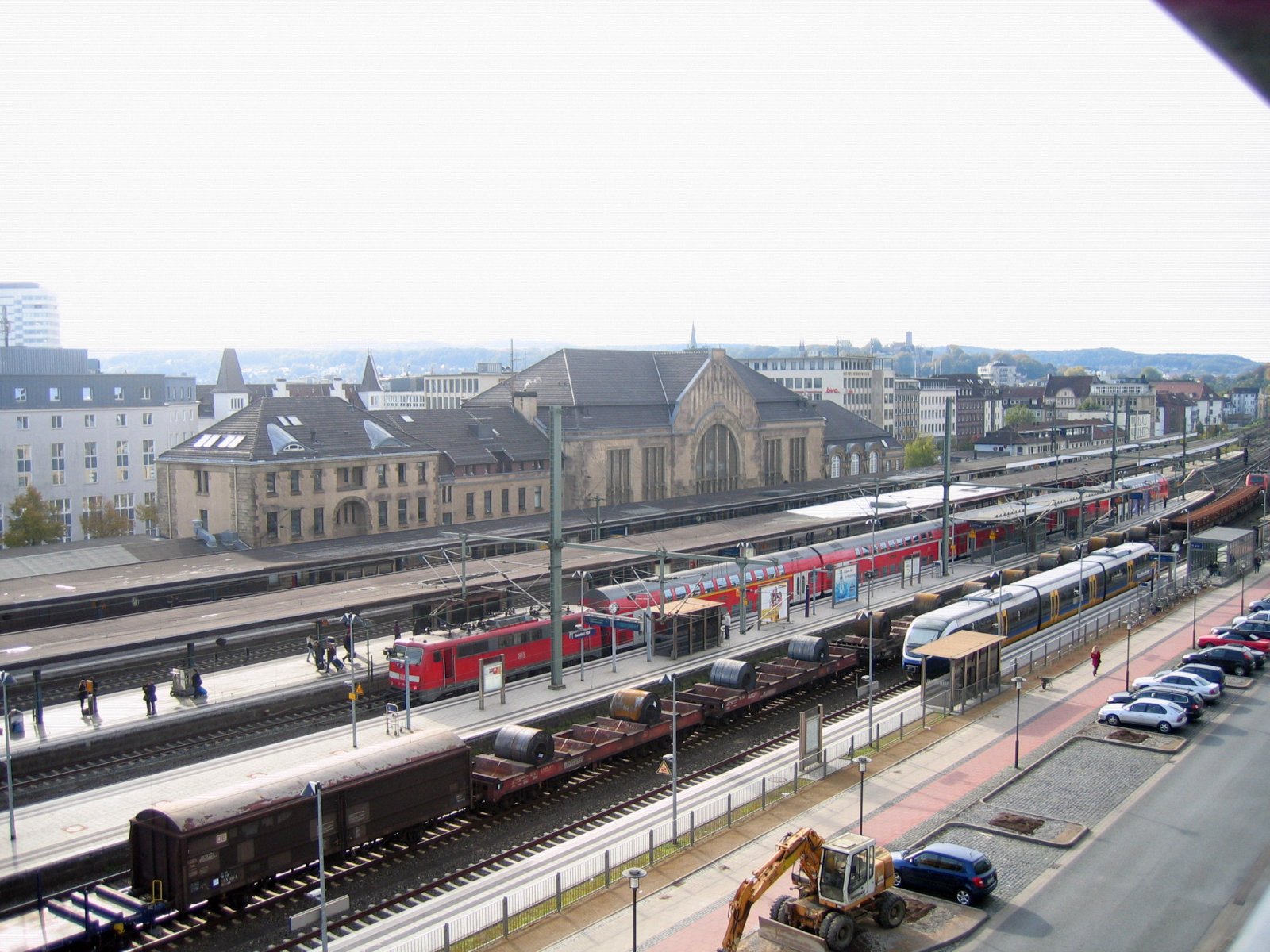
Bielefeld's origins date back to the early 13th century, when it was founded by Count Hermann IV of Ravensberg in 1214. Positioned strategically on the historic trade route known as the Hellweg, it quickly flourished as a market town. A key moment in its history was the construction of Sparrenburg Castle in 1250, which served as both a fortress and a seat of power. Over the centuries, Bielefeld evolved from a medieval market town into an industrial powerhouse, particularly renowned for its textile industry during the 19th century.
Architecture in Bielefeld offers a captivating blend of styles, reflecting its dynamic history. The Altstädter Nicolaikirche, dating from the 14th century, showcases stunning Gothic architecture with its tall spire punctuating the skyline. The Ravensberg Spinning Mill, a relic of the industrial era, stands proud as a monument to the city's economic past. In contrast, the Kunsthalle Bielefeld, designed by American architect Philip Johnson, represents modernist architecture at its finest, housing an impressive collection of 20th-century art.
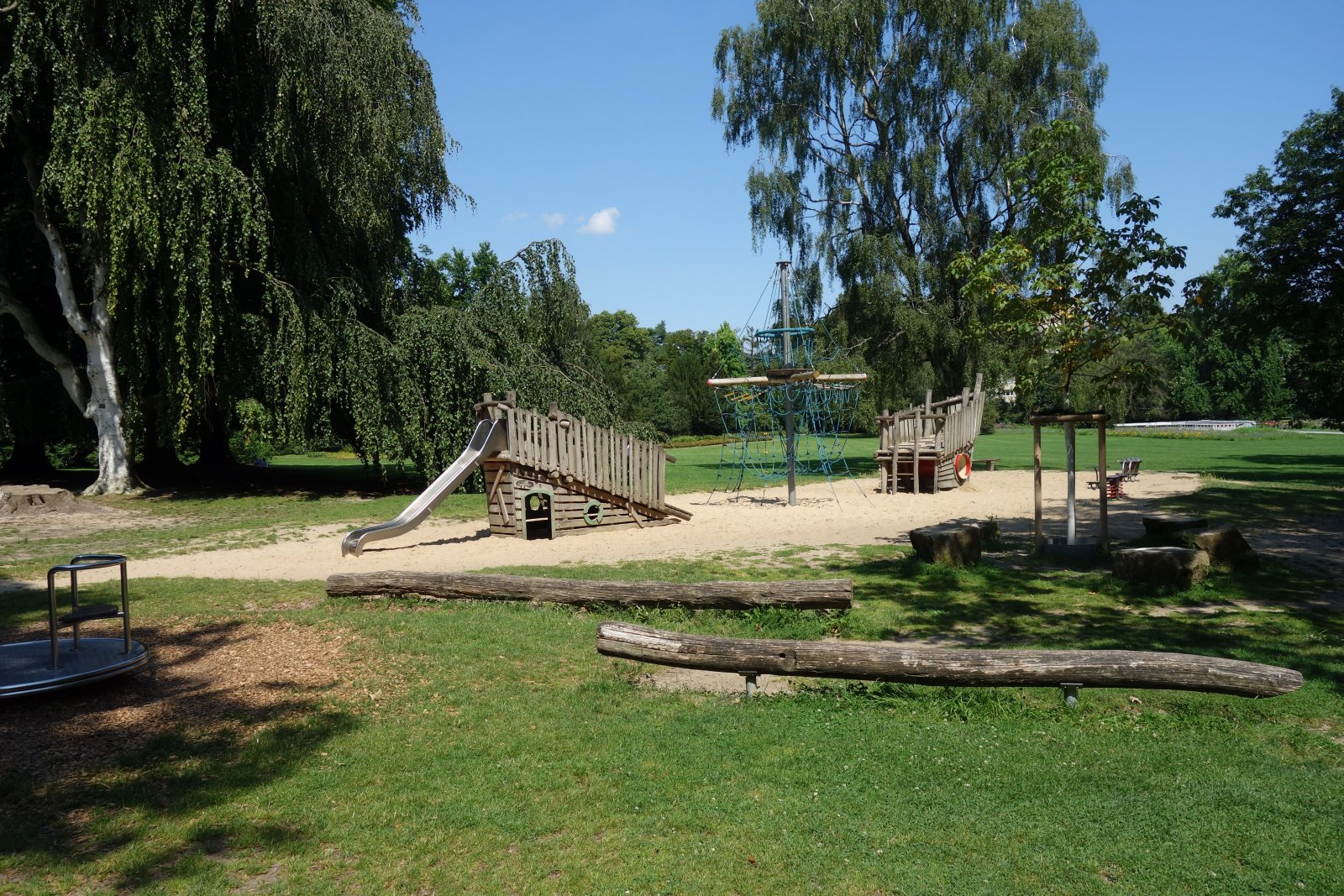
Culturally, Bielefeld is a vibrant hub. The city hosts the Bielefeld Carnival, a lively festival celebrated with parades and costumes, drawing residents and visitors alike into a whirl of color and music. The Leineweber Market, held annually in May, pays homage to the city's historical roots in linen weaving and features crafts, food stalls, and live performances.
Food enthusiasts will delight in Bielefeld's gastronomy. The region is famed for its hearty Westphalian cuisine. Try the Pumpernickel, a dense, slightly sweet rye bread, or the Westfälischer Schinken, a delicately smoked ham that pairs perfectly with local beers. For dessert, Stroopwafels, though originally Dutch, have found a beloved place in the local food scene.
Beyond its well-trodden paths, Bielefeld offers surprising curiosities. The city's name is linked to the whimsical "Bielefeld Conspiracy," a satirical claim that the city is merely an illusion. This urban myth adds a layer of intrigue, often humorously embraced by locals. Additionally, the Dr. Oetker World, dedicated to the famous food brand that originated here, provides an inside look at the company's storied history and production.
For visitors, the best time to explore Bielefeld is during late spring to early autumn. The weather is pleasant, and the city's parks and gardens, such as the Botanischer Garten Bielefeld, are in full bloom. While here, don’t miss a hike up the Teutoburg Forest, offering panoramic views and a touch of natural tranquility.
To navigate Bielefeld's unique offerings, let the Secret World app craft a personalized itinerary for an unforgettable journey.
