


A gondola suspended in the void glides silently over the waters of the Nervión estuary, connecting the banks of Portugalete and Las Arenas as it has uninterruptedly since 1893. The Biscay Bridge — in Spanish Puente de Vizcaya or Puente Colgante — is not simply an infrastructure: it is the living proof that late 19th-century engineering could envision solutions that still take our breath away today.

Designed by the Basque engineer Alberto de Palacio, a student of Gustave Eiffel, and built by the entrepreneur Ernesto Salbesen, the bridge was inaugurated on July 28, 1893, making it the oldest transporter bridge in the world still in operation. In 2006, UNESCO included it in the World Heritage List, recognizing not only its historical value but also the extraordinary technical originality that has inspired dozens of similar structures around the world.
How it works: the magic of the suspended gondola
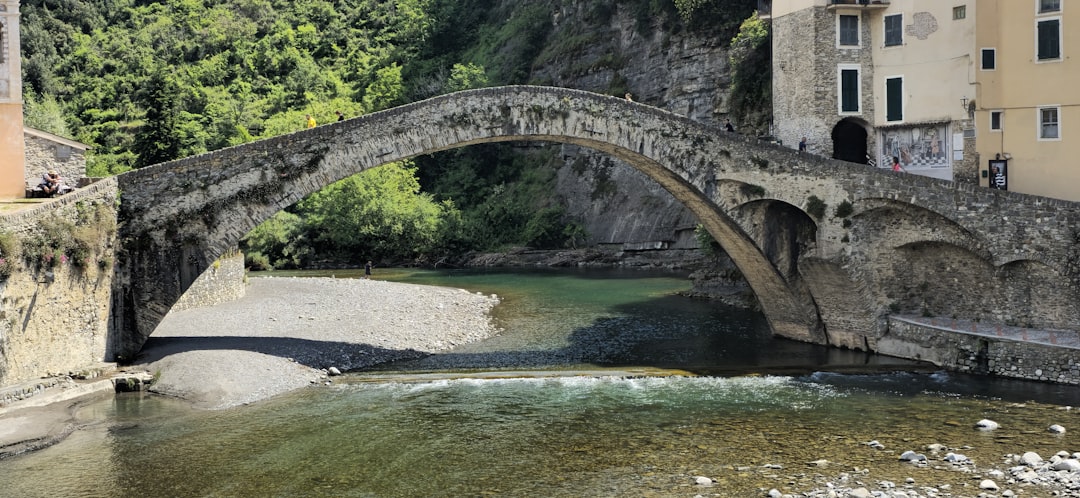
The mechanism is as simple as it is spectacular. A structure made of iron, about 45 meters tall, rises above the river, and from it hangs, via steel cables, a mobile platform — the gondola — that transports passengers, cyclists, and even cars from one bank to the other in just under two minutes. The main span measures about 160 meters, enough to allow ships to pass under the structure without any obstacles.
Looking closely at the gondola, one notices the fascinating contrast between the sturdy metal cables that support it and the almost airy lightness of its movement. The wrought iron structure of the tower, with its typical late Victorian lattice beams, is visible in every rusty and restored detail: an open book on the history of European industrial engineering.
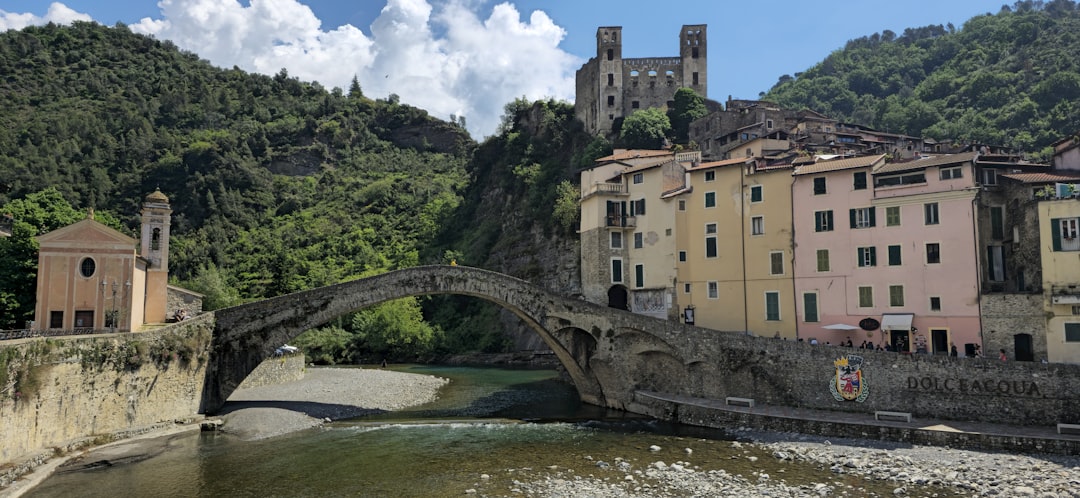
Climbing to the Top: the Pedestrian Walkway
Those who want to experience something even more intense can climb to the pedestrian walkway that runs along the top of the bridge, at almost 45 meters high. From up there, the view of the Nervión estuary, the rooftops of Portugalete, and the green hills surrounding Bilbao is simply breathtaking. Both banks, the abandoned shipyards that tell the industrial past of the region, and, on clear days, the outline of the Bay of Biscay on the horizon are clearly distinguishable.
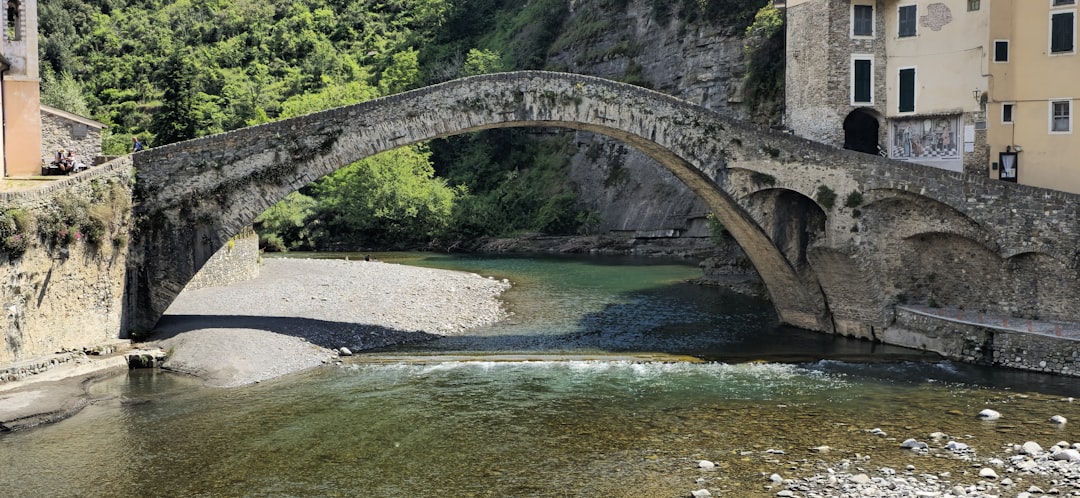
Access to the walkway is via an elevator inside the towers, and the ticket for this experience is separate from that of the gondola. The indicative price for the gondola crossing is around 0.45 euros per person, while access to the upper walkway costs about 10 euros. Very modest figures for an experience that is hard to forget.
The context: Portugalete and Las Arenas

The bridge connects two very different realities. Portugalete, on the western side, is a historic city with a well-preserved medieval center, dominated by the Basilica of Santa María and a long riverside bustling with fish bars and restaurants. Las Arenas, technically the neighborhood of Areeta in the municipality of Getxo, is instead a more residential and bourgeois area, with Liberty-style villas built by Basque industrialists at the turn of the 19th and 20th centuries.
Walking on both banks after crossing the bridge allows one to understand how much this structure has shaped the daily life of the two communities for over a century. The inhabitants still use it today as an ordinary means of transport, not as a tourist attraction: seeing them board the gondola with their bicycle or groceries is one of the most authentic details one can observe.
Practical tips for the visit
The bridge is easily reachable from Bilbao by metro: the Areeta stop is just a few minutes' walk from the Las Arenas bank, while the Portugalete stop serves the other bank. The metro ride from Bilbao takes about twenty minutes. The bridge operates every day with very broad hours, but it is advisable to check the days and hours of operation of the upper walkway on the official website before leaving, as they may vary seasonally.
The best time to visit is early morning on weekdays: you avoid the weekend summer crowds and have the chance to observe local commuters using the gondola as naturally as someone getting on a bus. It is still useful to bring cash coins to purchase the gondola ticket, even though payment methods are being updated. Allow at least two or three hours to visit both banks, go up to the walkway, and take a break in one of the bars in Portugalete.


