
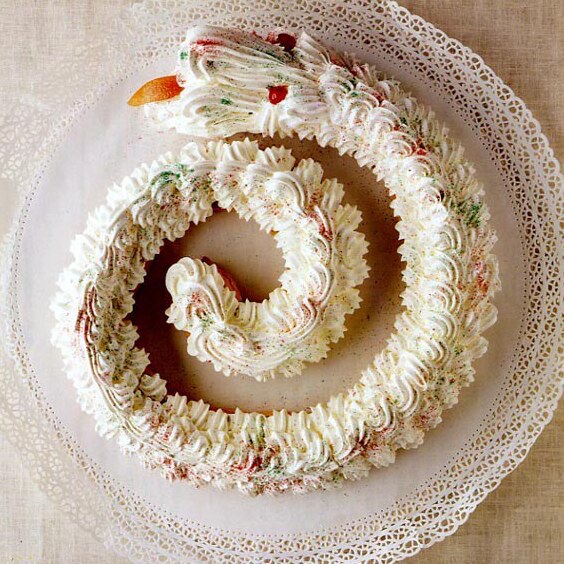

Nestled in the heart of Reggio Emilia, the biscione reggiano is more than just a cake; it is a delightful embodiment of local tradition, history, and culinary art. This snake-shaped delicacy holds a special place in the winter festivities of the region, enchanting locals and visitors alike with its sweet, almond-flavored embrace.
The origins of the biscione reggiano trace back centuries, deeply intertwined with the region's agricultural heritage. Almonds, a key ingredient, have been cultivated in the Mediterranean for millennia, and their introduction to northern Italy heralded a new era of culinary experimentation. The cake's distinctive serpent shape is believed to be inspired by ancient symbols of resilience and renewal, themes that resonate deeply in a land shaped by its historical ebb and flow. Reggio Emilia, a city founded during the Roman era, has seen its fair share of change, from Lombard rule to its pivotal role in the Italian unification movement of the 19th century. Through these transformations, the biscione reggiano has remained a steadfast symbol of local identity.
The city's artistic landscape is as rich as its gastronomic offerings. Reggio Emilia is renowned for its Romanesque architecture, epitomized by the Cathedral of Reggio Emilia, whose façade is adorned with intricate sculptures and reliefs. In this setting, art and architecture blend seamlessly, much like the flavors in the biscione. The Museo del Tricolore houses the original Italian flag, a testament to the city's vital role in the birth of the nation. Art here is not just an aesthetic pursuit but a deeply embedded cultural narrative.
Local customs in Reggio Emilia reflect a tapestry of traditions that are celebrated with gusto. The Fiera di San Prospero, held every November 24th, honors the city's patron saint. It is during this time that the biscione reggiano takes center stage, alongside other regional specialties. The festival is a vibrant display of local crafts, music, and culinary delights, drawing visitors eager to partake in the communal spirit of the event.
Beyond the biscione, Reggio Emilia's gastronomy is a celebration of its agricultural bounty. The region is famous for its Parmigiano Reggiano, a cheese that has earned a global reputation for excellence. Pair this with traditional balsamic vinegar from nearby Modena, and you have a culinary pairing that speaks volumes about the region's dedication to quality and tradition. Local wines, such as the sparkling Lambrusco, provide a perfect complement, adding a touch of effervescence to any meal.
For those willing to explore further, Reggio Emilia offers a host of hidden gems. A lesser-known curiosity is the city's network of underground tunnels, remnants of ancient water systems and wartime bunkers, which tell stories of resilience and adaptation. Visitors can also discover the Libreria All'Arco, a bookshop housed in a former church, where the sacred and the secular coexist in a uniquely Italian fashion. These details add layers of intrigue to a city that often flies under the tourist radar.
When planning a visit, the best time to experience Reggio Emilia's charm is during the late fall and winter months, coinciding with the Fiera di San Prospero and the peak season for the biscione reggiano. Travelers should take the time to wander the cobblestone streets of the historic center, where every corner reveals a new story or hidden café. It's advisable to engage with locals, who are often eager to share the rich stories of their city over a slice of biscione and a glass of Lambrusco.
Whether indulging in the culinary delights or exploring the historical depths of Reggio Emilia, the biscione reggiano serves as a delectable gateway into the heart of this vibrant Italian region. Each bite is a reminder of the city's storied past and an invitation to be part of its ongoing narrative.


