
← Back

Bitterballen - One of Dutch top foods

Paesi Bassi ★★★★☆ 587 views
Sofie Dequenne
🏆 AI Trip Planner 2026

Get the free app

Discover the best of {city} with Secret World — the AI trip planner with 1M+ destinations. Get personalized itineraries, hidden gems and local tips. Free on iOS & Android.

🧠 AI Itineraries 🎒 Trip Toolkit 🎮 KnowWhere Game 🎧 Audio Guides 📹 Videos
Download on the App Store Get it on Google Play
Scan to download Scan to download
Bitterballen - One of Dutch top foods | Secret World Trip Planner

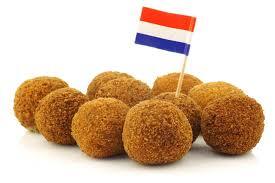
Bitterballen are not just a snack; they are a symbol of Dutch culinary culture that embodies the spirit of conviviality in the Netherlands. Often found gracing the menus of local pubs and restaurants, these delectable meatballs serve as a beloved accompaniment to drinks and social gatherings. But how did this delightful dish come to be? The story of Bitterballen weaves through the rich tapestry of Dutch history, culinary evolution, and cultural traditions.

### History and Origins The roots of Bitterballen can be traced back to the 17th century, a period often referred to as the Dutch Golden Age. This era saw the flourishing of trade, art, and cuisine in the Netherlands. Originally, Bitterballen emerged from the concept of croquettes, which were introduced to the Dutch palate from France. The earliest versions were made from leftover meat, a common practice that aligns with the Dutch ethos of minimizing waste.

Over time, the recipe evolved, with beef becoming the primary ingredient, alongside a mix of broth, flour, butter, and a variety of herbs. The dish became a staple in bars and taverns, where it was served as part of a bittergarnituur, a selection of savory snacks designed to complement drinks. This culinary tradition reflects the Dutch love for socializing over food and drink, making Bitterballen a beloved icon of Dutch cuisine.

### Art and Architecture While Bitterballen themselves may not be tied to a specific architectural style, their presence in local taverns and cafes showcases the inviting ambiance characteristic of Dutch public spaces. Many bars, known as bruin cafés, are adorned with dark wood interiors and vintage decor, creating a cozy atmosphere that is perfect for enjoying these tasty bites. The artwork often found in these establishments, from traditional Dutch paintings to modern interpretations, adds to the cultural significance of the snack.

### Local Culture and Traditions In the Netherlands, food is integral to social interaction and community bonding. Bitterballen are often enjoyed during happy hour, at family gatherings, or during major sporting events, particularly when the national soccer team plays. The tradition of sharing food reflects a broader cultural value: the importance of togetherness and hospitality. Festivals celebrating local cuisine, such as the Hollandse Nieuwe Haring Festival, also highlight the significance of food in Dutch culture, although Bitterballen remain a perennial favorite year-round.

### Gastronomy Beyond Bitterballen, Dutch cuisine is rich and varied. Other local favorites include stroopwafels, a sweet syrup-filled waffle, and haring, raw herring typically consumed with onions. The drink of choice to accompany Bitterballen is often a refreshing Dutch beer, with brands like Heineken and Amstel being particularly popular. For those seeking non-alcoholic options, Dutch apple pie and strong coffee are also commonly enjoyed alongside these savory snacks.

### Lesser-known Curiosities Bitterballen come with intriguing tidbits that many tourists may overlook. For instance, the type of meat used can vary by region, with some places offering vegetarian versions made from mushrooms. Furthermore, there are competitions held in the Netherlands to determine which café serves the best Bitterballen, showcasing the pride and passion that locals have for their culinary heritage.

Another surprising fact is that these meatballs are often served with a unique twist: some establishments add creative fillings, such as truffle or cheese, elevating the traditional recipe to new gourmet heights. This innovation not only reflects the creativity of Dutch chefs but also the evolving tastes of modern diners.

### Practical Visitor Information For those eager to indulge in the delightful world of Bitterballen, the best time to visit the Netherlands is during the spring and summer months when outdoor terraces come alive with locals and tourists alike. Cities like Amsterdam, Rotterdam, and Utrecht boast numerous bars where you can experience this dish in its authentic form.

When visiting, consider trying out different variations of Bitterballen at local cafes to appreciate the subtle differences in flavor and texture. Additionally, be sure to pair them with a local beer for the complete experience. A tip for visitors: don’t shy away from asking locals for their favorite spots to enjoy this classic dish—insider recommendations often lead to the most memorable culinary adventures.

In conclusion, Bitterballen are more than just a snack; they are a delicious embodiment of Dutch culture, history, and tradition. Whether you are sipping beer in a bruin café or enjoying them at a festive gathering, these crispy meatballs will surely leave a lasting impression. For a personalized itinerary that includes the best spots to savor Bitterballen, consider using the Secret World app to plan your visit.

Buy Unique Travel Experiences

Powered by Viator

See more on Viator.com

Explore nearby
