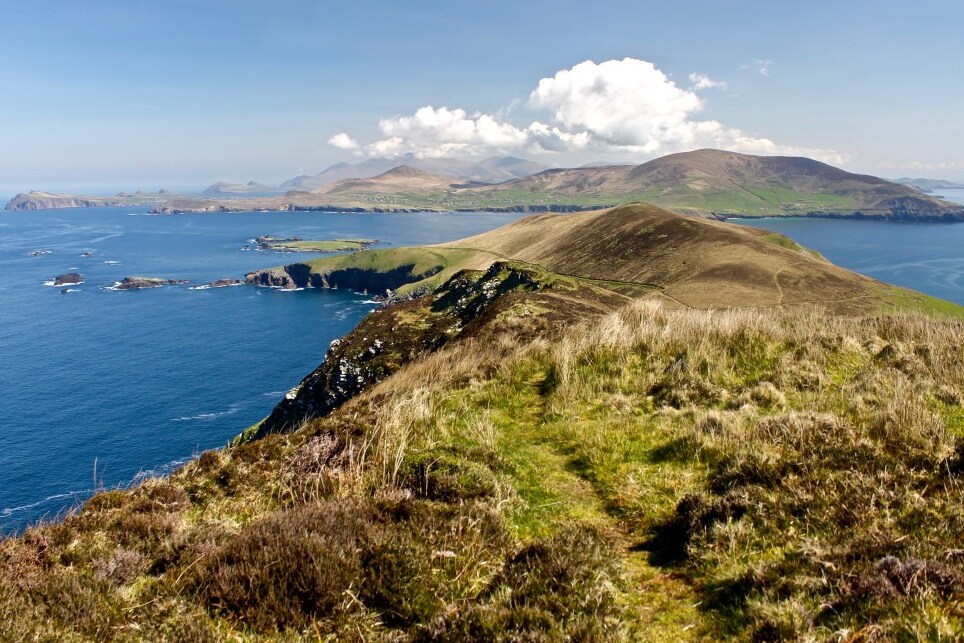
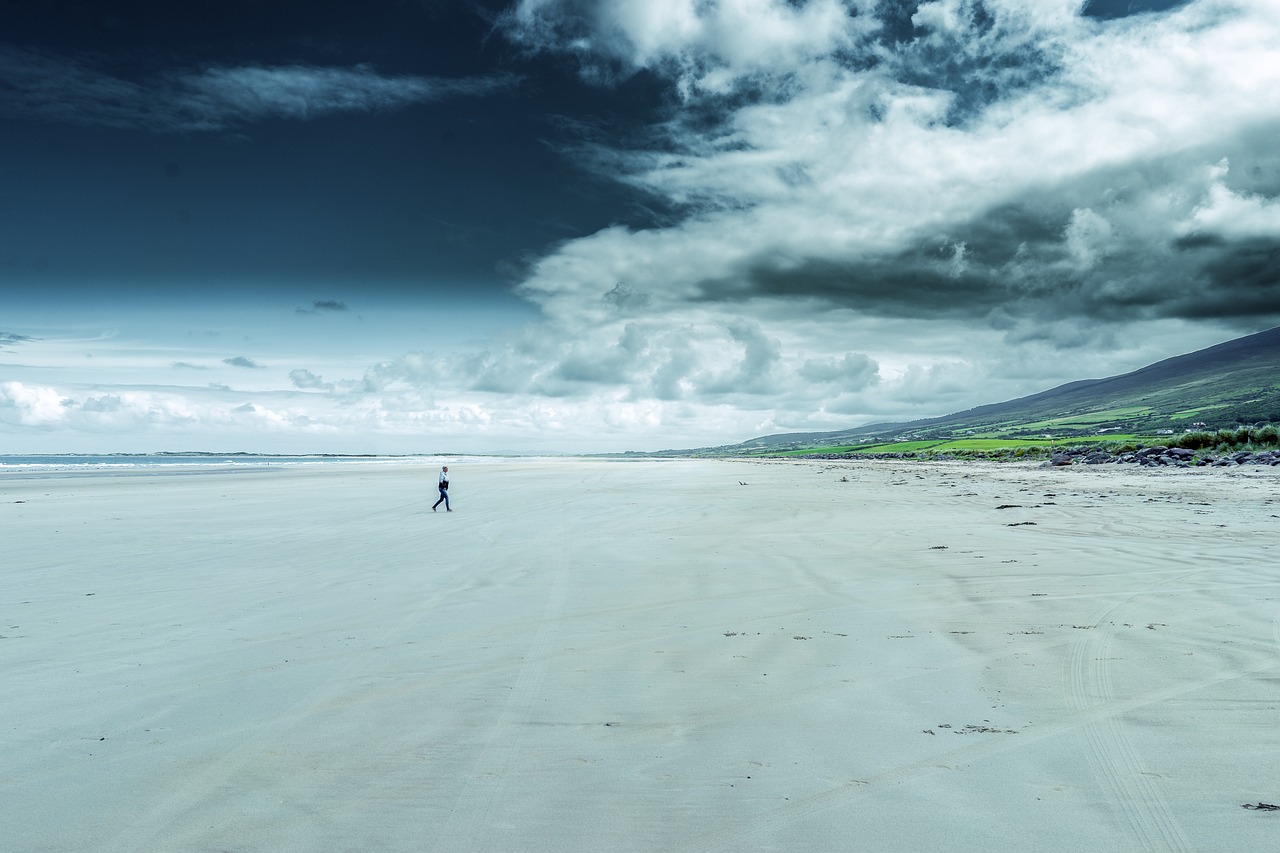

Utterly exposed to the thrash of the Atlantic Ocean, the resilient Blasket Islands are a pristine archipelago off the western shores of Ireland. The isolated islands charm the curious at heart with wind-swept grassy fields, deeply carved cliffs, and turquoise beach shorelines, all interwoven with an intriguing story. When seas are calm, Great Blasket Island can be accessed regularly by ferry for visiting hikers and historians.
### History and Origins The Blasket Islands have a rich tapestry of history that stretches back thousands of years. Archaeological evidence suggests that these islands were inhabited as far back as the Neolithic period, with remnants of ancient forts and early Christian monastic sites dotting the landscape. The islands were formally settled in the early 19th century, with Great Blasket Island becoming home to a thriving community of Irish speakers.
Throughout the 20th century, the islands underwent significant changes. The population peaked in the 1950s, reaching around 175 residents, primarily engaged in fishing and farming. However, the isolation and challenges posed by the harsh Atlantic weather led to the gradual abandonment of the islands, with the last permanent inhabitants leaving in 1953. Today, Great Blasket Island stands as a poignant reminder of the resilience and tenacity of its former residents.
### Art and Architecture The architectural style of the Blasket Islands is modest yet functional, reflecting the lifestyle of its inhabitants. Traditional stone cottages, with their thatched roofs and whitewashed walls, are scattered across the landscape, often built to withstand the fierce winds that sweep across the islands. The most iconic structure is the abandoned schoolhouse on Great Blasket Island, which showcases the importance of education in the Irish language and culture during the early 20th century.
Art on the islands is deeply connected to the local landscape and life. Notable artists and writers, such as Tomás Ó Criomhthain and Maurice O’Sullivan, emerged from the islands, capturing the essence of island life through their poignant literature and storytelling. Their works remain significant in Irish literature, providing a window into the cultural heritage of the Blaskets.
### Local Culture and Traditions The Blasket Islands are steeped in unique customs and traditions that reflect their rich Gaelic heritage. Although their population has dwindled, the spirit of the community is alive through festivals and local gatherings. One of the most cherished events is the Blasket Islands Cultural Festival, held annually in July, celebrating the islands’ history, music, storytelling, and traditional crafts.
Traditional Irish music sessions echo through the landscape, often held in the ruins of former homes or the remaining community structures. Dance and song are integral to the islands' cultural fabric, fostering a strong connection among the remaining locals and visitors alike.
### Gastronomy The Blasket Islands offer a culinary experience that is as authentic as its landscape. The local gastronomy is heavily influenced by the surrounding Atlantic, with an emphasis on fresh seafood. Dingle Bay crab, mackerel, and lobster are staples, often served in traditional dishes that highlight their natural flavors.
For those with a sweet tooth, blasket bread, a hearty soda bread, is a must-try, perfectly paired with locally churned butter. Visitors can also enjoy a warming cup of Irish tea, which has long been a comfort for the islanders, especially during the cooler months.
### Lesser-known Curiosities Many visitors to the Blasket Islands are unaware of the fascinating history of the island’s last inhabitants. The islands were home to a vibrant oral tradition, with stories passed down through generations. One curious tale involves the Blasket Island's ghost, said to wander the hills on foggy nights, a remnant of the island's rich folklore.
Additionally, the islands have been a significant site for marine wildlife, attracting birdwatchers and nature enthusiasts. The cliffs serve as nesting grounds for seabirds like the puffin and guillemot, making it a hidden paradise for nature lovers.
### Practical Visitor Information The best time to visit the Blasket Islands is during the summer months, from June to September, when ferry services are most reliable. The crossing can be turbulent, so it's advisable to check the weather conditions beforehand. Once on the islands, hiking trails offer breathtaking views of the rugged coastline and opportunities to explore the remnants of the old village.
When visiting, be sure to bring sturdy footwear, a camera, and an open heart ready to embrace the stories of those who once called these islands home. Don't forget to observe the local wildlife, and take a moment to breathe in the unspoiled beauty of this remote paradise.
The Blasket Islands are not just a destination; they are a journey into Ireland's past and a celebration of its enduring culture. For a truly personalized experience, consider using the Secret World app to plan your itinerary and uncover the hidden gems of this enchanting archipelago.
