



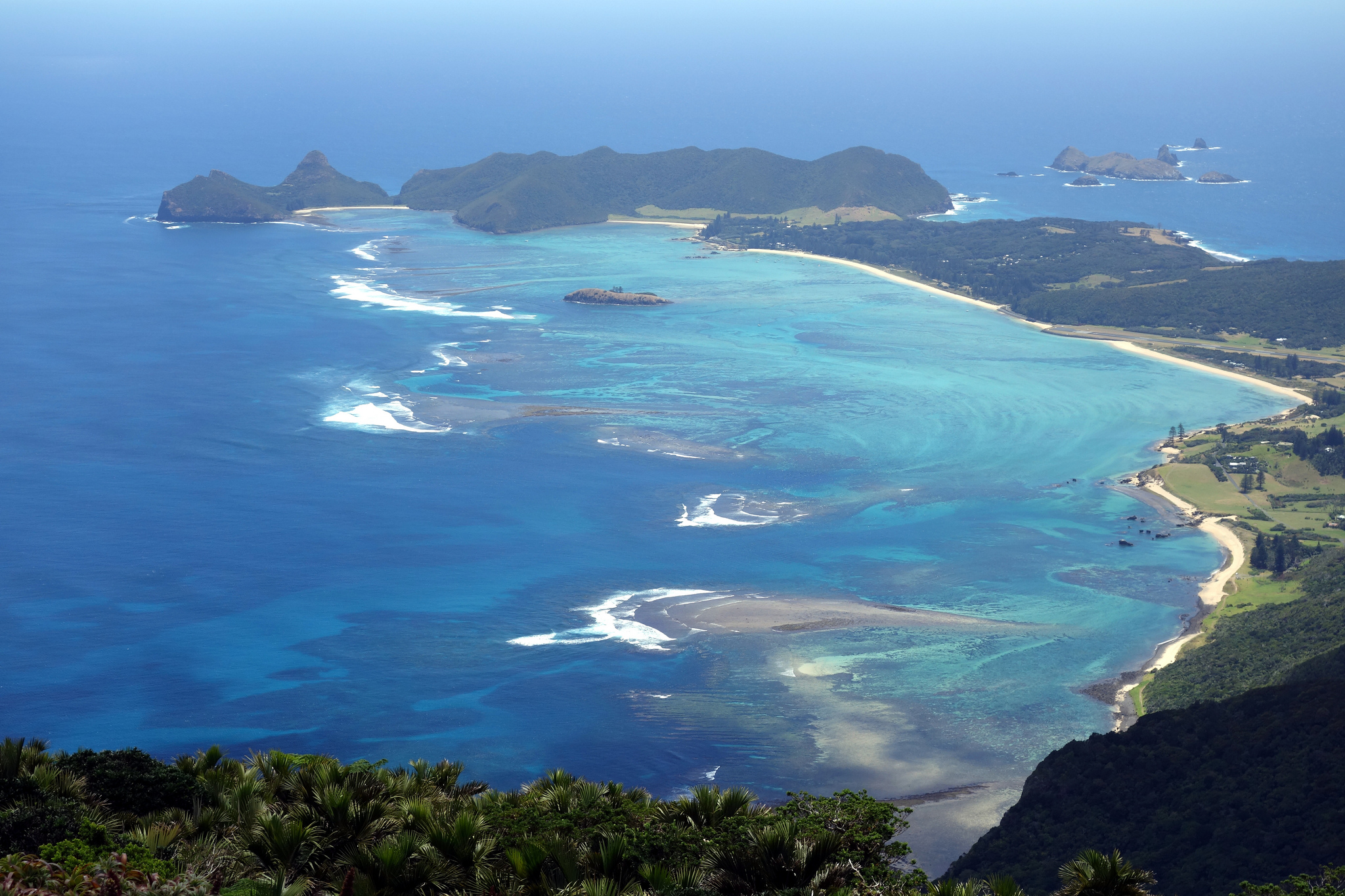
Nestled on the eastern side of Lord Howe Island, Blinky Beach is a stunning stretch of sand and surf that promises both adventure and tranquility. This remote island, a UNESCO World Heritage site located approximately 600 kilometers off the coast of New South Wales, Australia, is a treasure trove of natural beauty and cultural richness. The beach itself, with its pristine white sands and azure waters, offers a glimpse into the island’s unique history and vibrant local culture.
Lord Howe Island was discovered by Lieutenant Henry Lidgbird Ball in 1788, and soon after, it became a stopover for whaling ships and a resource for provisioning. Over the centuries, the island developed a small but vibrant community, known for its commitment to preserving the natural environment. This dedication is evident in the untouched beauty of Blinky Beach, which remains a favorite spot for both locals and visitors seeking to ride some of Australia’s least crowded waves.
While Lord Howe Island is not known for grand architectural feats, its structures reflect the island’s harmonious relationship with nature. The architecture is characterized by modest, eco-friendly buildings that merge seamlessly with the lush landscape. Many of the homes and lodges are built using local materials, offering a rustic yet comfortable charm. Artistic significance on the island is often found in the small galleries and craft shops, where local artisans showcase works inspired by the island’s stunning scenery and unique biodiversity.
The island's culture is a tapestry woven with the threads of its history and the natural world. The local community holds a deep respect for the environment, which is evident in their sustainable living practices. One of the island's most cherished traditions is the annual Lord Howe Island Festival, held in March. This event celebrates the island's heritage with music, dance, and storytelling, bringing together locals and visitors in a joyful expression of island life.
Gastronomy on Lord Howe Island is a delightful exploration of fresh, local produce. With a focus on sustainability, the island’s cuisine features seafood caught fresh from the surrounding waters, such as kingfish and tuna, often served with locally grown vegetables. One must-try dish is the island's take on fish and chips, a simple yet delicious representation of the local culinary scene. For a unique taste, try the local specialty, Kentia Palms, which are often incorporated into salads or as a garnish.
Beneath the surface of Blinky Beach’s allure lie lesser-known curiosities that enrich the visitor experience. The beach is a nesting ground for the rare Flesh-footed Shearwater, known locally as the muttonbird. Each year, thousands of these birds return to Lord Howe Island to breed, offering a fascinating spectacle for birdwatchers. Additionally, the island’s waters are home to over 500 species of fish and 90 species of coral, making snorkeling and diving off Blinky Beach an unforgettable adventure.
For those planning a visit, the best time to explore Blinky Beach is between September and May, when the weather is warm and the seas are inviting. However, it's important to note that visitor numbers are limited to preserve the island’s delicate ecosystem, so booking in advance is essential. When at the beach, look out for the striking Mount Gower and Mount Lidgbird that frame the island’s skyline, providing a stunning backdrop to the beach’s rolling surf.
To fully appreciate Blinky Beach, arrive early to watch the sunrise paint the sky in mesmerizing hues of pink and orange. Pack a picnic and stay for the day, enjoying the serenity of the island and the friendly atmosphere of the local community. Whether you’re catching waves, exploring the rich marine life, or simply soaking up the sun, Blinky Beach offers a truly immersive experience in one of the world’s most pristine environments.
