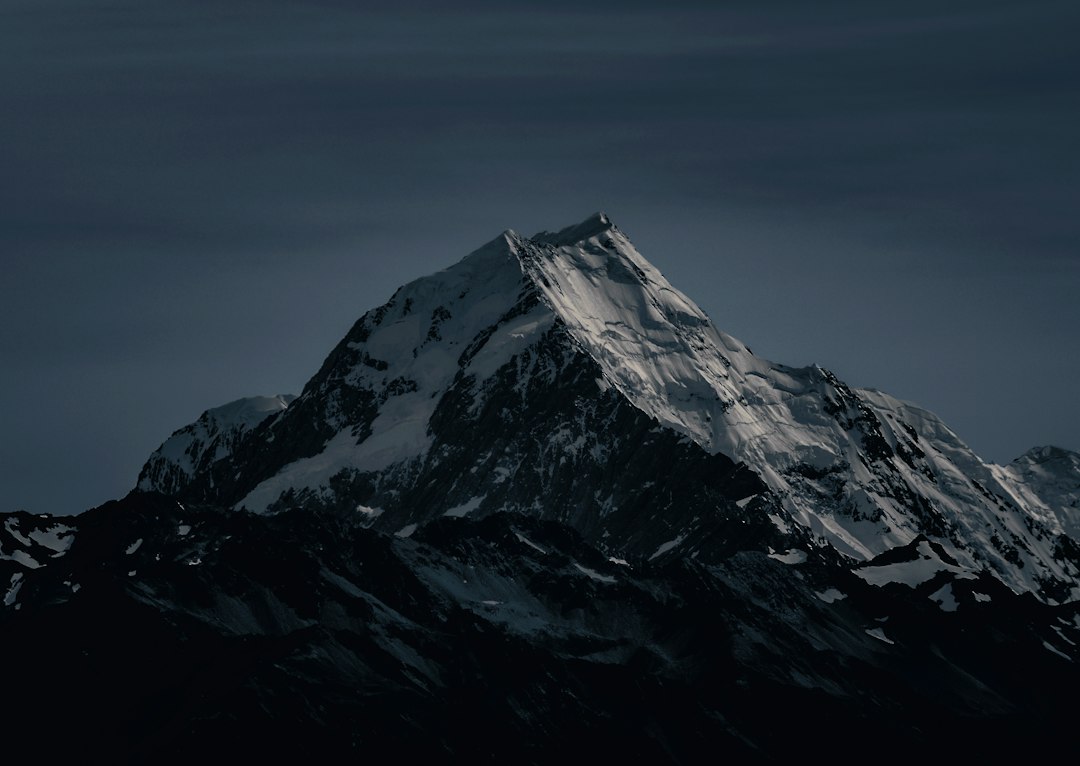

At 2,256 meters above sea level, Blue Mountain Peak is the highest point in Jamaica. When you reach the summit in the early morning hours, on clear days you can glimpse the coast of Cuba, about 210 kilometers away. It is not a guaranteed sight, but those who catch it remember it forever. The path to get there crosses one of the richest ecosystems in the Caribbean, where the tropical forest gradually gives way to the cloud forest, almost constantly shrouded in a blanket of low clouds that maintains humidity and regulates temperature.
The Blue Mountains, along with the John Crow Mountains, form a mountain system that was inscribed on the UNESCO World Heritage List in 2015, a recognition that has solidified the protection of a territory where hundreds of endemic species live. The parish of Portland, which hosts this area, is one of the rainiest regions of the island, and it is this abundance of water that fuels the extraordinary plant density that characterizes every trail.
The biodiversity of the cloud forest
The Blue and John Crow Mountains National Park protects over 41,000 hectares of forest. Walking along the trails, one encounters tree ferns that can exceed six meters in height, wild orchids clinging to moss-covered trunks, and a variety of bromeliad plants that collect rainwater in their corollas. The air is thick with humidity and the soil is soft, covered by a thick layer of decomposed leaves that nourish a continuous biological cycle.
Jamaica is home to about 300 species of birds, many of which are found in the Blue Mountains. The Jamaican mango hummingbird is one of the most frequently spotted along the trails, but the most iconic bird of this area is the Streamer-tailed Hummingbird, which is also the national bird of Jamaica. Naturalists report the presence of numerous endemic frog species of the genus Eleutherodactylus, some of which are only visible in this mountainous region.
The trek to the summit
The most common route starts from the village of Penlyne Castle or from the Whitfield Hall station, a historic shelter located at about 1,300 meters above sea level that offers basic accommodation for those who want to tackle the night ascent. The distance from the station to the summit is about 8 kilometers, with a significant elevation gain on often muddy trails. Most hikers set off around two or three in the morning to reach the top at dawn, when temperatures can drop close to 10 degrees Celsius — much colder than one would expect on a Caribbean island.
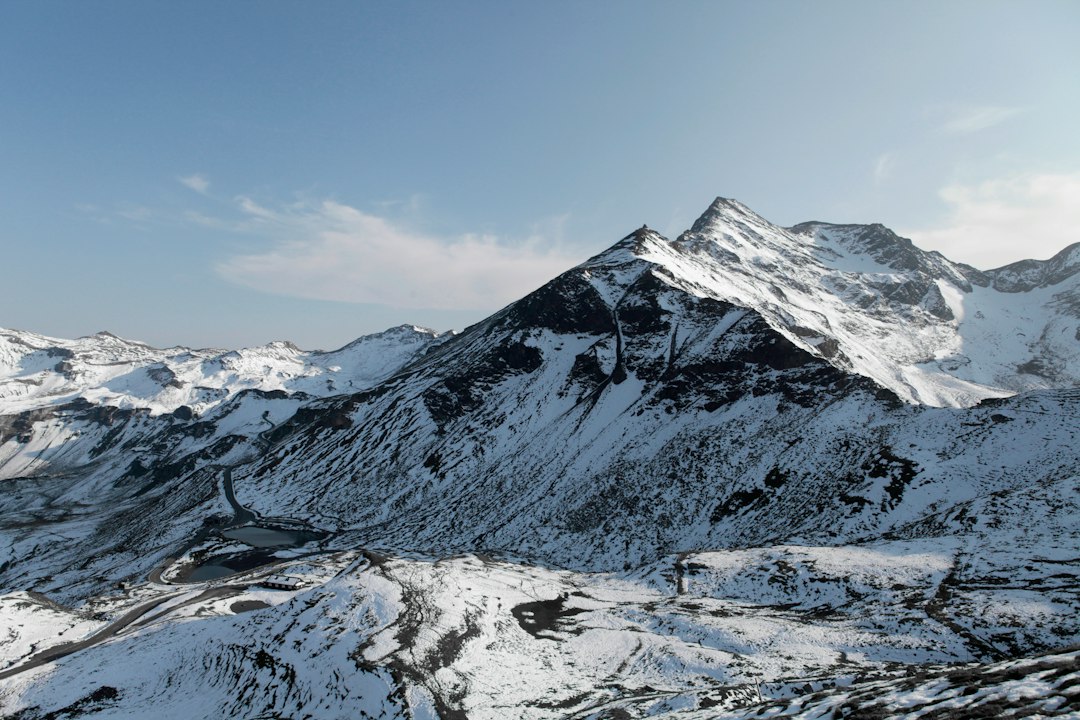
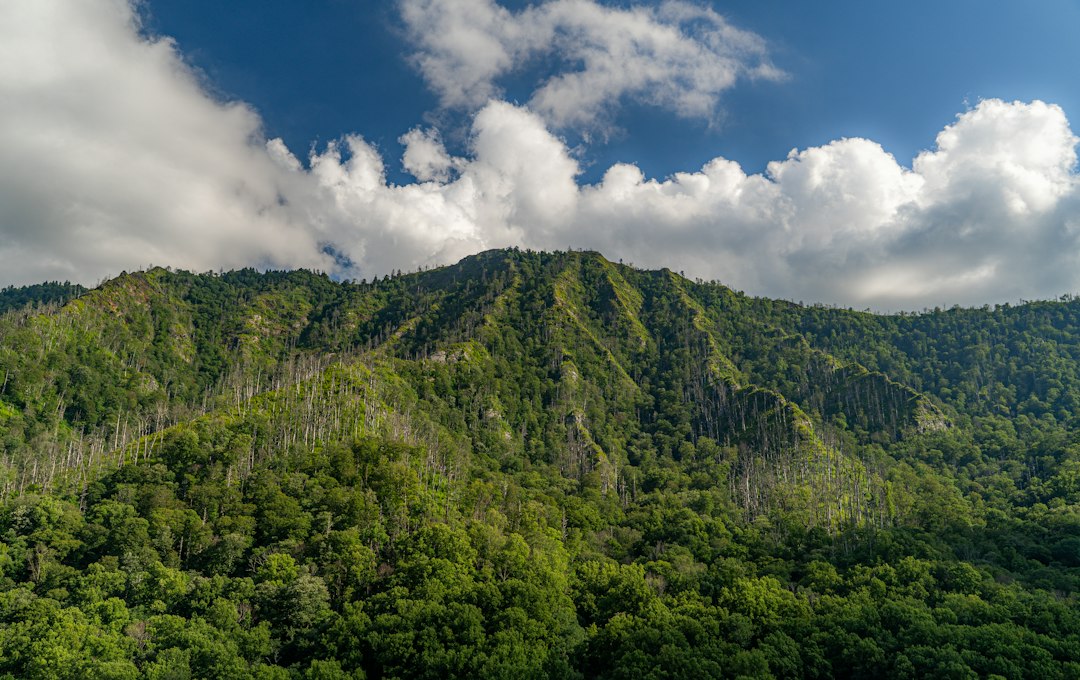
The trail crosses several vegetation zones that visibly change with altitude. Above 1,500 meters, the trees become shorter and twisted, wrapped in lichens and mosses. In the more open sections, during the morning hours, it is possible to observe the clouds moving rapidly between the peaks, creating plays of light and shadow on the underlying vegetation. It is advisable to bring a lightweight raincoat, regardless of the season, because precipitation can arrive suddenly even on seemingly serene days.
The Coffee Plantations
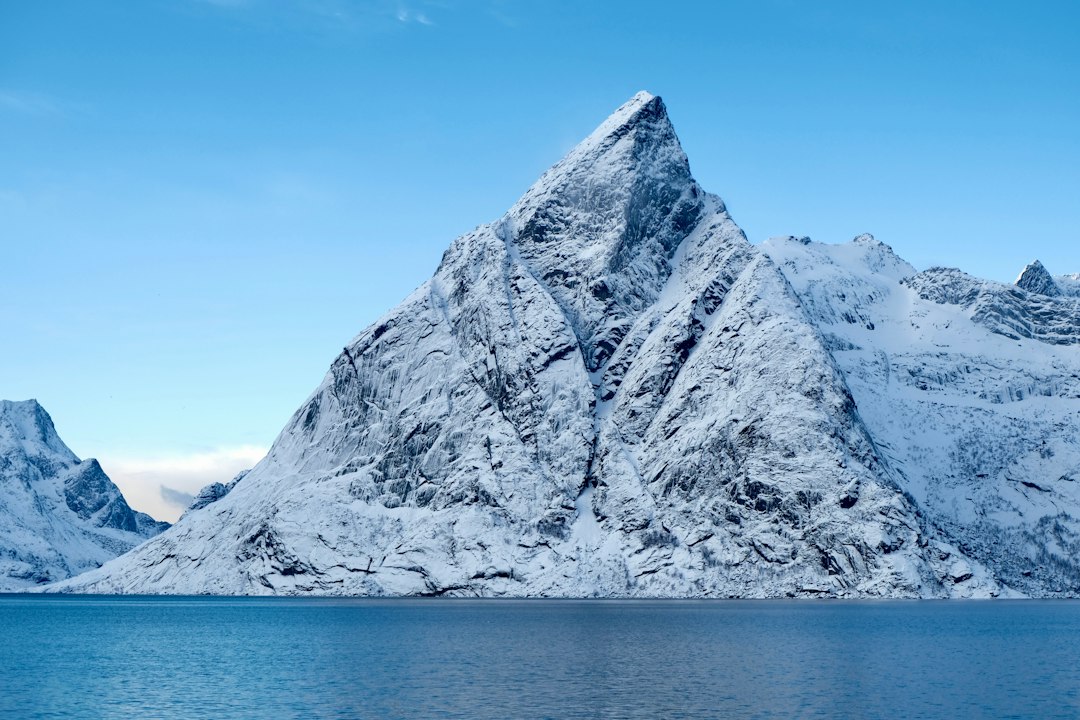
The slopes of the Blue Mountains, between 900 and 1,700 meters in altitude, host the plantations that produce Blue Mountain Coffee, one of the most appreciated and expensive coffees in the world. The climatic conditions of this area — mild temperatures, frequent rains, draining volcanic soil — create an ideal environment for the cultivation of the arabica variety. Some plantations, such as Craighton Estate or Mavis Bank Coffee Factory, welcome visitors and allow them to see the stages of processing the beans, from hand-picking to fermentation to drying.
The coffee produced in this region is subject to a protected geographical designation: only the beans grown within precise geographical boundaries, in the parishes of Portland, Saint Andrew, Saint Thomas, and Saint Mary, can be labeled as Blue Mountain Coffee. A cup tasted directly in one of the local plantations has a significantly different aromatic profile from that of the exported product.
Practical tips for the visit
To reach the starting area of the trek from Kingston, the capital, you take a mountain road that takes about two hours to drive, with narrow and winding sections that require attention. It is strongly recommended to hire a certified local guide, both for safety reasons and to avoid losing the less marked trails. Entrance to the park requires a fee, and rates may vary: it is useful to check for updated information at the Jamaica Conservation and Development Trust, the agency that manages the park. The dry season, from December to April, generally offers more favorable conditions for trekking, although clouds are present almost all year round.