




The Blue Nile Falls, known locally as Tis Abay, is a breathtaking natural wonder located on the Blue Nile River in Ethiopia. Renowned for its stunning cascades and rich cultural significance, this site has captivated visitors for centuries. Situated approximately 30 kilometers downstream from Bahir Dar, near the shores of Lake Tana, the falls have been a source of inspiration and reverence throughout Ethiopian history.
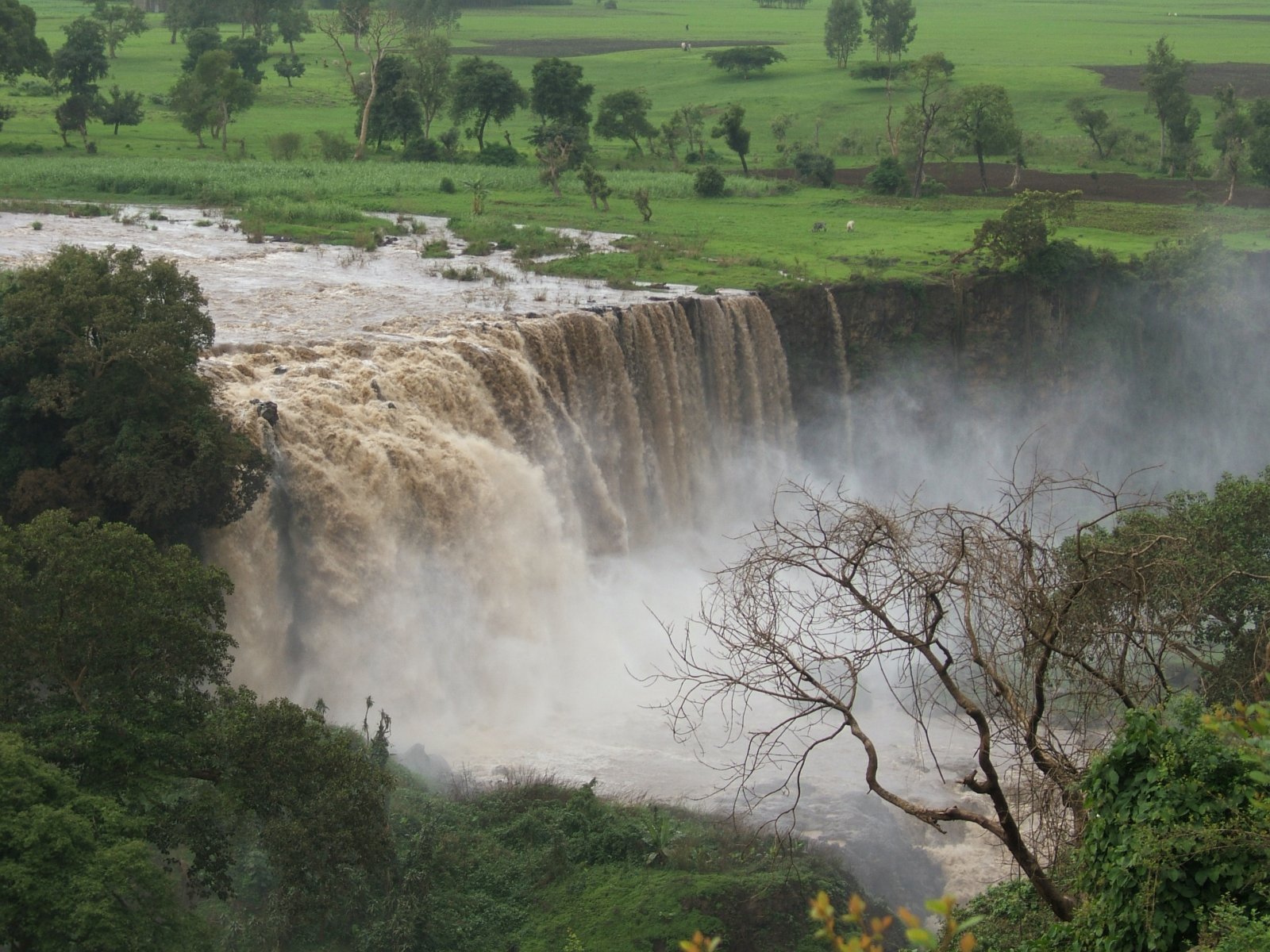
### History and Origins The Blue Nile Falls has a storied past that dates back to ancient times. The Nile is one of the longest rivers in the world, and its tributaries, including the Blue Nile, have played a crucial role in the development of civilizations in the region. The falls have been a significant site since the time of the Aksumite Empire, which thrived from approximately 100 AD to 940 AD. The river's waters were vital for agriculture and trade, making the falls a natural landmark.
In the 19th century, the falls gained international attention when Scottish explorer James Bruce visited them in 1770 and documented their grandeur. His writings brought the falls to the attention of the Western world, and since then, they have come to symbolize Ethiopia's rich natural beauty.

### Art and Architecture While the Blue Nile Falls is primarily a natural wonder, its surroundings offer glimpses into Ethiopian art and architecture. The nearby monasteries on Lake Tana are home to ancient murals and manuscripts that showcase the country's religious heritage. The artistic significance of these sites is profound, with many frescoes illustrating biblical scenes and local saints.
The architectural style of these monasteries reflects a blend of Ethiopian Orthodox traditions and local craftsmanship. Visitors can admire the intricate wood carvings and colorful ceiling paintings that adorn these sacred spaces, enhancing the overall cultural experience when visiting the falls.
### Local Culture and Traditions The community surrounding the Blue Nile Falls is rich in traditions and customs that reflect Ethiopia's diverse cultural tapestry. The local people, primarily from the Amhara ethnic group, celebrate various festivals throughout the year, with one of the most significant being Timkat (the Ethiopian Orthodox Epiphany). During this festival, locals participate in colorful processions and rituals that commemorate the baptism of Jesus in the Jordan River.
The falls themselves hold cultural importance, often regarded as a sacred site where local people perform rituals and offer prayers for prosperity and fertility. The natural beauty of the falls is intertwined with local myths and legends, adding layers of depth to the visitor experience.
### Gastronomy No visit to the Blue Nile Falls would be complete without indulging in the local cuisine. The region is famous for its traditional Ethiopian dishes, with injera (a spongy flatbread) served alongside various stews known as wot. The Doro Wot (spicy chicken stew) and Misir Wot (spicy lentil stew) are must-tries when exploring the local gastronomy.
In addition to the savory delights, visitors can enjoy a cup of Ethiopian coffee, known for its rich flavor and cultural significance. Traditionally, coffee ceremonies are an integral part of Ethiopian hospitality, providing an opportunity to connect with locals and learn about their customs.
### Lesser-Known Curiosities While the Blue Nile Falls is undoubtedly a popular tourist destination, several lesser-known facts and hidden gems surround this natural wonder. For instance, during the rainy season, the falls can swell dramatically, creating a powerful display that earned it the name Tis Abay, meaning
