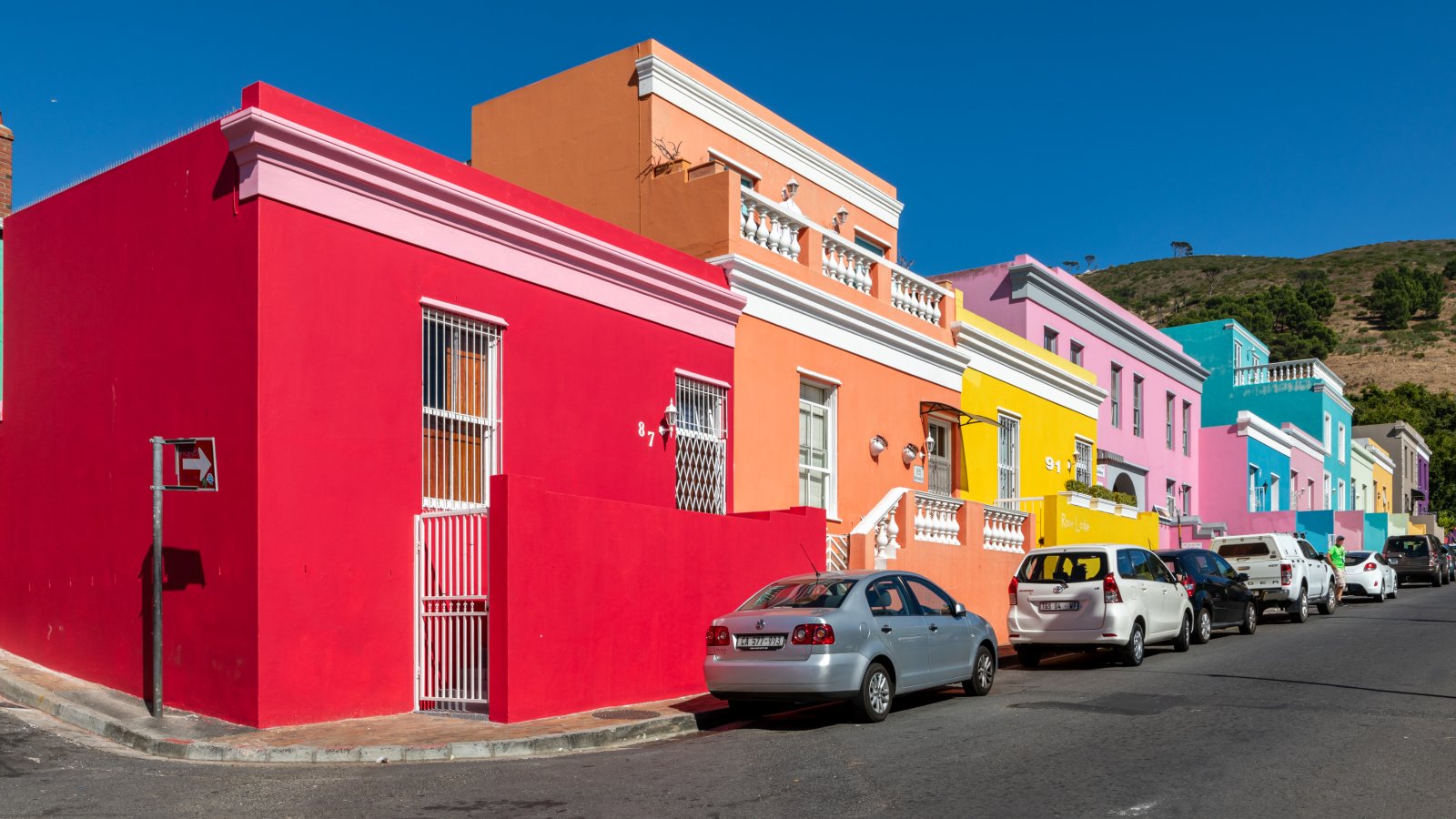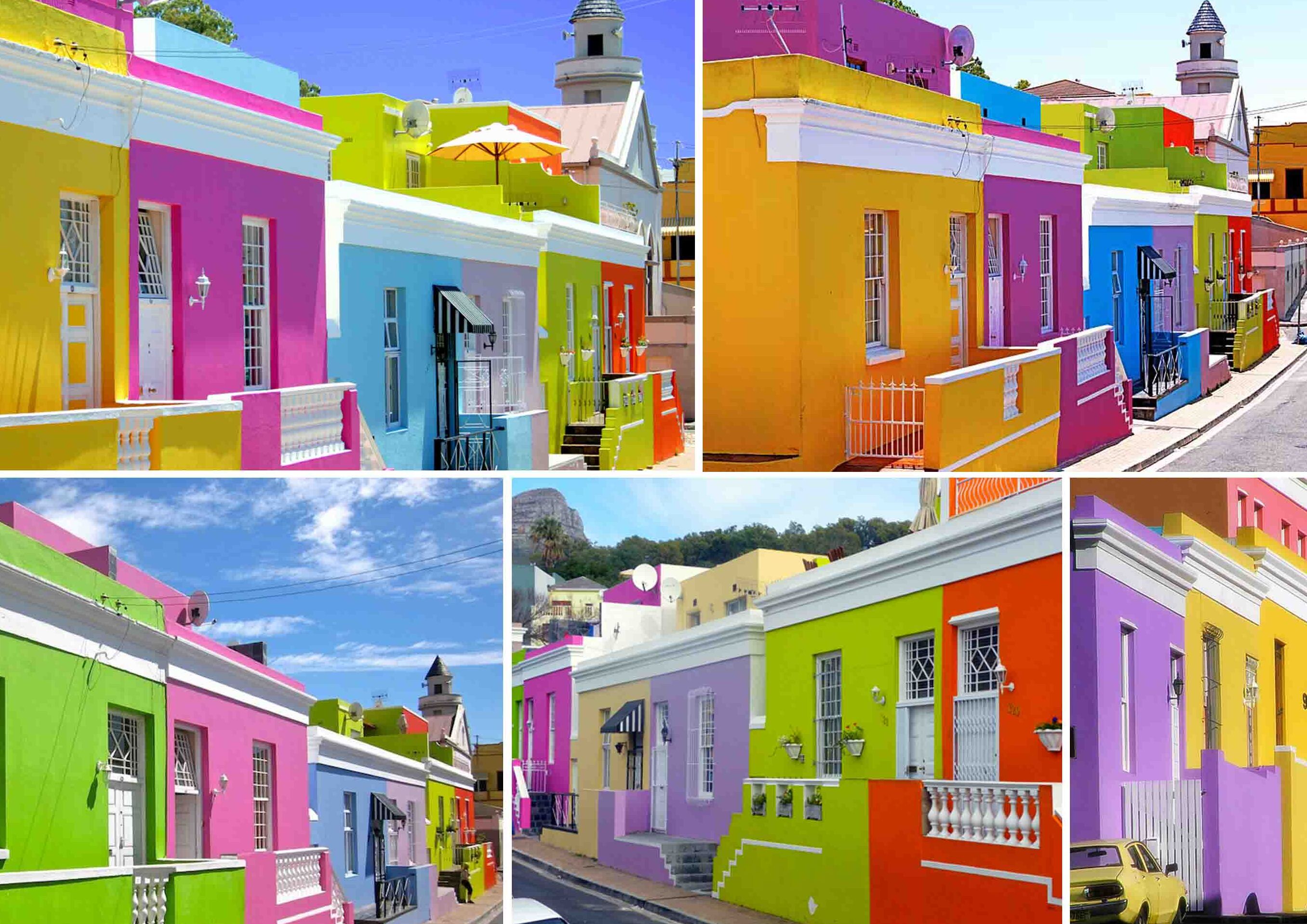

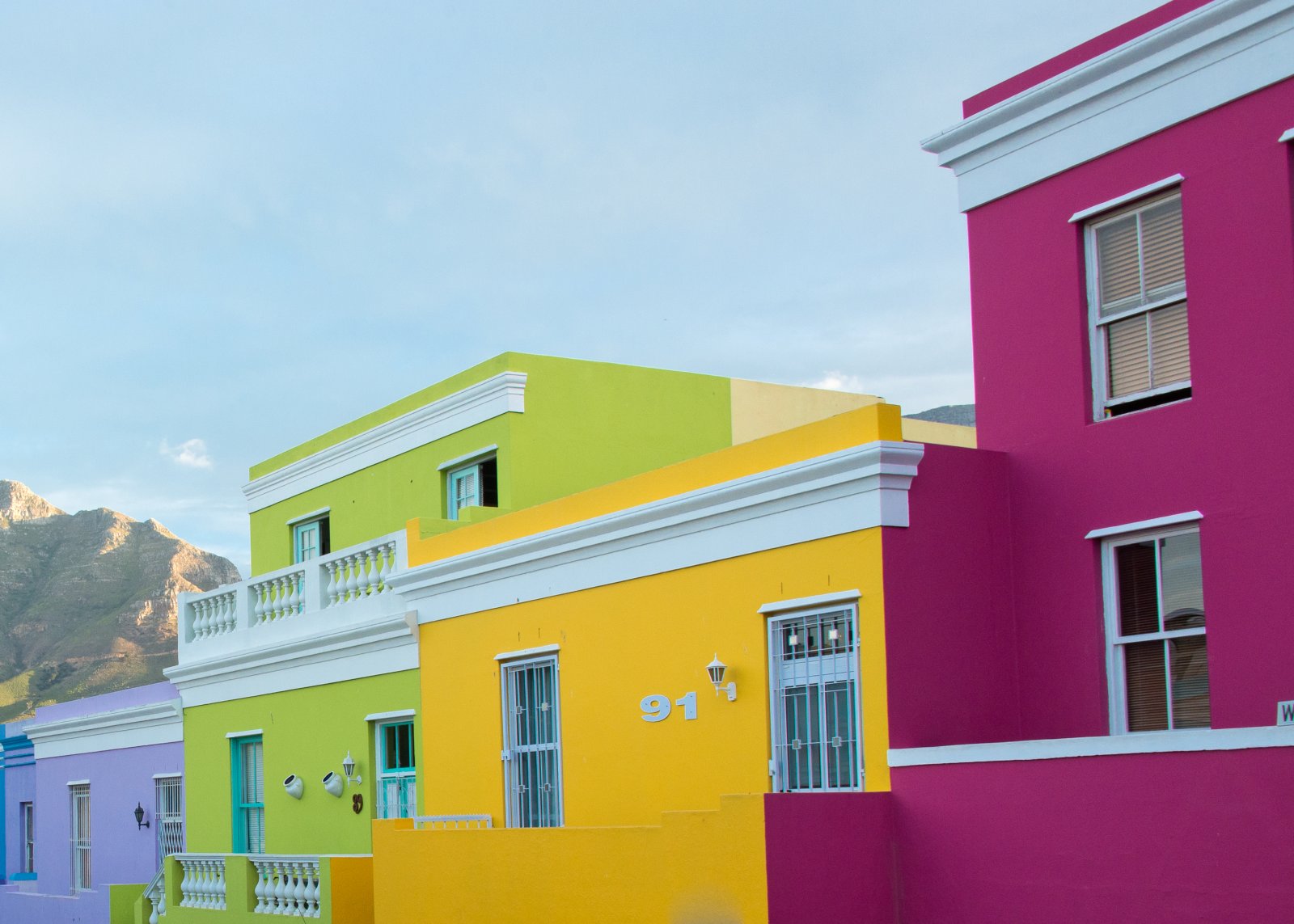
Nestled against the backdrop of Table Mountain, Bo Kaap is one of Cape Town's most vibrant neighborhoods, bursting with culture, history, and color. Known for its brightly painted houses and cobbled streets, this area is a treasure trove of South African heritage that attracts photographers and history buffs alike. But there's a deeper story woven into the fabric of Bo Kaap, rich in Islamic culture and Cape Malay traditions that date back to the 16th century.
### History and Origins The history of Bo Kaap is as colorful as its houses. Originally known as the Malay Quarter, it was established in the 1760s when the Dutch East India Company brought enslaved people from Southeast Asia, particularly from Indonesia and Malaysia. These individuals were often referred to as Cape Malays. The area became a vibrant cultural hub, where the descendants of these early inhabitants established a strong sense of community.
A key historical event occurred in 1966 when the apartheid government designated Bo Kaap as a “whites-only” area, leading to the forced removal of many residents. This act ignited protests and resistance from the local community, showcasing their resilience and connection to the land.
### Art and Architecture The architectural styles in Bo Kaap are a delightful mix of Cape Dutch and Cape Georgian influences, characterized by their symmetrical design and ornate gables. The buildings are painted in a kaleidoscope of colors, which many believe symbolizes the joy and pride of the local community. Notable structures include the Auwal Mosque, the first mosque in South Africa, established in 1794, and the Bo Kaap Museum, a former home that offers a glimpse into the daily lives of the residents.
As you wander through the streets, don’t miss the stunning murals that tell the stories of the community. Local artists often showcase their work on the walls, transforming the streets into an open-air gallery that reflects both tradition and contemporary issues.
### Local Culture and Traditions Bo Kaap is not just a feast for the eyes; it’s also a vibrant center of culture and tradition. The Cape Malay community is known for its rich tapestry of customs, including the celebration of the Cape Malay Choirs Competition and the Eid ul-Fitr festival, which marks the end of Ramadan. During Eid, the streets come alive with celebrations that include colorful parades, traditional music, and delicious food.
The community’s traditions are deeply intertwined with their history. Brahim Omer, a prominent figure in Bo Kaap, played a significant role in preserving the culture through the establishment of the Cape Town Malay Choir. His efforts have helped keep the community’s musical heritage alive, showcasing the unique sounds of ghoema music.
### Gastronomy No visit to Bo Kaap is complete without indulging in its culinary delights. The area is famous for its Cape Malay cuisine, a fusion of flavors influenced by the spices of Southeast Asia. Dishes like bobotie (a spiced meat dish with a custard topping), koeksisters (sweet syrup-coated pastries), and biltong (dried cured meat) are local favorites that tantalize the taste buds.
You can also explore the vibrant markets, where vendors sell samoosas and curry dishes, reflecting the rich culinary heritage of the community. Be sure to stop by Biesmiellah, a popular local eatery where you can savor authentic Cape Malay dishes in a cozy setting.
### Lesser-Known Curiosities While many tourists flock to the iconic streets of Bo Kaap for photographs, there are hidden gems that often go unnoticed. For instance, the Cape Malay Architecture Walking Tour reveals the stories behind each home, including how the color of each house was chosen. Another fascinating fact is that the Bo Kaap was once home to the famous anti-apartheid activist Zainab Asvat, who played a crucial role in the fight for social justice.
Also, the neighborhood is known for its “secret” gardens, tucked away behind the houses. These private spaces often feature traditional herbs and plants used in Malay cooking, offering a glimpse into the culinary traditions of the community.
### Practical Visitor Information The best time to visit Bo Kaap is during the spring (September to November) and autumn (March to May) when the weather is mild and perfect for exploring. Early mornings or late afternoons are ideal for photography, as the soft light enhances the colors of the houses.
When visiting, take time to chat with the locals, many of whom are eager to share their stories and heritage. A guided walking tour can provide deeper insights into the area’s history and culture, making your visit even more enriching.
In summary, Bo Kaap is a vibrant tapestry of history, culture, and culinary delights. To experience its unique charm fully, consider using the Secret World app for a personalized itinerary that will help you uncover the hidden treasures of Cape Town.