



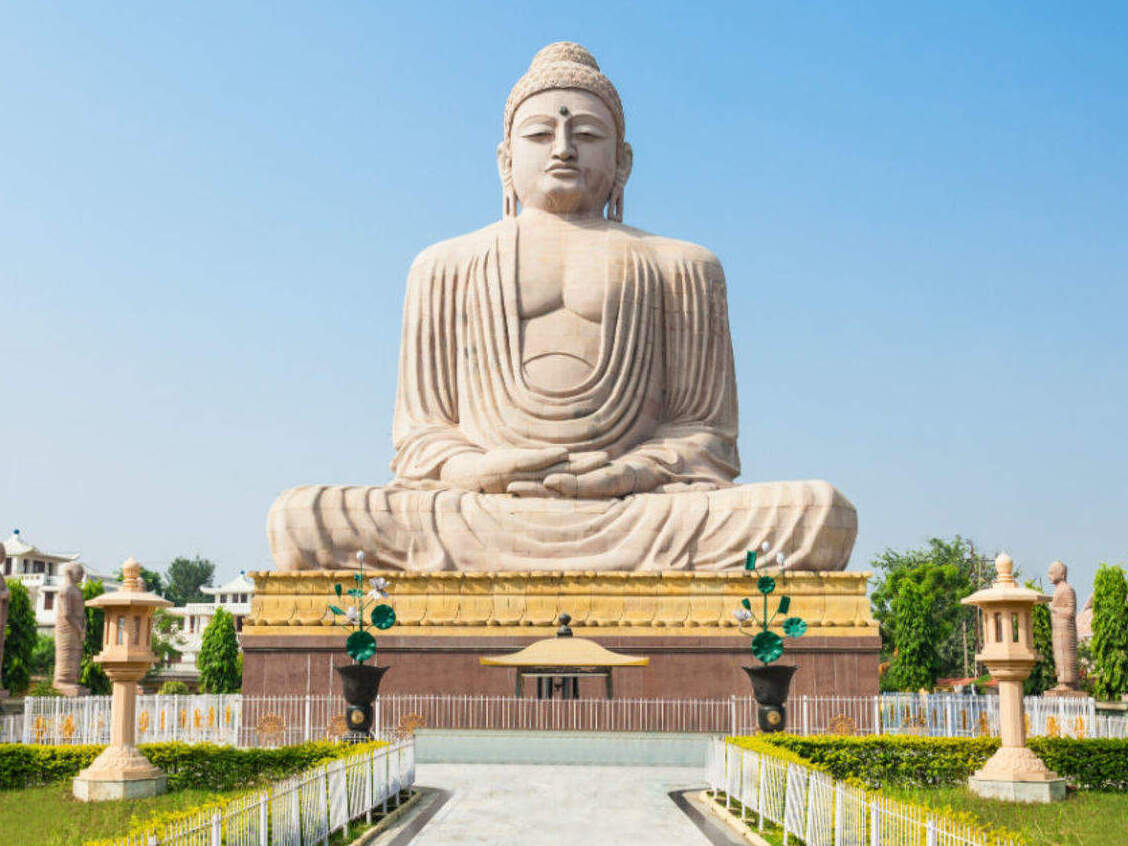
Nestled in the heart of Bihar, Bodh Gaya stands as a beacon of enlightenment, drawing thousands of pilgrims and tourists to its sacred grounds each year. This UNESCO World Heritage site is not just a place of worship; it is a living testament to the enduring legacy of Gautama Buddha, who attained enlightenment here under the venerable Bodhi Tree over 2,500 years ago.
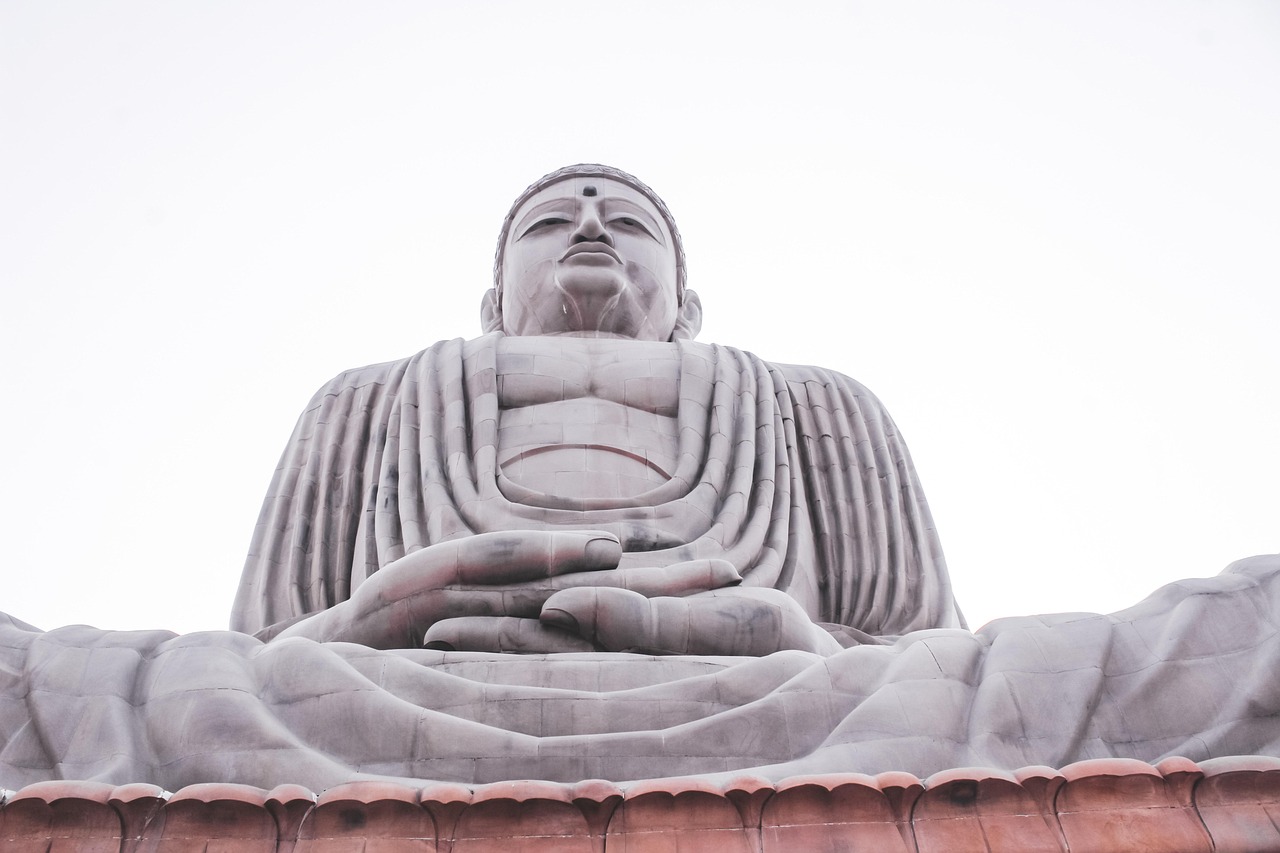
The history of Bodh Gaya is rich and layered, beginning with its significance in the 5th century BCE when Prince Siddhartha, after years of searching for the ultimate truth, meditated under the Bodhi Tree and transformed into the Buddha. This pivotal moment not only changed the course of Siddhartha’s life but also set the foundation for Buddhism, a religion that would eventually spread across Asia and the world. The Mahabodhi Temple, constructed by Emperor Ashoka around 250 BCE, marks the site of this profound transformation. Ashoka, a devout follower of Buddhism, played a crucial role in the propagation of the faith, making Bodh Gaya a focal point for Buddhist pilgrimage.
Architecturally, the Mahabodhi Temple is a stunning example of ancient Indian design. Rising to a height of 50 meters, the temple features a pyramidal spire adorned with intricate carvings and sculptures that depict various aspects of the Buddha's life. The temple complex encompasses not only the main shrine and the Bodhi Tree but also six other significant sites that relate to the Buddha’s enlightenment, each marked by stupas that reflect the artistry and devotion of the artisans of the time. The Vajrasana, a stone platform beneath the Bodhi Tree, is believed to be where Buddha sat during his meditation, and is revered by devotees who come to pay their respects.
The local culture in Bodh Gaya is a vibrant tapestry woven from centuries of religious tradition and local customs. The town comes alive during the annual Buddha Jayanti festival, celebrating the birth, enlightenment, and death of the Buddha. This festival, usually held in April or May, sees a multitude of activities, including processions, prayers, and cultural performances that showcase the rich Buddhist heritage. Visitors may also witness the Saka Dawa festival, where locals and pilgrims alike engage in acts of generosity and kindness, reflecting the core tenets of Buddhism.
A visit to Bodh Gaya would be incomplete without indulging in its local gastronomy. While the town caters primarily to the vegetarian dietary customs of its visitors, there are delightful culinary offerings to explore. Litti Chokha, a traditional dish from Bihar, consists of round wheat balls stuffed with roasted gram flour, served with mashed spiced vegetables. Another must-try is Samosa, a crispy pastry filled with spiced potatoes, often enjoyed with tangy chutneys. To accompany your meal, savor a cup of Masala Chai, a fragrant spiced tea that is a staple in Indian culture.
As you wander through Bodh Gaya, keep an eye out for lesser-known curiosities that enrich the experience. For instance, few realize that the original Bodhi Tree is a descendant of the sacred fig under which Buddha meditated. This tree has been revered and preserved, symbolizing the continuity of Buddhist teachings. Additionally, the complex features a Chinese Temple and a Japanese Temple, both reflecting the diverse interpretations of Buddhism across cultures. The presence of these international temples highlights the global reverence for this holy site, transcending borders and uniting various Buddhist communities.
The best time to visit Bodh Gaya is from October to March, when the weather is pleasant and conducive for exploration. The months of November and December are particularly vibrant, as many Buddhist organizations host events and rituals. For an enriching experience, consider joining guided meditation sessions at the temple complex or participating in discussions about Buddhist philosophy. When visiting, it’s essential to dress modestly, respecting the spiritual atmosphere of the site, and to be mindful of the local customs, such as removing shoes before entering sacred areas.
In conclusion, Bodh Gaya is not just a destination; it is a pilgrimage into the heart of spirituality, history, and culture. Its profound legacy, stunning architecture, and vibrant local traditions make it a must-visit for anyone seeking a deeper understanding of Buddhism and its teachings. For a more tailored experience, consider using the Secret World app to craft a personalized itinerary that captures the essence of Bodh Gaya.
