



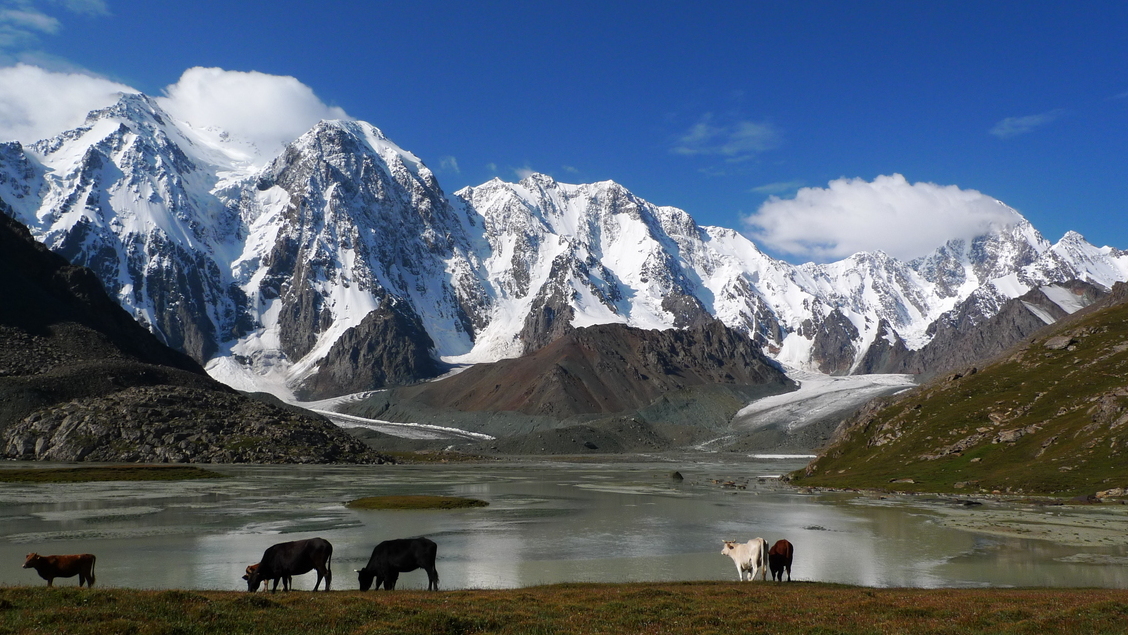
Bogda Peak, rising to a stunning 5,445 meters, is not only the highest point in the Bogda Ola Range but also a significant landmark in the Changji Hui Autonomous Prefecture of Xinjiang, China. Its towering presence, located just 150 kilometers from Urumqi, beckons explorers and nature lovers with its breathtaking vistas and rich cultural tapestry.

### History and Origins
The name "Bogda" is derived from the Mongolian word meaning "sacred," reflecting the deep reverence local cultures have for this majestic peak. The area around Bogda Peak has been inhabited for centuries, with archaeological evidence suggesting that ancient Silk Road traders traversed these routes, drawn by the natural resources and strategic location of the region.
Historically, Bogda Peak has served as a spiritual icon for various ethnic groups, including the Uyghurs and Mongols. The mountain is often associated with legends of gods and mythical beings, underlining its significance in local folklore. Notably, it was a site of pilgrimage, with locals believing that climbing its heights would bring blessings and prosperity.
### Art and Architecture
While Bogda Peak is primarily celebrated for its natural splendor, the surrounding region boasts remarkable Uyghur architecture. Characteristics of this style include intricate tile work, pointed arches, and vibrant colors that reflect the arid yet beautiful landscape. The nearby Fukang City features several mosques and traditional houses that embody this architectural style, showcasing the artistic sensibilities of the local culture.
One notable structure is the Kizil Mosque, located in the heart of Fukang. Constructed in the early 20th century, it serves as a focal point for the community and a testament to the area's rich Islamic heritage. The mosque's minarets reach towards the sky, mirroring the lofty peak that overlooks the city.
### Local Culture and Traditions
The cultural fabric of the Changji Hui Autonomous Prefecture is woven from a multitude of ethnicities, primarily the Uyghurs and Hui people, each contributing unique customs and traditions. One of the most vibrant celebrations is Nauryz, the Persian New Year, which is marked by lively dances, music, and communal feasts. This festival typically occurs around March 21st, heralding the arrival of spring and renewal.
Traditional Uyghur music, characterized by its soulful melodies and rhythmic patterns, often accompanies these festivities. Instruments like the rawap (a stringed instrument) and the dutar are commonly played, creating an atmosphere of joyous celebration that reflects the region's rich heritage.
### Gastronomy
A visit to the Bogda Peak area would be incomplete without indulging in its unique gastronomy. Xinjiang cuisine is celebrated for its bold flavors and diverse ingredients, influenced by the many cultures that have converged in this region. Signature dishes include Dapanji (Big Plate Chicken), a spicy chicken dish served with wide noodles and vegetables, and Kebabs, grilled to perfection over open flames.
Don’t miss trying pilaf, a fragrant rice dish often cooked with lamb or chicken, and Laghman, hand-pulled noodles tossed with vegetables and meat. To wash it all down, sample milk tea or Kumys, a fermented mare’s milk drink that is both refreshing and nutritious.
### Lesser-known Curiosities
Many visitors might overlook the ecological diversity surrounding Bogda Peak. The contrast between the arid southern valleys and the lush coniferous forests in the northern foothills creates a unique microclimate. The area is home to several endemic species of flora and fauna, including the rare Tianshan Mountain goat.
Additionally, the region is known for its ancient petroglyphs, carved into the rocks by nomadic tribes thousands of years ago. These carvings, depicting animals and human figures, offer a glimpse into the lives of early inhabitants, their beliefs, and their connection to the land.
### Practical Visitor Information
The best time to visit Bogda Peak is from late spring to early autumn (May to September), when the weather is generally mild and conducive for hiking. However, those planning to summit the peak should be prepared for rapidly changing conditions at higher altitudes.
When visiting, it’s advisable to pack layers, as temperatures can fluctuate significantly. Engaging a local guide is highly recommended, not only for safety but also for a more enriching experience, as they can share insights into the local culture and history.
Look out for the stunning sunrise over Bogda Peak, a sight that paints the sky in hues of orange and pink, reflecting its grandeur and majesty.
For a truly personalized experience when exploring the wonders of Prefettura autonoma hui di Changji, consider using the Secret World app to plan your itinerary.
