
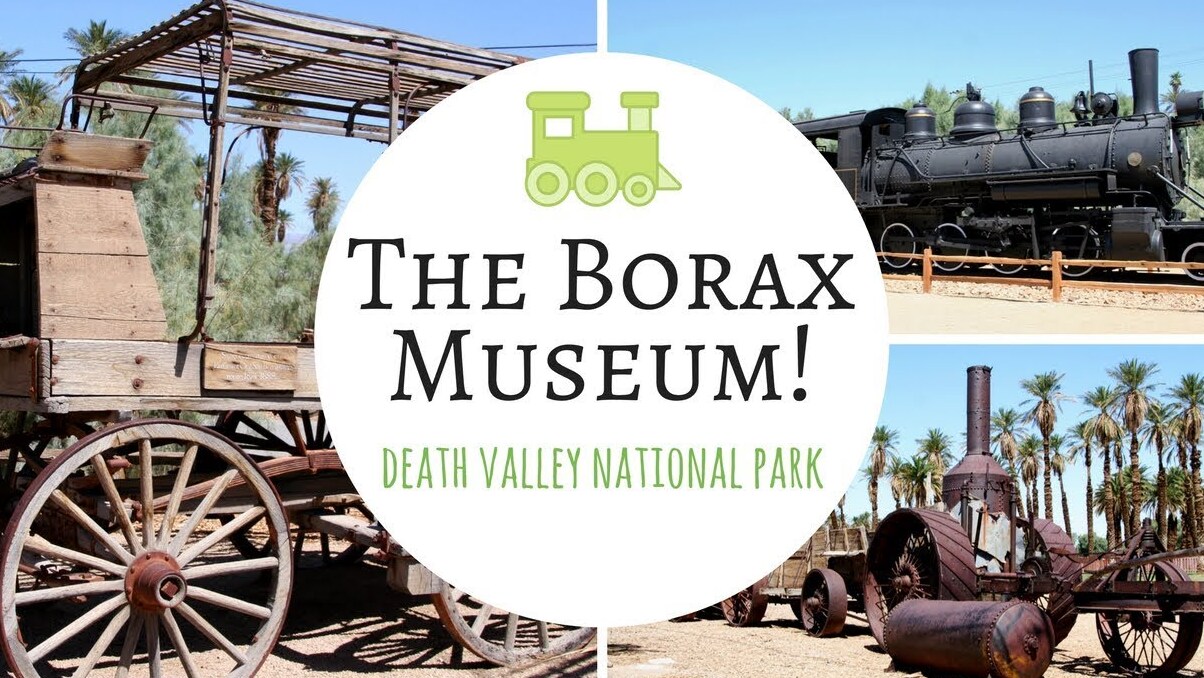

There's gold in Death Valley. More specifically, it’s white gold: borax. The fascinating story of this mineral begins in the late 1800s when prospectors Aaron and Rosie Winters discovered deposits of sodium borate in the harsh, arid expanse of the California desert. Their find was the catalyst for an industry that would flourish and evolve over the decades, drawing attention from a range of entrepreneurs and eventually becoming a household name.
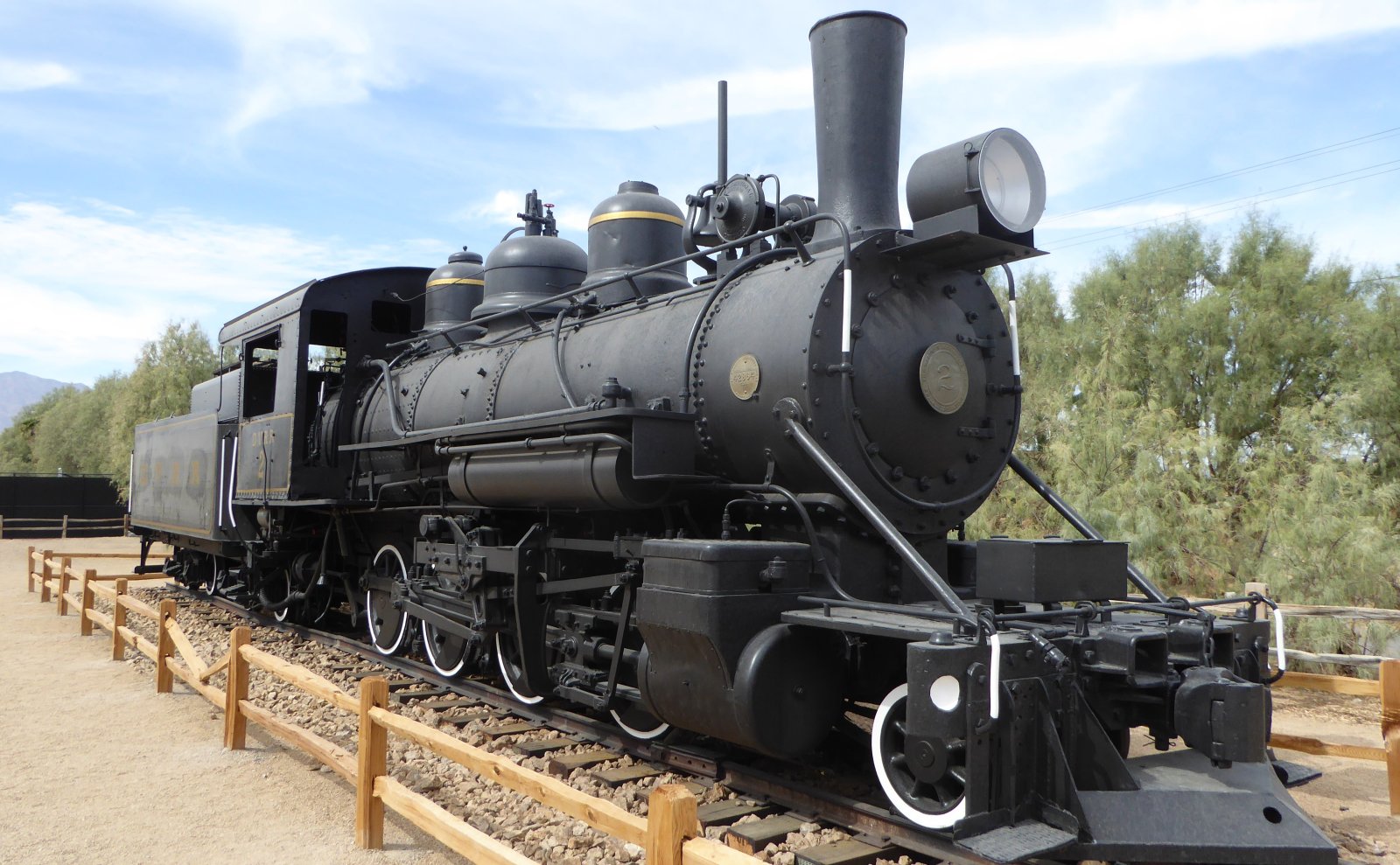
The Borax Museum, nestled within Furnace Creek at the Ranch at Furnace Creek Resort, serves as a testament to this rich history. Housed in the oldest structure in Death Valley National Park—a building dating back to 1883—the museum was originally an office, later transforming into a shack and an ore control station for miners extracting borax from the nearby Monte Blanco deposits.
The museum's collection is an intriguing window into the past, showcasing artifacts from the borax mining era. Among the exhibits, visitors can marvel at antique wagons, carriages, and a steam locomotive, all of which tell the story of the hard work and innovation that defined the borax industry. The museum highlights how borax was transported in the famous 20-mule teams, a method that became emblematic of the era and was immortalized in various media, including television and radio.
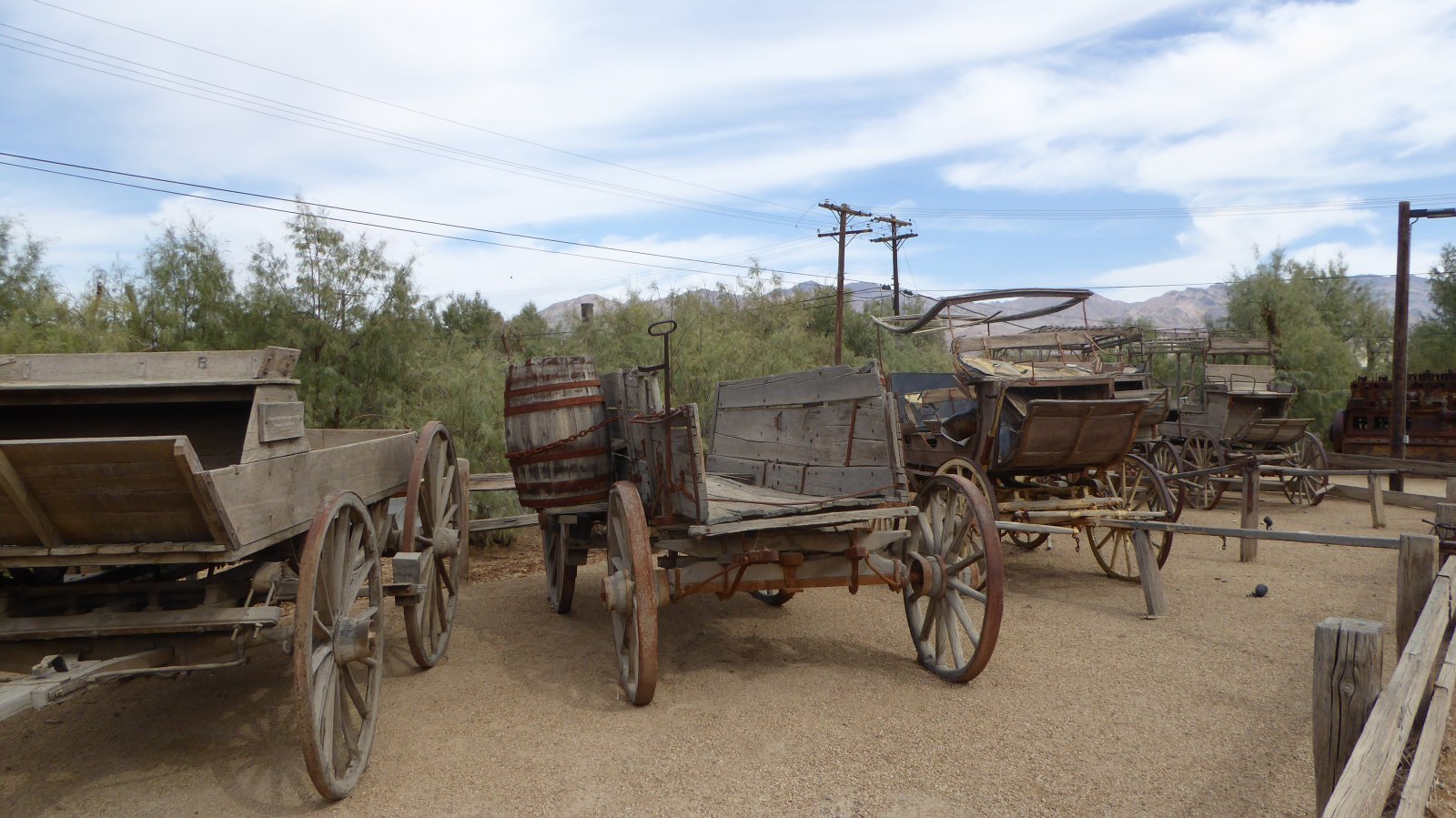
Architecturally, the Borax Museum reflects the rugged and practical style of mining structures from the late 19th century. The building’s simple, utilitarian design stands in stark contrast to the dramatic landscape of Death Valley, which features some of the hottest temperatures on Earth and striking geological formations. The museum's preservation of such structures is significant not just for historical reasons, but also as a representation of the ingenuity and resilience of those who endeavored to carve a living from this unforgiving environment.
Local culture in Furnace Creek is deeply intertwined with the history of borax mining. While the area is now known for its stunning natural beauty and as a gateway to Death Valley National Park, it also holds annual events that celebrate this unique heritage. One such event is the Death Valley Days, a festival that pays homage to the pioneering spirit of the miners and their families. Through storytelling, reenactments, and community gatherings, these celebrations preserve the legacy of the early settlers and their contributions to the region.
When exploring Furnace Creek, one cannot overlook the gastronomic delights inspired by the local landscape. Traditional dishes often feature ingredients sourced from the desert, including mesquite flour and prickly pear, alongside hearty meals designed to sustain those who work in the unforgiving heat. While there may not be a specific "borax dish," the local eateries often serve up classic American comfort food, along with refreshing drinks to cool off after a day of exploration.
For those intrigued by lesser-known curiosities, the Borax Museum has its share of surprising stories. One notable tale involves the 20-mule teams that transported borax from the mines to the nearest railroad, often covering up to 165 miles. Each team consisted of 18 mules and 2 horses, a testament to the sheer determination of the miners who relied on these animals to navigate the punishing terrain. Visitors often miss the fact that these teams were not just a mode of transport; they became a symbol of the mining industry and even inspired the iconic Borax soap advertisements that captured the imagination of the American public.
The best time to visit Furnace Creek and the Borax Museum is during the cooler months, from October to April. This window allows visitors to explore the park's stunning landscapes comfortably, avoiding the sweltering summer heat that often exceeds 120°F (49°C). When planning a visit, be sure to check the museum's hours, as they can vary seasonally.
For a truly enriching experience, take your time to absorb the exhibits and perhaps engage with the knowledgeable staff who can share stories and insights that you won't find in guidebooks. Look for the detailed displays that explain the intricate processes of borax extraction and the significance of this mineral in both historical and modern contexts.
As you plan your journey through the vast and captivating landscapes of Death Valley, consider using the Secret World app to create a personalized AI itinerary that will help you uncover the hidden gems of Furnace Creek.


