



Nestled in the heart of Norway’s stunning landscapes, Borgund Stave Church stands as a testament to the country's rich medieval history and architectural ingenuity. Built around 1180 and dedicated to Saint Andrew, the church is one of the finest examples of a stave church, a unique wooden structure that has become synonymous with Norwegian heritage.
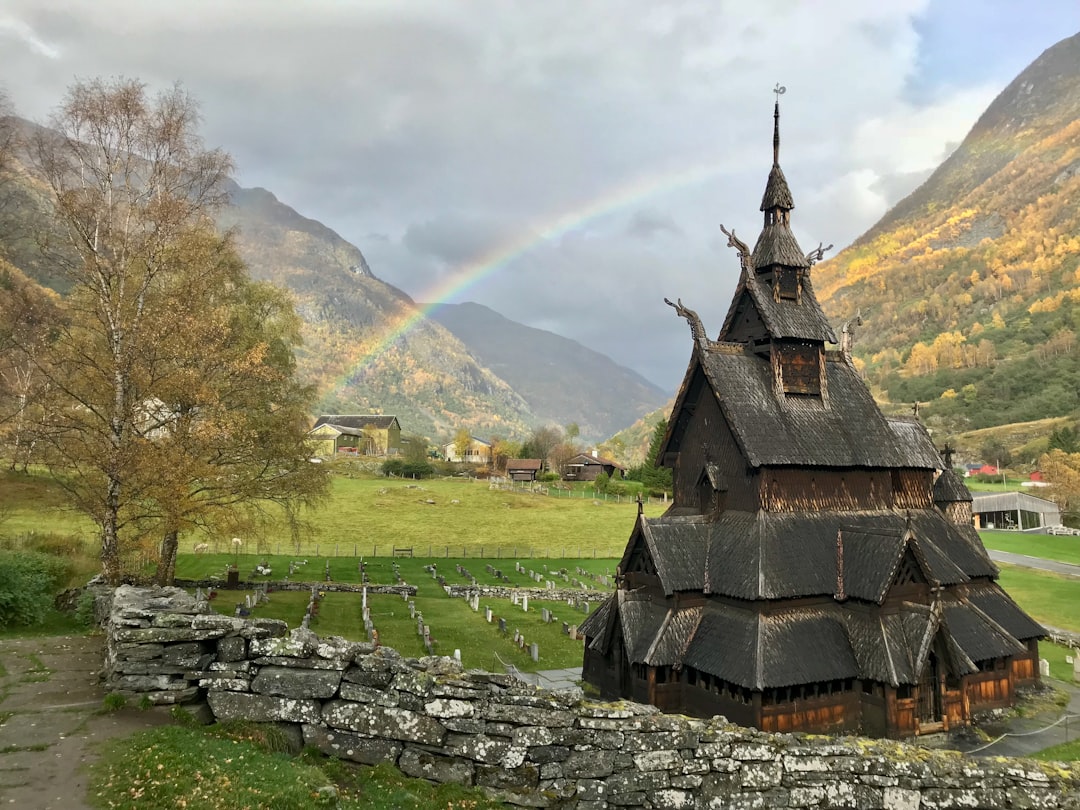
The origins of Borgund Stave Church are steeped in history. It was constructed during a period when Norway was embracing Christianity, transitioning from pagan beliefs to the new faith. This church, situated in Lærdal, was not only a place of worship but also a pivotal site for the community. Over the centuries, it has witnessed significant events, including the consolidation of Norway’s national identity in the Middle Ages. The church is remarkably well-preserved, having survived the ravages of time and the elements, making it a crucial link to Norway's past.
Architecturally, Borgund Stave Church is a masterpiece of medieval craftsmanship. Built primarily from timber, this church features a stave construction technique where vertical wooden posts, or staves, support the structure. Its striking dragon heads adorning the roof are particularly noteworthy; they serve not only as decorative elements but also symbolize the protection of the church from evil spirits. Inside, the lavishly carved portals and intricate woodwork showcase the artistry of the period, with motifs reflecting both Christian iconography and Norse mythology. Visitors can marvel at the detailed carvings that depict various biblical scenes, creating a visual narrative of faith and culture.
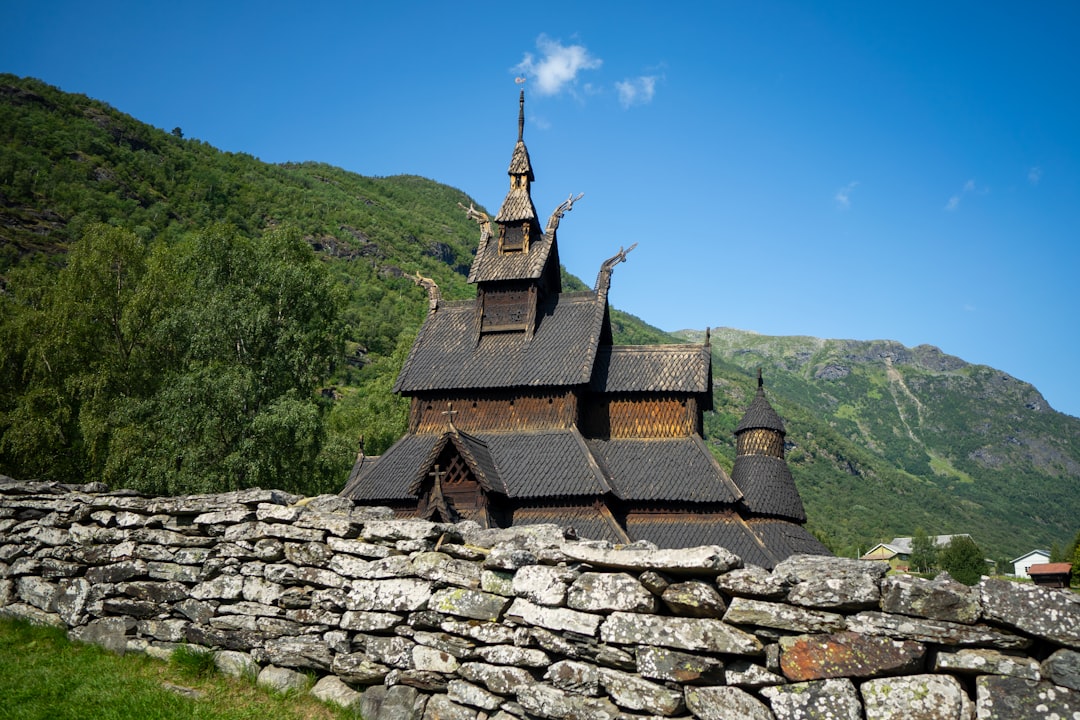
Beyond its architectural beauty, Borgund Stave Church holds a significant place in the local culture and traditions. The church has been a center for communal gatherings and celebrations, reinforcing the bonds of the community over centuries. Events such as St. Andrew's Day, celebrated on November 30th, have deep roots here, honoring the patron saint of the church. The church continues to be a site for local customs, where traditional Norwegian songs and folklore are sometimes shared, keeping the spirit of the past alive.
When visiting Borgund, one cannot overlook the culinary heritage of the region. Traditional Norwegian dishes, often featuring local ingredients, are a must-try. Delicacies such as rakfisk (fermented fish) and klippfisk (dried and salted cod) reflect the historical reliance on fishing and preservation methods in this rugged landscape. Pair these with local beverages like munker (a traditional beer) or Sider (apple cider), and you’ll experience a taste of Norway’s rich gastronomic culture.
As with any historical site, Borgund Stave Church is not without its lesser-known curiosities. Many visitors are unaware that the church houses a votive ship, a small wooden model symbolizing gratitude and protection at sea, a relic of Norway’s strong maritime history. Additionally, legends claim that the dragon heads were meant to ward off trolls, revealing the fascinating blend of Christian and pagan beliefs that existed during its construction.
For those planning a visit, the best time to explore Borgund Stave Church is during the summer months, from June to August, when the weather is mild and the surrounding landscapes are lush and vibrant. The church is open year-round, but be mindful of winter weather conditions which can limit access. When visiting, take time to walk around the church grounds, where you can appreciate the stunning backdrop of the Lærdal Valley and the majestic Norwegian mountains.
In conclusion, Borgund Stave Church is not just a monument; it's a living piece of history that invites exploration and reflection. Each visit offers a glimpse into Norway’s medieval past, its architectural brilliance, and the enduring cultural practices that continue to thrive today. To experience this remarkable place, consider using the Secret World app to curate a personalized itinerary that ensures you don’t miss any hidden gems along your journey.
