



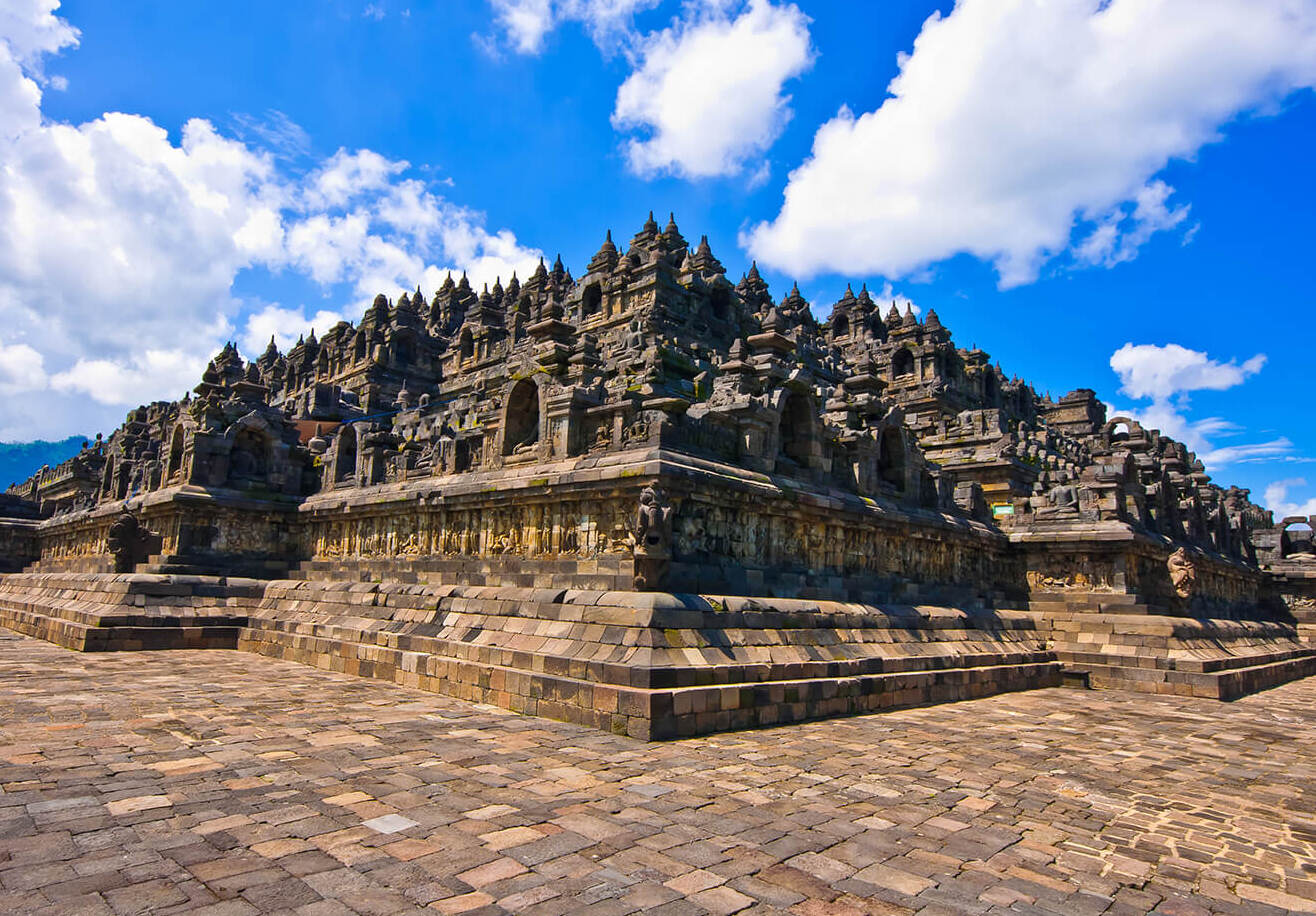
Borobudur Temple, nestled in the lush landscape of Java, is a breathtaking testament to Indonesia's rich cultural and spiritual heritage. Constructed in the 8th and 9th centuries by the Sailendra Dynasty, this architectural marvel is not just the largest Buddhist temple in the world but also a UNESCO World Heritage Site, drawing visitors eager to uncover its layers of history and artistry.
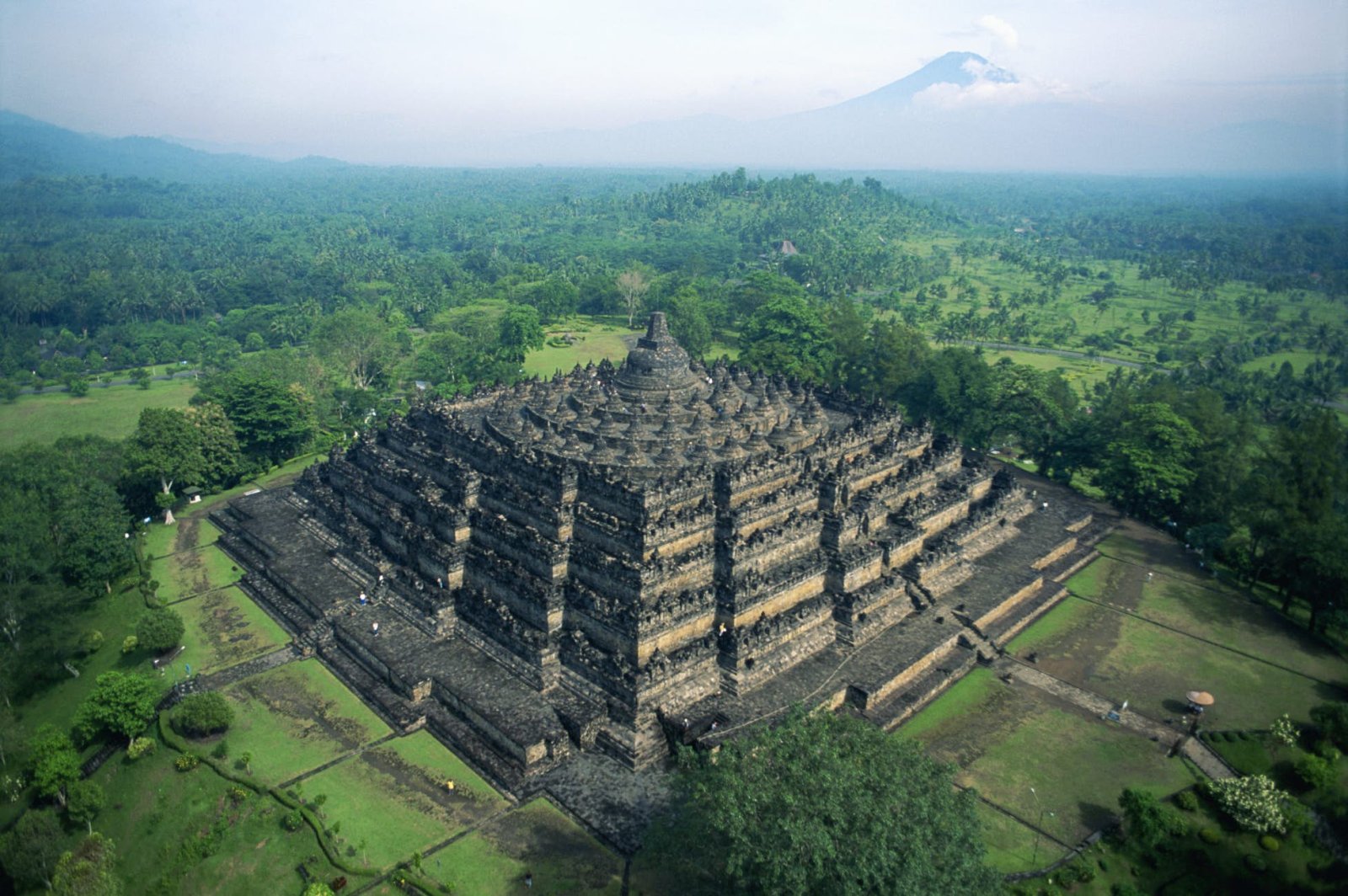
### History and Origins The origins of Borobudur are steeped in mystery and intrigue. Historians believe the temple was built over a remarkable span of 75 years, between 780 AD and 850 AD. It served as a significant pilgrimage site for Buddhists and a symbol of the Sailendra Dynasty's power and devotion. However, by the 14th century, the temple fell into obscurity as Hinduism and Islam became more dominant in the region. It wasn’t until the 19th century, when Thomas Stamford Raffles, the British ruler of Java, rediscovered Borobudur, that it began to emerge from the jungle, sparking renewed interest and research into its history.
### Art and Architecture The architectural design of Borobudur is nothing short of extraordinary. Built from approximately 2 million blocks of volcanic stone, it features a unique mandala layout, symbolizing the universe in Buddhist cosmology. The temple is divided into three main sections: the base, body, and top. The base, measuring 123×123 meters (403.5×403.5 feet) and standing 4 meters (13 feet) high, is adorned with intricate carvings depicting scenes from the Buddhist scriptures. The body consists of five square platforms that successively diminish in size, leading to a grand central dome that rises 35 meters (115 feet) above the ground. This dome is surrounded by 72 smaller stupas, each housing a statue of the Buddha, creating an awe-inspiring panorama.
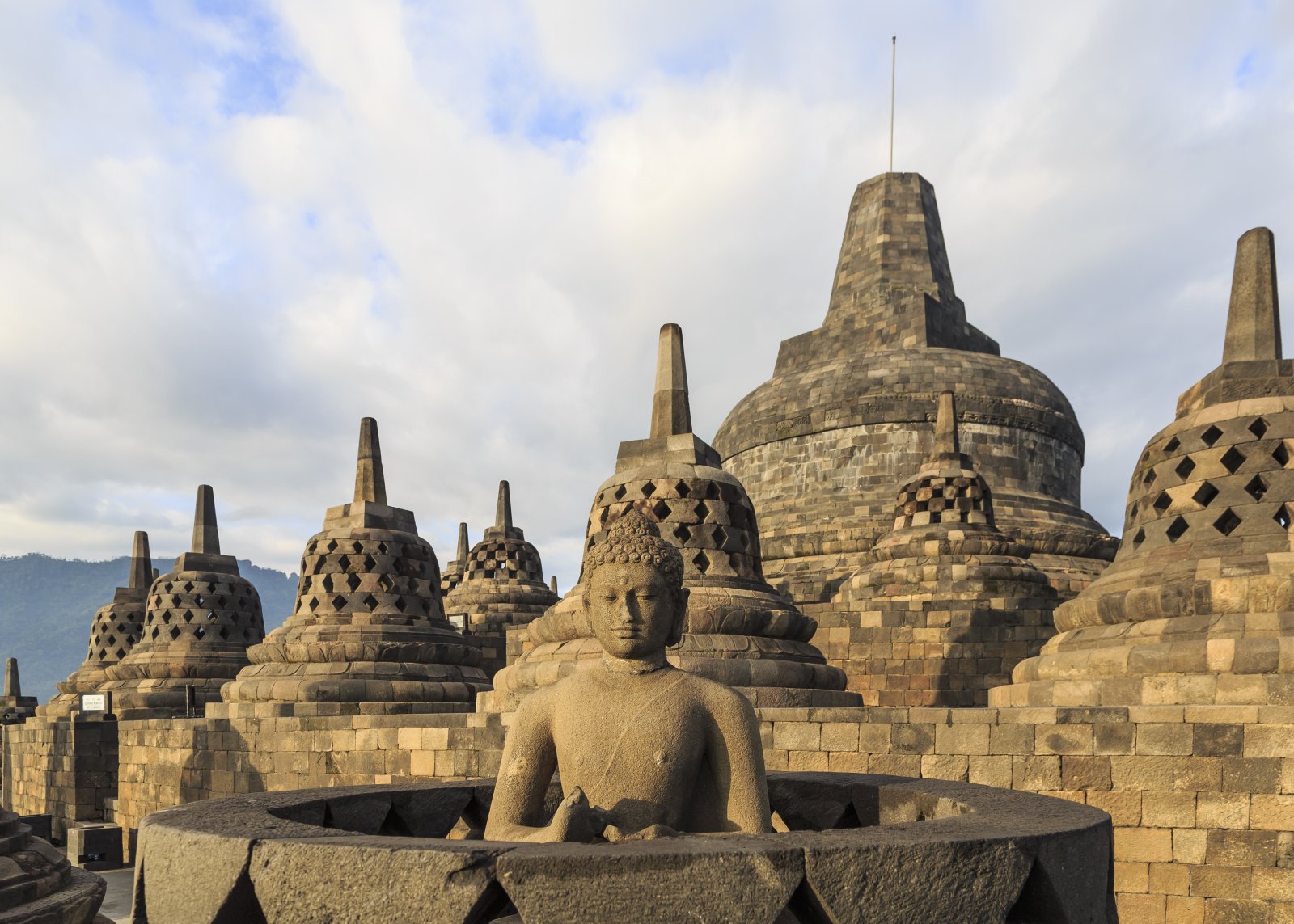
The temple's walls are adorned with over 2,600 relief panels, showcasing stories from the Jataka tales and various teachings of the Buddha. This artistic richness not only serves a decorative purpose but also has profound educational significance, illustrating the Buddhist path to enlightenment.
### Local Culture and Traditions The area surrounding Borobudur is vibrant with local customs and traditions that reflect the rich cultural tapestry of Indonesia. The Waisak Festival, celebrated annually on the full moon in May, draws thousands of pilgrims to the temple. This festival commemorates the birth, enlightenment, and death of the Buddha, and participants often perform a ritualistic procession illuminated by flickering lanterns. This event transforms Borobudur into a spiritual haven, resonating with chants and prayers.
Additionally, the local villages maintain a strong connection to the temple through various cultural performances, including traditional dances and music, which celebrate the history and teachings of Buddhism. Visitors can often witness these vibrant displays during their exploration of the area.
### Gastronomy No visit to Borobudur is complete without indulging in the local culinary delights. The region is famous for its Javanese cuisine, characterized by bold flavors and aromatic spices. One must-try dish is nasi gudeg, a slow-cooked jackfruit dish typically served with rice, boiled eggs, and spicy sambal. Another local favorite is sate klathak, skewered and grilled mutton seasoned with a unique blend of spices. For a refreshing drink, try es dawet, a sweet, coconut milk-based beverage with green rice flour jelly, perfect for cooling off after a day of exploration.
### Lesser-Known Curiosities While Borobudur is renowned for its grandeur, it holds many hidden stories and unique details. For instance, the temple's construction aligns with the cosmic cardinal directions, a detail that reflects the ancient architects' deep understanding of astronomy. Furthermore, the intricate carvings include a mix of Buddhist and Hindu motifs, showcasing the syncretism of beliefs in ancient Java.
Another fascinating aspect is the presence of hidden chambers, which many believe were used for meditation and spiritual practices. These chambers, often overlooked by tourists, offer a glimpse into the temple's sacred purpose beyond mere architecture.
### Practical Visitor Information To fully appreciate the majesty of Borobudur, the best time to visit is during the dry season, from April to October. Arriving early in the morning allows visitors to witness the breathtaking sunrise over the temple, casting ethereal shadows on its intricate carvings. Dress respectfully and be prepared to walk barefoot on the temple grounds, as this is a traditional sign of reverence.
When visiting, take the time to explore not just the temple itself but also the surrounding landscape, which is dotted with beautiful rice fields and local villages. Hiring a knowledgeable guide can enhance the experience, as they provide valuable insights into the temple's history and significance.
As you plan your visit to this awe-inspiring monument, consider using the Secret World app to craft a personalized itinerary that ensures you don’t miss any of Borobudur's hidden treasures.
