



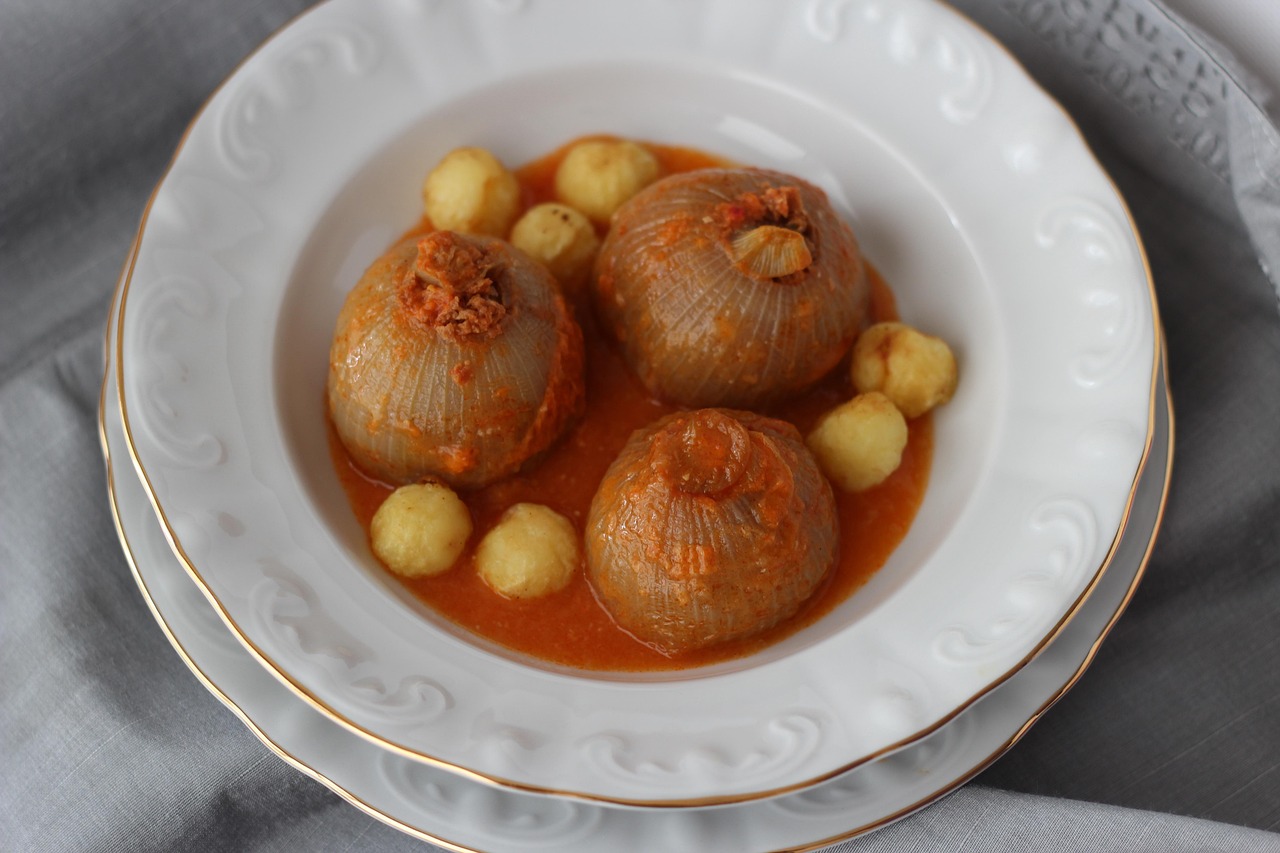
In the picturesque region of Asturias, nestled in northern Spain, a culinary gem known as borrachinos asturianos offers a delightful glimpse into the area’s rich cultural and gastronomic heritage. These traditional desserts, born from the need to utilize stale bread, tell a story of creativity, resilience, and the local community's commitment to sustainability.
### History and Origins The origins of borrachinos can be traced back to the resourceful cooking practices of the 19th century, when households sought to minimize waste during times of economic hardship. In Asturia, where agriculture was the backbone of the local economy, stale bread was often left over from daily meals. Rather than discarding this essential staple, families ingeniously transformed it into a sweet treat. This practice not only reflects the region’s culinary ingenuity but also highlights the cultural significance of food as a means of connection and survival in challenging times.
Over time, borrachinos evolved into a beloved dessert, showcasing the influence of Spanish culinary traditions while maintaining its unique identity. The combination of sugar, eggs, and stale bread creates a rich yet simple dish, often enjoyed during family gatherings and local festivities, symbolizing the spirit of togetherness and resourcefulness.
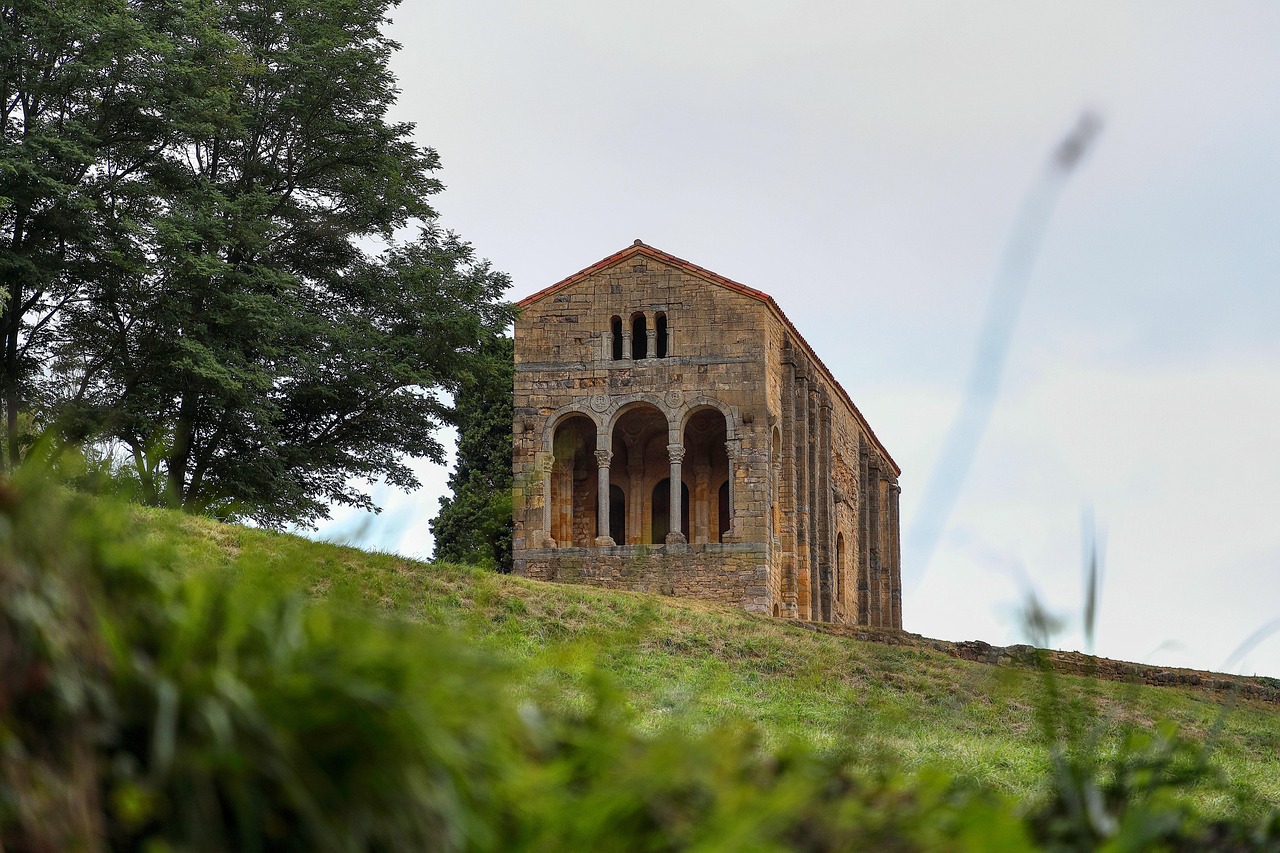
### Art and Architecture While borrachinos may not directly represent architectural styles, they are often associated with the traditional Asturian homes where they are made. These homes, characterized by their rustic stone walls and wooden beams, serve as a backdrop for family gatherings where recipes are shared and passed down through generations. The architecture of Asturias itself is a blend of medieval and rural influences, with charming villages like Cangas de Onís and Luarca showcasing stone structures and narrow, winding streets that invite exploration.
### Local Culture and Traditions The production and enjoyment of borrachinos are intertwined with various local customs and festivals throughout Asturias. For instance, during the Fiesta de la Sidra (Cider Festival) in Gijón, locals celebrate their rich cider-making tradition and often indulge in traditional desserts, including borrachinos, as part of the festivities. The festival highlights the importance of community, food, and drink in Asturian culture, fostering a sense of identity and belonging.
Another notable event is La Ascensión, celebrated in Oviedo, where residents commemorate the city’s patron saint with parades, music, and, of course, an array of local foods. At these gatherings, borrachinos often find their place on tables alongside other regional delicacies.
### Gastronomy In addition to borrachinos, Asturias is famed for its diverse culinary offerings. The region is known for its cider, produced from locally grown apples, which pairs beautifully with many traditional dishes. Other local favorites include fabada asturiana, a hearty bean stew, and cachopo, a breaded meat dish often filled with ham and cheese. The use of fresh, local ingredients is a hallmark of Asturian cuisine, which reflects the area’s fertile land and coastal access, providing both agricultural and marine bounty.
### Lesser-Known Curiosities One intriguing fact about borrachinos is that they can vary significantly from one household to another. Each family often has its own secret recipe or twist, whether it be the addition of nuts, different spices, or variations in the syrup used for soaking the bread. Moreover, the term “borrachino” itself, which translates to “little drunkard,” reflects the dessert’s inclusion of white wine in the syrup, giving it a unique character that resonates with both locals and visitors alike.
Another interesting aspect is the symbolism of the dessert. In many Asturian families, the preparation of borrachinos is a communal activity, often involving children and grandparents alike, thereby reinforcing intergenerational bonds and the sharing of cultural knowledge.
### Practical Visitor Information The best time to visit Asturias for a taste of borrachinos and the region's vibrant culture is during the late spring and summer months, specifically from May to September. During this time, numerous local festivals take place, providing ample opportunities to indulge in traditional foods and witness the lively atmosphere.
Visitors looking to experience authentic borrachinos should seek out local bakeries or restaurants offering homemade versions. Engaging in cooking classes that focus on traditional Asturian cuisine can also provide insights into the preparation of this delightful dessert.
For those wishing to explore beyond the culinary scene, don’t miss the stunning natural landscapes of Picos de Europa National Park, where breathtaking mountains and lush valleys offer beautiful hiking trails and picturesque views.
In conclusion, borrachinos asturianos not only represent a delicious dessert but also embody the spirit of Asturias — a place where history, culture, and community come together to create something truly special. Whether you are savoring these treats at a bustling festival or enjoying them in a quiet family home, the experience of borrachinos will linger in your memory long after your visit.
For a personalized itinerary that captures the essence of Asturias, consider using the Secret World app to explore this enchanting region.
