



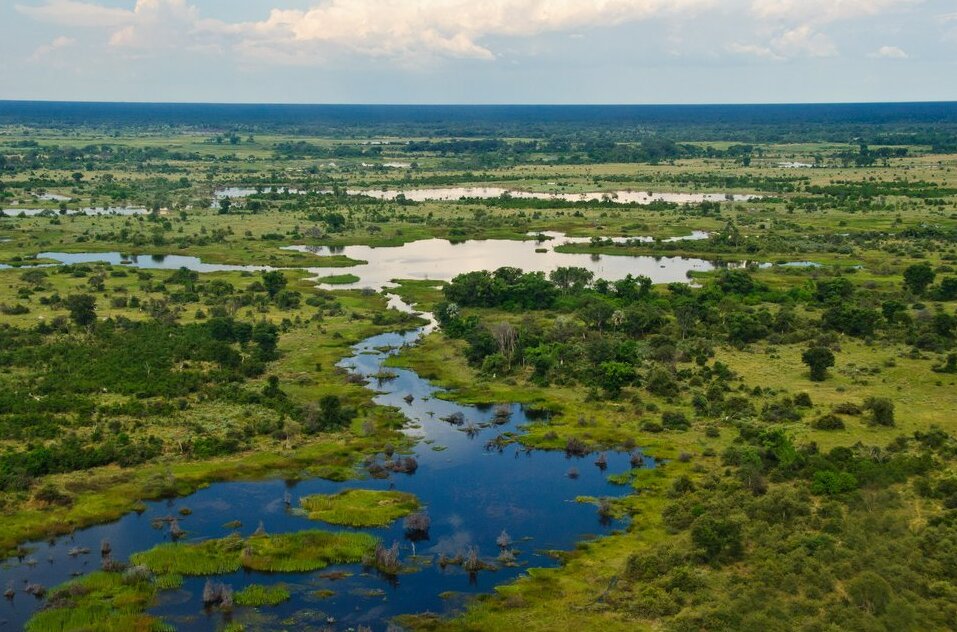
The Okavango Delta is a treasure trove of biodiversity and an adventure seeker’s paradise. This UNESCO World Heritage site, often referred to as the "Jewel of the Kalahari," is one of the largest inland deltas in the world, spanning approximately 15,000 square kilometers. The Delta's intricate network of waterways, seasonal floodplains, and lush vegetation creates an unparalleled environment for wildlife, making it a must-visit destination for any nature enthusiast.
### History and Origins
The history of the Okavango Delta is intertwined with the natural forces that shaped it. Formed over millions of years by the tectonic activity that created the adjacent Kalahari Desert, the Delta is fed by the Okavango River, which originates in the highlands of Angola. This unique geological formation has created a seasonal floodplain that attracts a myriad of wildlife.
Historically, the Delta was inhabited by indigenous groups like the San people, who have lived in harmony with the land for thousands of years. They relied on the abundant resources of the Delta for their survival, using the waterways for fishing and the surrounding land for hunting. In the late 19th century, European explorers such as David Livingstone and Henry Morton Stanley began to document the region, further drawing attention to its rich ecological significance.
### Art and Architecture
While the Delta is primarily known for its natural beauty, the art and architecture of the local communities reflect a deep connection to the land. Traditional Tswana huts, with their circular design and thatched roofs, exemplify the harmony between human habitation and the environment. Local artisans often create intricate wood carvings and beadwork, drawing inspiration from the flora and fauna of the region.
Notable artworks include the vibrant paintings and sculptures found in local galleries in nearby towns like Maun. These pieces often depict the wildlife and landscapes of the Delta, serving as a testament to the cultural significance of the area. The Okavango Cultural and Arts Centre in Maun offers a glimpse into the artistic traditions of the local people, showcasing the importance of art as a form of storytelling and cultural expression.
### Local Culture and Traditions
The culture surrounding the Okavango Delta is rich and diverse, influenced by the various ethnic groups that inhabit the region. Festivals like the Maun International Arts Festival celebrate local music, dance, and art, drawing visitors from around the world. Traditional dances often incorporate storytelling, reflecting the historical significance of the Delta in the lives of the local people.
Local customs, such as initiation ceremonies and communal gatherings, play a crucial role in fostering a sense of community. The Tswana people, for instance, celebrate the annual Kgotla meeting, where community issues are discussed, and decisions are made collectively, emphasizing the importance of unity and shared responsibility.
### Gastronomy
The culinary scene in the Okavango Delta is as diverse as its wildlife. Local dishes often feature game meats, fish from the Delta’s waterways, and traditional staples like pap (a maize porridge) and biltong (dried cured meat). Dining experiences often take place in luxurious lodges, where chefs incorporate local ingredients to create mouthwatering dishes that reflect the region's heritage.
Don't miss the chance to sample seswaa, a slow-cooked meat dish typically served during celebrations, and morogo, a wild spinach that is often sautéed with onions and tomatoes. Pair your meals with a glass of Chibuku, the local sorghum beer, for an authentic taste of Botswana.
### Lesser-Known Curiosities
While the Okavango Delta is famous for its wildlife, there are lesser-known curiosities that add to its allure. One such fact is the phenomenon of the Okavango flood, which occurs annually between May and August. During this time, the Delta transforms into a watery paradise, attracting migratory birds and large herds of elephants, making it a photographer's dream.
Another hidden gem is the Mokoro canoe experience, a traditional method of transportation for the local people. These dugout canoes offer a unique perspective of the Delta, allowing visitors to glide silently through the waters and observe wildlife up close. This eco-friendly mode of transport connects travelers with the natural rhythms of the Delta, providing an intimate encounter with its beauty.
### Practical Visitor Information
The best time to visit the Okavango Delta is during the dry season, from May to October, when wildlife is most active and the flooding creates stunning landscapes. Early morning and late afternoon are prime times for game viewing, so be sure to schedule your activities accordingly.
When planning your trip, consider staying in one of the luxurious lodges or opting for a wild camping experience. Each offers a different perspective on the Delta, with opportunities for guided walks, game drives, and canoe excursions. Don't forget to bring binoculars for birdwatching, as the Delta is home to over 400 bird species.
For a truly unforgettable experience, engage with local guides who can share their deep knowledge of the wildlife and culture of the region. Their insights will enrich your understanding of this remarkable ecosystem.
With its unparalleled beauty and rich cultural heritage, the Okavango Delta promises an adventure that lingers in the heart long after the journey ends. Planning your visit through the Secret World app can help you tailor an itinerary that captures the essence of this magnificent destination.
