
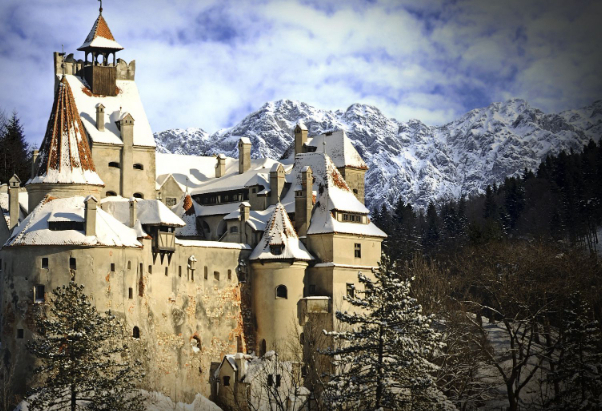

Perched majestically atop a rocky precipice, Bran Castle is more than just an architectural wonder; it is a tapestry woven with threads of history, myth, and the vibrant culture of Romania. Often associated with the chilling legend of Dracula, this castle has an allure that transcends its fictional fame. As you stand before its imposing silhouette, you are not merely a spectator but a participant in a centuries-old narrative.
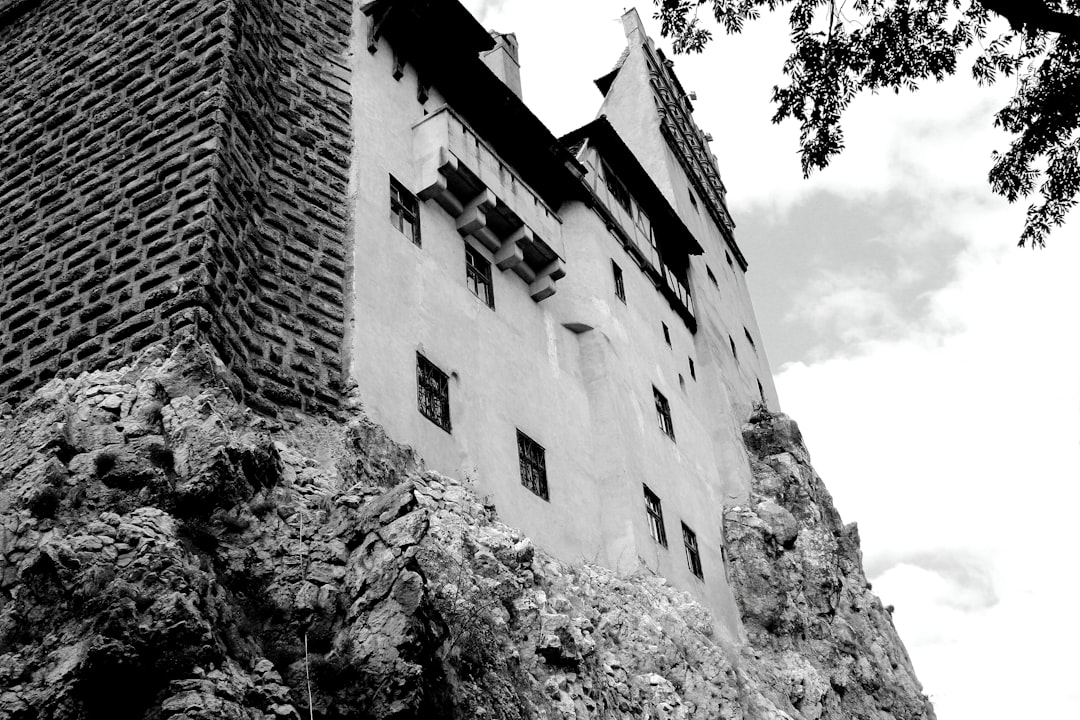
The origins of Bran Castle date back to 1377 when Saxons from the city of Brașov were granted permission by King Louis I of Hungary to construct a stone fortress. Strategically positioned at the border between Transylvania and Wallachia, the castle served as a defensive stronghold against Ottoman invasions. Over the centuries, it changed hands and purposes, from royal residence to customs post, reflecting the shifting sands of Romanian history. Notably, in the 1920s, Queen Marie of Romania made the castle her royal residence, filling its halls with elegance and warmth that remain to this day.
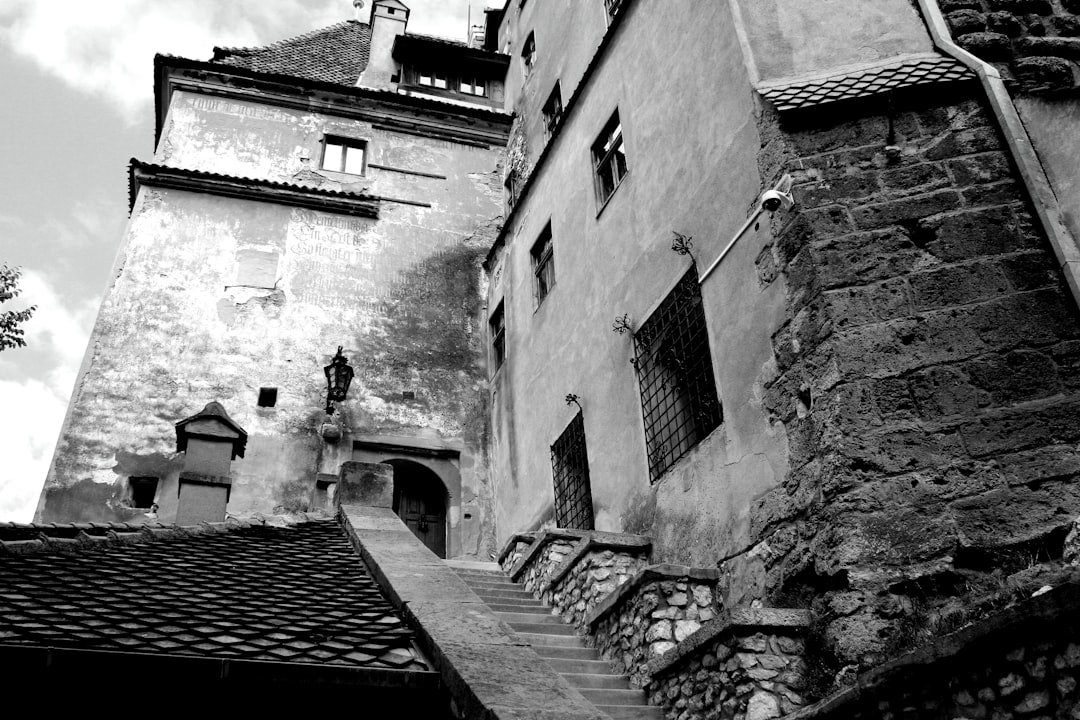
Architecturally, Bran Castle is a stunning blend of Gothic and Renaissance styles. Its stone towers and turrets rise dramatically against the forested Carpathian Mountains, creating an image that is both enchanting and formidable. Inside, the castle is a labyrinth of winding staircases, narrow corridors, and secret passageways. Each room tells a story, with artifacts and furnishings that speak of bygone eras. Of particular interest is the Queen’s Chamber, adorned with beautifully preserved period furniture and personal items of Queen Marie, offering a glimpse into the life of Romanian royalty.
Beyond its stone walls, the castle is enveloped in the rich cultural tapestry of the surrounding region. The local customs and traditions are deeply rooted in folklore, often drawing from the same myths that inspired Bram Stoker's Dracula. Throughout the year, the nearby villages celebrate various festivals, such as the Sărbătoarea Bujorului, a vibrant event dedicated to the blooming of peonies. During these celebrations, traditional costumes, music, and dances vividly showcase the community's heritage.
No visit to Bran Castle is complete without indulging in the local gastronomy, which is as enticing as the landscape. The region is known for its hearty and flavorful dishes. Mici, grilled minced meat rolls, and sarmale, cabbage rolls stuffed with a savory mix of meat and rice, are staples that capture the essence of Romanian cooking. Pair these with a glass of Țuică, a potent plum brandy, to truly savor the local flavor. The nearby town of Brașov is also a culinary hub, where traditional Romanian dishes are served with a modern twist.
For those seeking the lesser-known curiosities of Bran Castle, the Time Tunnel is a hidden gem. This underground passage, recently opened to the public, offers an immersive experience that takes visitors through the history of the castle and the legends of Dracula. Another intriguing aspect is the castle's collection of artifacts from the Medieval Torture Museum, which provides a chilling yet fascinating insight into medieval justice.
When planning a visit to Bran Castle, timing is crucial. The best months to explore are from May to September when the weather is mild and the surrounding landscape is lush and inviting. To avoid the throngs of tourists, aim to visit during the early hours or late afternoon. As you wander through the castle, take note of the intricate woodwork in the Music Room and the panoramic views from the Watchtower, which offer breathtaking vistas of the Piatra Craiului Mountains.
Whether you're drawn by its historical significance, architectural beauty, or the allure of its legendary associations, Bran Castle promises an unforgettable journey. It stands as a testament to Romania’s rich past and cultural vitality, inviting every visitor to delve deeper into its stories and mysteries.


