



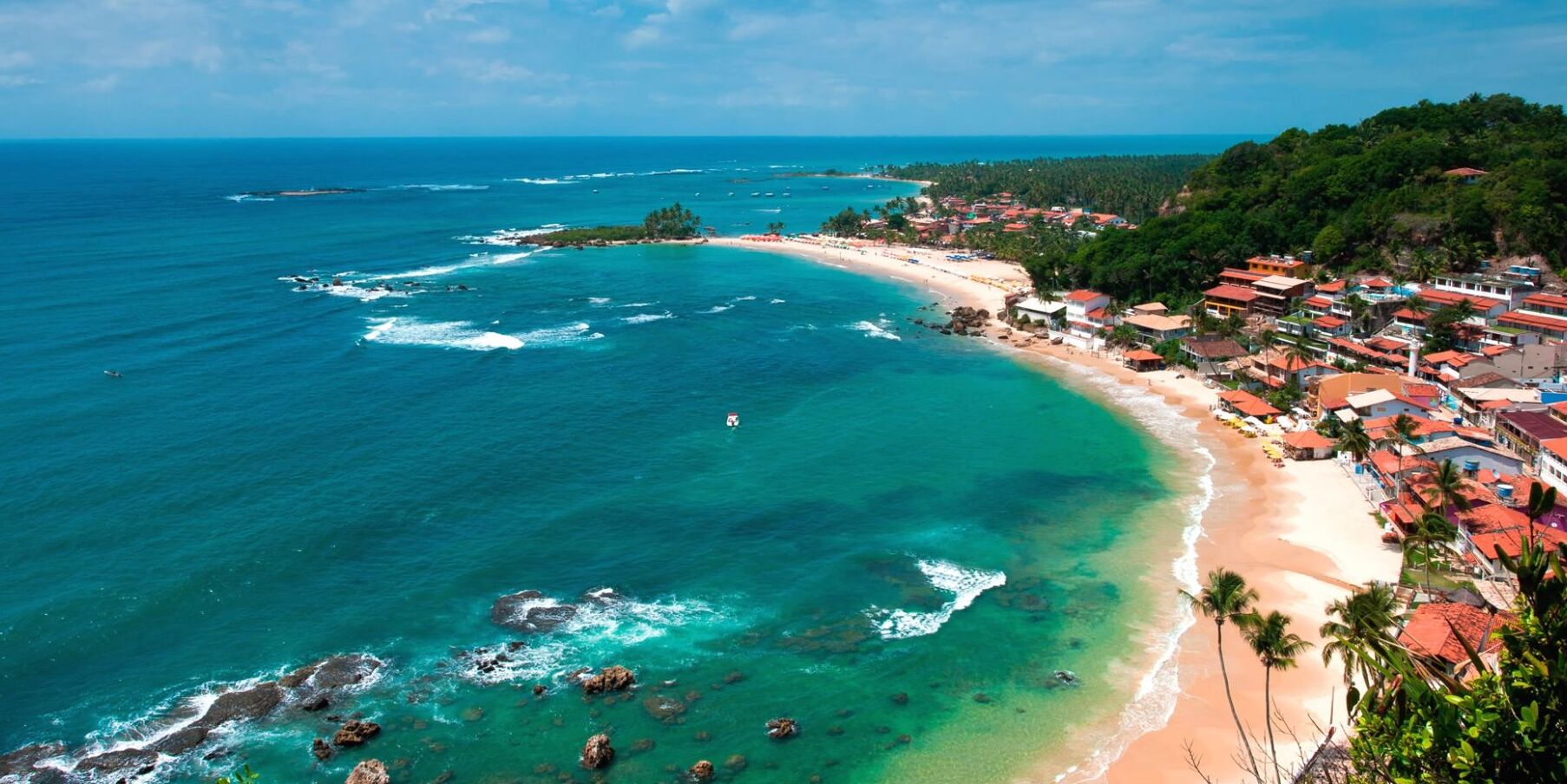
Nestled between the lush greenery of its jungle-covered hills and the sparkling waters of the Atlantic, Morro de São Paulo is a hidden gem that transports visitors to a world where time seems to stand still. Known for its idyllic beaches and serene atmosphere, the village offers a unique blend of history, culture, and natural beauty, making it a must-visit destination in Brazil.
### History and Origins
The history of Morro de São Paulo dates back to the 16th century when the Portuguese arrived in Brazil. Initially, the island served as a refuge for pirates and a strategic stronghold for the colonial powers. In 1531, the island was officially named after Saint Paul, and by the late 16th century, it became an important military outpost to guard the coastline against foreign invasions.
The Fortaleza do Tapirandu, built in the 17th century, stands as a testament to this storied past. This fortification was crucial in protecting the region from Dutch and French incursions. Over time, the island transitioned from a military stronghold to a tranquil fishing village, preserving its charming colonial architecture and tranquil ambiance.
### Art and Architecture
Walking through Morro de São Paulo, visitors are greeted by a delightful array of colonial architecture. The structures are predominantly painted in vibrant hues, reflecting the lively spirit of the island. The Igreja Nossa Senhora da Luz, a small church built in the 18th century, is a highlight, showcasing the simplistic beauty of colonial design with its whitewashed walls and blue accents.
Beyond the buildings, local art flourishes in the form of handicrafts and vibrant paintings that depict the natural beauty and cultural heritage of the island. Artisans often sell their works in small shops and markets, offering a glimpse into the creativity and traditions that thrive here.
### Local Culture and Traditions
The culture in Morro de São Paulo is a vivid tapestry woven from African, Indigenous, and Portuguese influences. Festivals play a crucial role in the local life, with Festa de São Paulo in January being one of the most significant. Celebrated with music, dance, and traditional food, this festival honors the island's patron saint and attracts both locals and visitors alike.
Another important cultural event is Carnaval, where the streets come alive with samba parades and vibrant costumes. The islanders’ warm hospitality and lively spirit create an inviting atmosphere, making it easy for visitors to immerse themselves in local customs.
### Gastronomy
The culinary scene in Morro de São Paulo is a delightful exploration of flavors, heavily influenced by the region's coastal location. Fresh seafood is a staple, and dishes such as moqueca—a traditional fish stew cooked with coconut milk, tomatoes, and spices—are not to be missed.
Street vendors serve mouthwatering acarajé, a deep-fried ball of black-eyed pea dough filled with shrimp, while local restaurants often feature peixe frito (fried fish) served with rice and farofa. For those looking to quench their thirst, caipirinha, Brazil's national cocktail made from cachaça, lime, and sugar, is a refreshing choice that perfectly complements the tropical atmosphere.
### Lesser-Known Curiosities
While the scenic beaches and laid-back lifestyle are well-known, Morro de São Paulo holds many hidden treasures. One such curiosity is the Fourth Beach, often regarded as the most beautiful but less frequented by tourists. Its secluded nature makes it an ideal spot for those seeking tranquility away from the bustling crowds.
Another interesting fact is the Ponta do Curral, a rocky outcrop that offers stunning views of the surrounding islands and the Atlantic Ocean. Legends say it was once a lookout point for pirates, providing a thrilling connection to the island’s swashbuckling past.
### Practical Visitor Information
The best time to visit Morro de São Paulo is during the dry season from September to March, when the weather is pleasantly warm, perfect for beach activities. To reach the village, visitors can take a boat from Salvador, which offers a scenic ride across the waters, or opt for a charter flight for a quicker journey.
When exploring the island, be sure to wander along the beaches, sample local delicacies, and participate in cultural events. As cars are prohibited, visitors can enjoy a peaceful ambiance as they navigate the village on foot or by bicycle.
For a truly personalized experience, consider using the Secret World app to effortlessly plan your itinerary to uncover all the hidden gems of Morro de São Paulo.
