



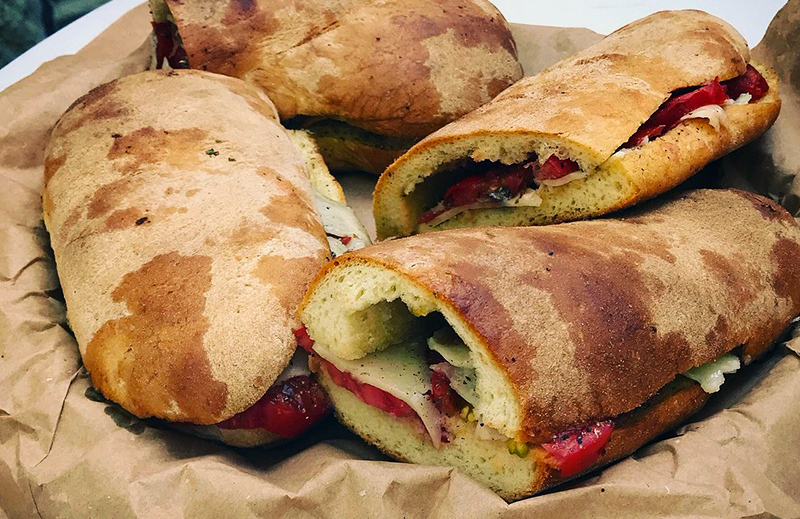
In the heart of Sicily, bread transcends mere sustenance; it is the backbone of local culture, a symbol of resilience and community. Among the many bread varieties, u pani cunzatu stands out as a celebrated dish that embodies the island's culinary heritage, uniting rich flavors and historical significance.
History and origins of u pani cunzatu can be traced back to the island's ancient agricultural roots. Sicily, strategically located in the Mediterranean, has been influenced by various cultures, from the Greeks and Romans to the Arabs and Normans. Each of these civilizations contributed to the development of bread-making techniques. In ancient times, bread was a staple for the lower classes, particularly during periods of economic hardship when pasta, meat, or fish were luxuries. Peasants relied on durum wheat semolina, which was abundant and affordable, giving rise to the thick, hearty loaves that characterize Sicilian bread today.
As Sicilian civilization evolved, so too did its bread. By the Middle Ages, bread-making had become a vital skill, and communities often came together to bake in communal wood-burning ovens. This practice not only nourished families but also fostered social bonds. The tradition of u pani cunzatu, a bread often filled with seasonal ingredients, reflects the Sicilian ethos of utilizing what the land provides—a nod to the island's agrarian traditions.
In terms of art and architecture, the landscapes of Sicily are adorned with numerous bakeries that reveal the island's artisanal practices. The architecture of these rustic establishments often features stone façades and wooden beams, embodying the warmth of Sicilian hospitality. Notable artworks depicting bread-making can be found in regional museums, capturing the essence of this labor-intensive process. The craftsmanship involved in creating u pani cunzatu is an art form in itself, with bakers showing great skill in shaping and seasoning the dough before it is baked to perfection.
Local culture and traditions surrounding bread are vibrant and varied. In many Sicilian towns, the preparation of u pani cunzatu is a ritual steeped in history. Families gather to prepare the bread on special occasions, such as Easter and local feast days, where the bread becomes a centerpiece of communal meals. Festivals often showcase the island's culinary prowess, including competitions for the best u pani cunzatu. The celebration of bread is not merely a gastronomic event; it symbolizes community, heritage, and the importance of sharing food as a means of connection.
When it comes to gastronomy, u pani cunzatu is a delightful medley of flavors. Traditionally, it is filled with ripe tomatoes, extra virgin olive oil, salt, oregano, and often includes salted sardines or local cheeses like pecorino. Each ingredient tells a story of the land, showcasing the region's agricultural bounty. Pairing this savory bread with a glass of Nero d'Avola, a rich red wine, enhances the experience, allowing visitors to savor the full depth of Sicilian cuisine.
Among the lesser-known curiosities surrounding u pani cunzatu is its role in Sicilian folklore. It is said that during times of hardship, bread was often shared among neighbors to ensure no one went without. This act of generosity has evolved into a broader cultural practice where sharing food signifies friendship and support. Additionally, many families have their own secret recipes for u pani cunzatu, passed down through generations, making each loaf a unique expression of family history.
For those looking to experience the best of Sicilian bread, the best time to visit is during the harvest season in the late summer and early autumn. This is when local markets overflow with fresh produce, allowing for the most flavorful fillings. Visitors should seek out local bakeries and agriturismos, where they can witness the bread-making process firsthand and indulge in authentic flavors. It’s also advisable to engage with local bakers, as many are more than willing to share their knowledge and passion for this beloved staple.
In conclusion, u pani cunzatu is not just a dish; it is a symbol of Sicilian identity, steeped in history and tradition. To truly appreciate its significance, one must immerse themselves in the culture of Sicily, exploring the stories behind each loaf. For a unique journey through the flavors and traditions of this enchanting island, consider using the Secret World app to plan your personalized itinerary.
