



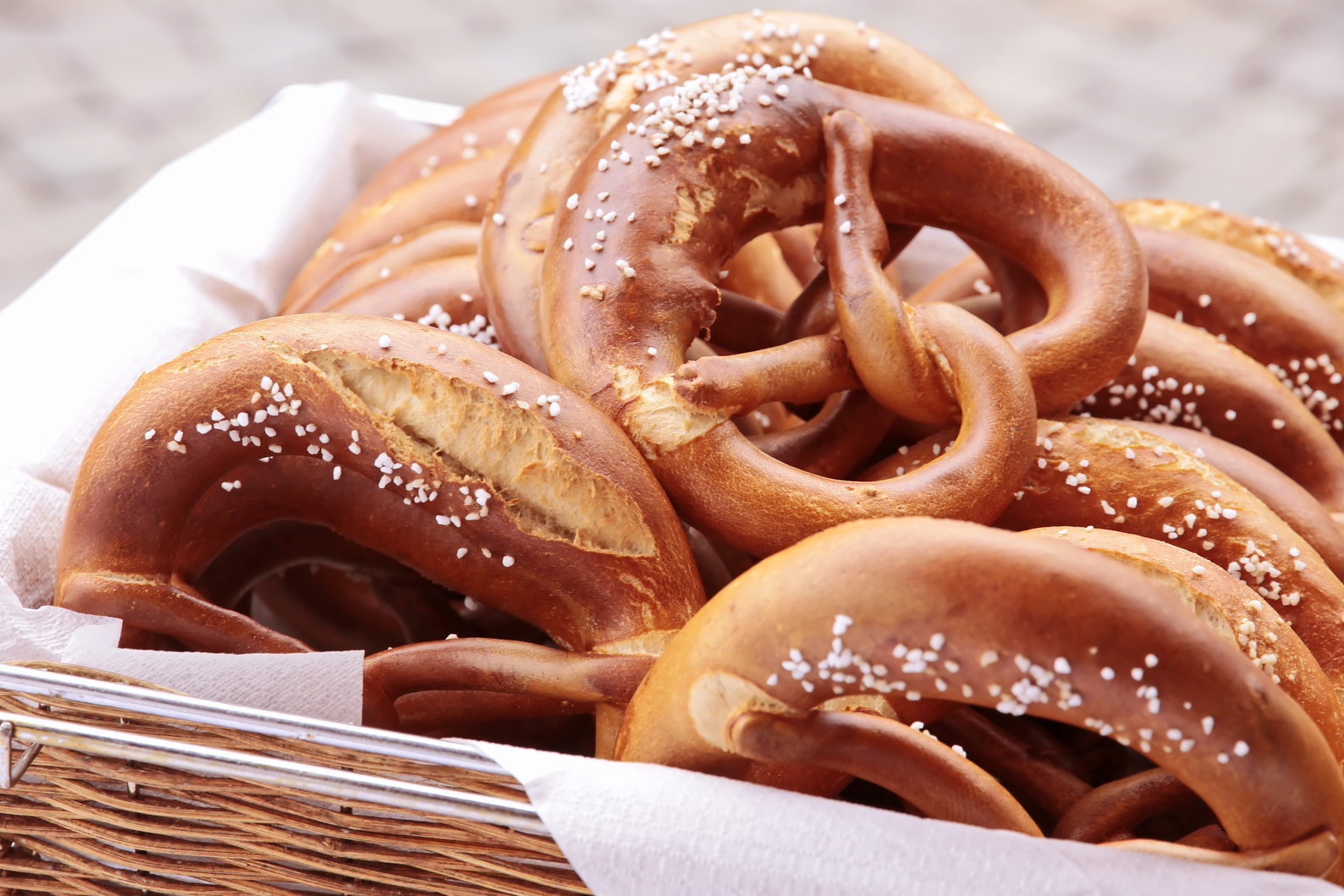
In the heart of Germany, soft, white Brezel have evolved from ancient traditions to become a beloved culinary staple. With a history steeped in folklore, these pretzels symbolize German culture and hospitality. Legend has it that the pretzel shape represents arms crossed in prayer, and they date back to Roman times, initially serving as a reward for children who learned their prayers. The Brezel is often associated with the Baker’s Guild, which dates back to the Middle Ages, and their unique shape has made them an iconic symbol of the region.
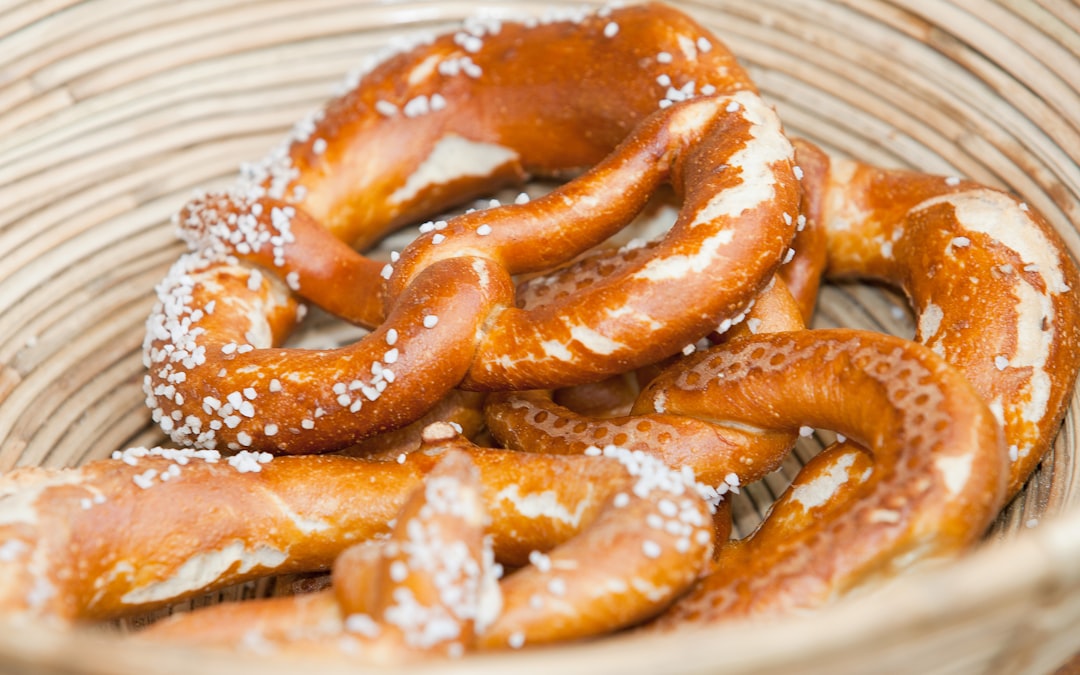
The art and architecture of Germany is echoed in the humble Brezel. While you won’t find grand architecture dedicated to these snacks, the bakeries showcasing them often feature traditional Bavarian designs, complete with rustic wood and warm, inviting interiors. Many bakeries are family-run, and the art of pretzel-making has been passed down through generations, preserving techniques that date back hundreds of years.
Within the local culture, the Brezel holds a special place during festivals and gatherings. Events such as Oktoberfest showcase the pretzel alongside hearty beers and sausages, creating a symphony of flavors that embody the spirit of German celebrations. Brezels are not just a snack; they’re a part of the Bavarian identity, often served alongside traditional dishes such as Weißwurst and Obatzda.

When it comes to gastronomy, the Brezel is versatile. While the classic version is simply sprinkled with coarse salt, variations exist. The butterbrezel, sliced and generously slathered with butter, is a popular choice, as are those topped with seeds like sesame or poppy. Pairing these with a strong German beer elevates the experience, making them a staple at beer gardens and festivals alike.
For the curious traveler, there are lesser-known facts about the Brezel that add to its charm. Did you know that the pretzel’s unique texture comes from a brief bath in a lye solution before baking? This process not only gives its characteristic crust but also enhances the flavor. Additionally, some regions have their own variants, like the Swabian Laugenbrezel, which has a slightly different taste due to the specific water used in its preparation.
If you're planning to indulge in this delightful treat, the best time to visit is during the fall when local harvest festivals are in full swing. However, Brezel can be enjoyed year-round from countless bakeries and street vendors. Local tips include seeking out family-owned establishments for an authentic taste and always asking if they have freshly baked Brezel available.
As you explore the rich tapestry of German culture, make sure to sample this beloved snack, which tells a story of tradition, craftsmanship, and community. The Brezel is more than just food; it’s a cultural icon, a bridge connecting past and present, and an essential part of the German experience. To enhance your visit, consider using the Secret World app to curate a personalized itinerary that showcases the best of this delightful destination.
