



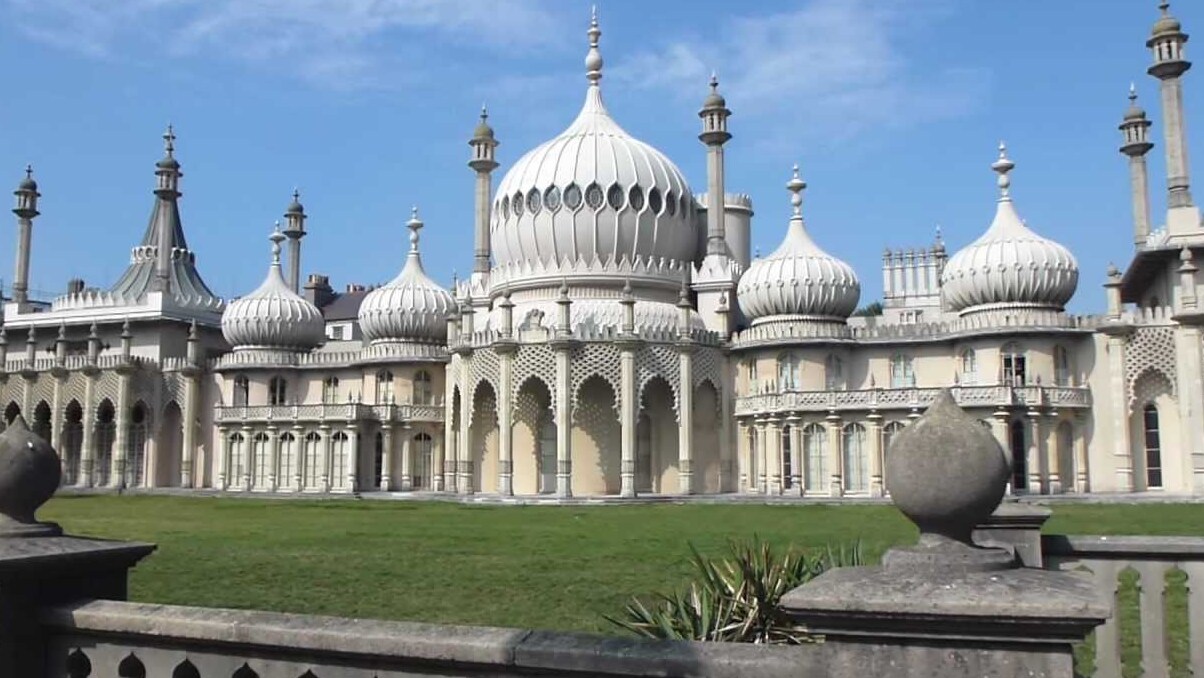
In the heart of Brighton, a city known for its eclectic vibe and seaside charm, stands a monument to opulence and eccentricity: the Royal Pavilion. This architectural marvel is not just a relic of the past but a vivid tapestry of history, artistry, and culture, drawing visitors into the flamboyant world of its creator, Prince Regent George IV.

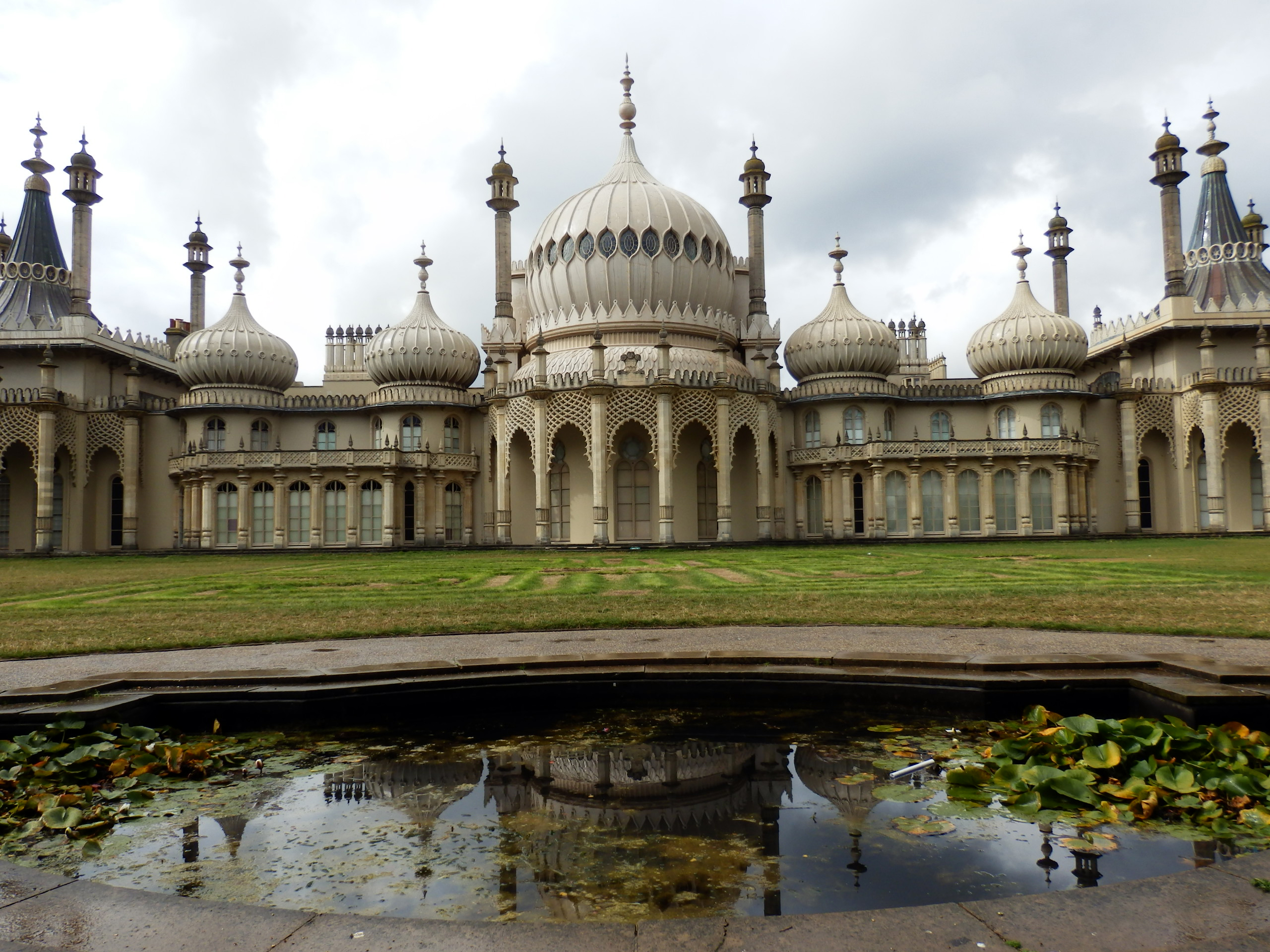
The origins of the Royal Pavilion trace back to 1787 when George, then Prince of Wales, sought a retreat from the rigors of London life. Initially, it was a modest farmhouse, but in the hands of George's favorite architect, John Nash, it underwent a dramatic transformation between 1815 and 1823. Nash, inspired by the exotic, crafted a palace unlike any other in the British Isles. The Pavilion’s exterior is an extraordinary blend of Indian and Oriental influences, featuring domes and minarets that evoke the grandeur of the Taj Mahal. Inside, the opulence continues with lavish interiors that reflect the Prince's fascination with the Orient.
The art and architecture of the Royal Pavilion are a testament to the Regency era's penchant for excess and eclecticism. The Banqueting Room, with its enormous, glittering chandelier suspended from a ceiling painted with dragons and plantain leaves, is a spectacle of grandeur. The Music Room, another highlight, dazzles with its gilded lotus-shaped chandeliers and walls adorned with Chinese-inspired wallpaper. It is said that the Prince Regent, a patron of the arts, often hosted extravagant parties here, setting the stage for Brighton’s reputation as a place of indulgence and creativity.
Brighton itself has been shaped by the Pavilion's presence. The city is a vibrant cultural hub, hosting festivals and events that celebrate its diverse heritage. The Brighton Festival, one of the largest and most established annual multi-arts festivals in England, echoes the Pavilion's spirit of artistic celebration. Local customs often involve a nod to the Pavilion's illustrious past, with themed events and exhibitions that explore its historical significance.
When it comes to gastronomy, Brighton offers a culinary landscape as diverse as its cultural one. While the Pavilion itself does not serve cuisine, the city's food scene is influenced by its history as a coastal town. Traditional fish and chips, served with a modern twist, can be found in many eateries. Additionally, the vibrant Lanes area offers a plethora of international dining options, reflecting the global influences that also characterize the Pavilion’s architecture.
For those seeking lesser-known curiosities, the Pavilion holds many secrets. One intriguing fact is its use during World War I when it was converted into a military hospital for Indian soldiers. This lesser-known chapter highlights the Pavilion's continued cultural exchange and historical significance. Another surprising detail is the secret tunnel that once connected the Pavilion to the nearby Dome, allowing George IV to move between his residences unseen.
For practical visitor information, the Pavilion is open year-round, but the best time to visit is during the spring and summer months when Brighton’s cultural calendar is in full swing. Visitors should allocate at least a couple of hours to fully appreciate the splendor of the interiors. Audio guides and tours offer deeper insights into the Pavilion’s history and its many stories. It’s advisable to book tickets in advance, especially during peak tourist seasons.
In conclusion, the Royal Pavilion is more than just a historical site; it’s a symbol of Brighton’s enduring allure and its spirit of innovation and celebration. Whether you're drawn by its architectural beauty, its rich history, or the vibrant culture it helps foster, the Pavilion promises an experience as unique and enchanting as the city it calls home.
