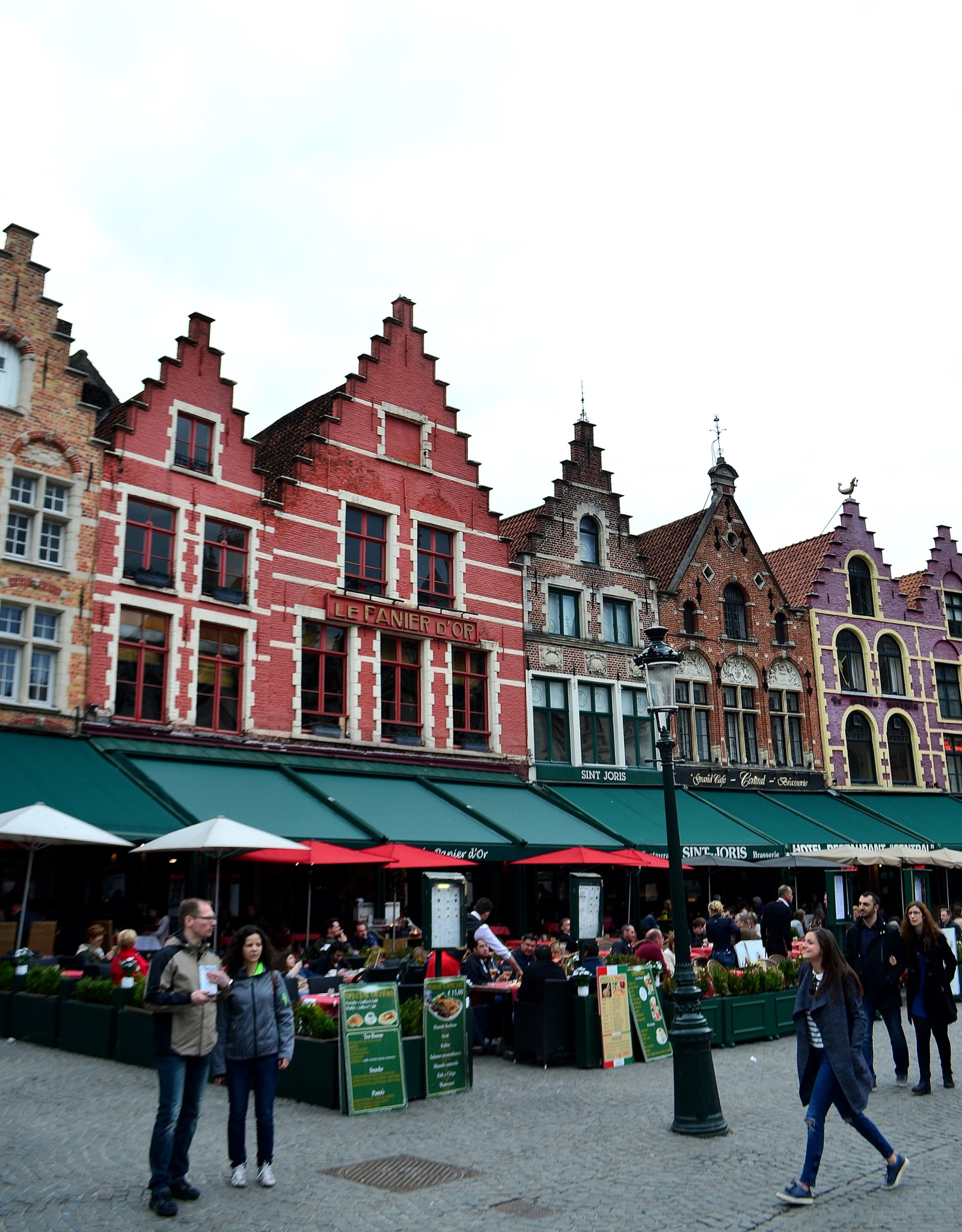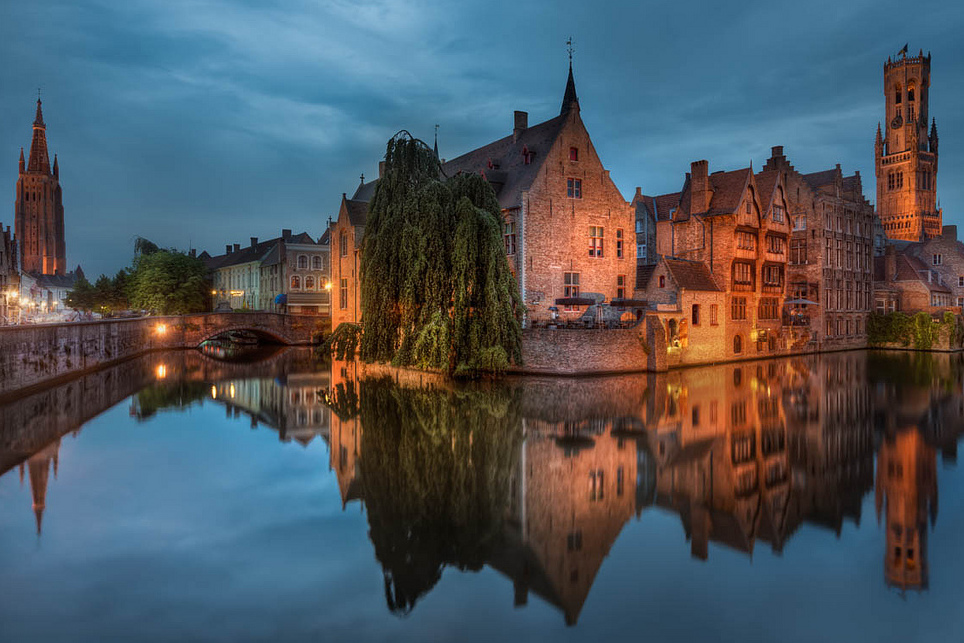

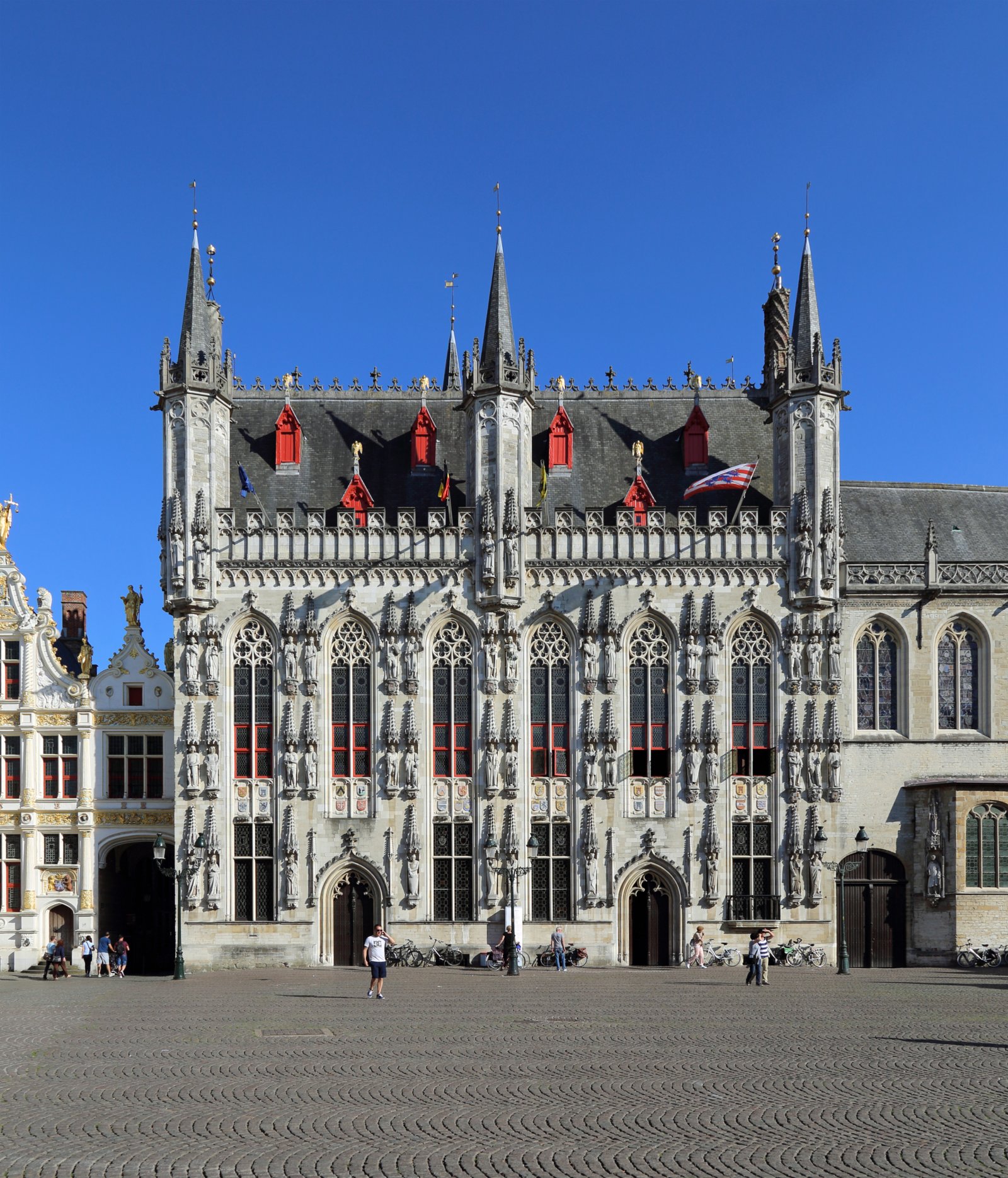
Nestled in the heart of Belgium, Bruges Old City is a mesmerizing blend of medieval charm and architectural grandeur. This fairy-tale town, with its dreamy canals and cobbled streets, feels like stepping back in time, offering a unique glimpse into a bygone era.
### History and Origins Founded in the 9th century, Bruges was initially a settlement by the Vikings. By the 12th century, it had flourished into an important trade hub due to its strategic position along the trade routes of northern Europe. The city saw its golden age in the 13th and 14th centuries, becoming one of the wealthiest cities in Europe. In 1309, Bruges became the site of the world’s first stock exchange, highlighting its economic significance. Despite the eventual decline in trade due to the silting of the Zwin channel, Bruges retained its historical allure, which has been beautifully preserved.
### Art and Architecture The architecture of Bruges is nothing short of spectacular, with its Gothic spires and medieval buildings. The Belfry of Bruges, standing proudly in the Grote Markt, offers panoramic views of the city. The Church of Our Lady houses Michelangelo’s Madonna and Child, a testament to the city's artistic heritage. The city’s canals, often referred to as the 'Venice of the North,' are lined with elegant facades that reflect the Flemish architectural style.
### Local Culture and Traditions Bruges is a city rich in cultural traditions. The Procession of the Holy Blood, held annually in May, is a UNESCO-recognized event that draws visitors from around the globe. This religious procession dates back to the 13th century and involves a relic said to contain the blood of Jesus Christ. The locals take great pride in their heritage, evident in the meticulous preservation of historical sites and the celebration of traditional festivals.
### Gastronomy A visit to Bruges is incomplete without indulging in its culinary delights. The city is famous for its Belgian waffles, chocolates, and frites. For a more sophisticated palate, Bruges offers a taste of traditional Flemish cuisine with dishes like Waterzooi and carbonnade flamande. Pair these with a locally brewed Trappist beer to truly savor the flavors of the region.
### Lesser-known Curiosities Beyond the popular sights, Bruges hides several lesser-known gems. The Beguinage, founded in 1245, offers a tranquil escape with its serene gardens and historic dwellings. Another hidden treasure is the Lamp Museum (Lumina Domestica), which boasts the world’s largest collection of lamps. For a quirky experience, visit the Frietmuseum, dedicated to the history of the beloved Belgian fry.
### Practical Visitor Information The best time to visit Bruges is during spring or early autumn when the weather is mild, and the crowds are fewer. Wander the city’s streets early in the morning or late in the afternoon to enjoy the sights without throngs of tourists. Be sure to explore the lesser-known neighborhoods to capture the essence of Bruges beyond the typical tourist trail.
For those seeking a seamless experience, the Secret World app crafts a personalized AI itinerary to help you uncover the hidden wonders of Bruges.