
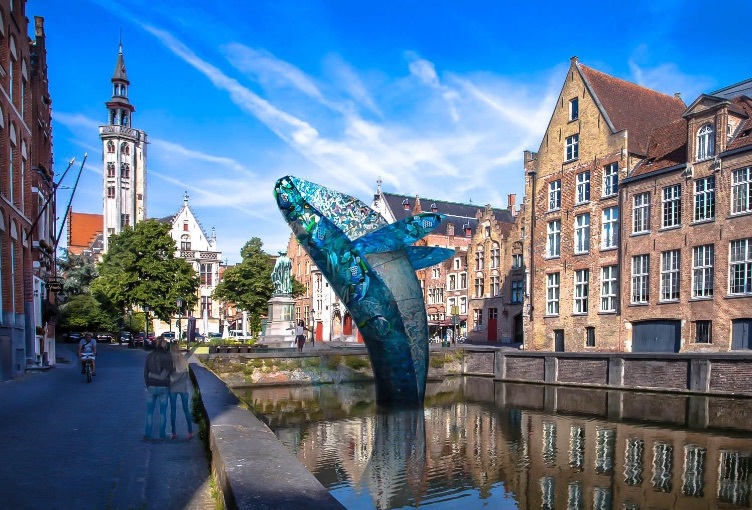

Nestled in the northwest of Belgium, Bruges, the capital of West Flanders, is a city that effortlessly blends history, art, and culture with its enchanting medieval charm. Known for its picturesque canals, cobblestone streets, and remarkable architecture, Bruges has been a UNESCO World Heritage site since 2000, attracting visitors from around the world who seek to experience its unique, timeless allure.
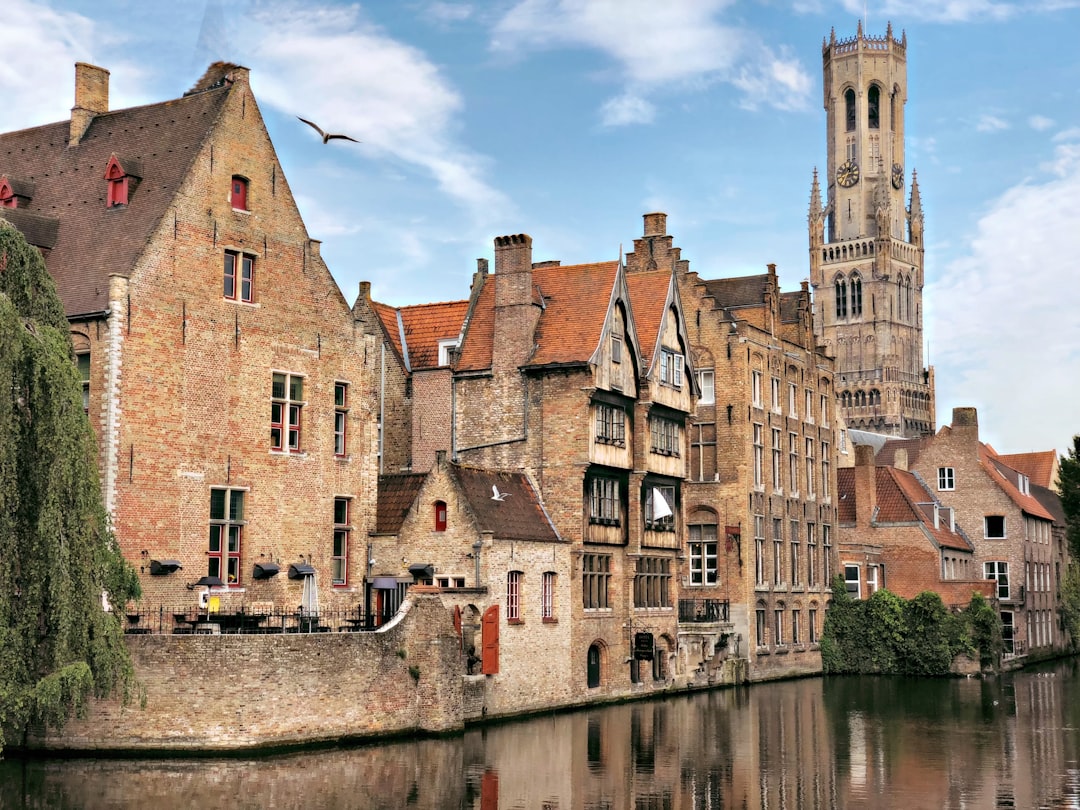
Bruges’ origins date back to the first century BC, rooted in a Gallo-Roman settlement that evolved over centuries into a bustling medieval trade center. By the 12th century, Bruges had become one of the wealthiest cities in Europe, thanks to its strategic location and thriving wool trade. The city’s fortunes, however, shifted in the 15th century when the Zwin Channel, its primary access to the sea, silted up, leading to economic decline. Yet, this downturn preserved much of Bruges’ medieval architecture, making it a living museum of the Middle Ages.
The city’s rich artistic heritage is mirrored in its splendid architecture. The Gothic-style Stadhuis, located in Burg Square, showcases intricate façades and an ornately decorated ceiling. Another architectural gem is the Basilica of the Holy Blood, a dual-level chapel housing a venerated relic believed to be the blood of Christ. Art lovers will find the Groeningemuseum indispensable; it houses works by Flemish Primitive artists like Jan van Eyck and Hans Memling, whose portraits and religious paintings highlight Bruges’ Golden Age.
Bruges is as much about its living culture as it is about its past. The city celebrates its traditions with vibrant festivals and events. The Procession of the Holy Blood, held annually on Ascension Day, sees the streets filled with medieval pageantry as locals parade through the city carrying the sacred relic. This deeply-rooted tradition underscores Bruges’ enduring spiritual and cultural tapestry.
The gastronomic offerings of Bruges are a delight for the senses. The city is famed for its Belgian chocolate, and a visit to one of the many artisanal chocolatiers is a must. Moules-frites (mussels and fries) are a classic dish, best enjoyed with a locally brewed Belgian beer. Bruges is home to several breweries, including the historic De Halve Maan Brewery, where you can sample the iconic Brugse Zot beer.
Beyond the well-trodden paths, Bruges harbors intriguing stories and hidden gems. The Begijnhof, a tranquil enclave once inhabited by beguines, offers a serene escape from the bustling city. For a whimsical experience, explore the Frietmuseum, the only museum in the world dedicated to the history of the beloved Belgian fry. And don’t miss the quaint Blind Donkey Alley (Blinde-Ezelstraat), a narrow passage linking Burg Square to the Fish Market, steeped in local legend.
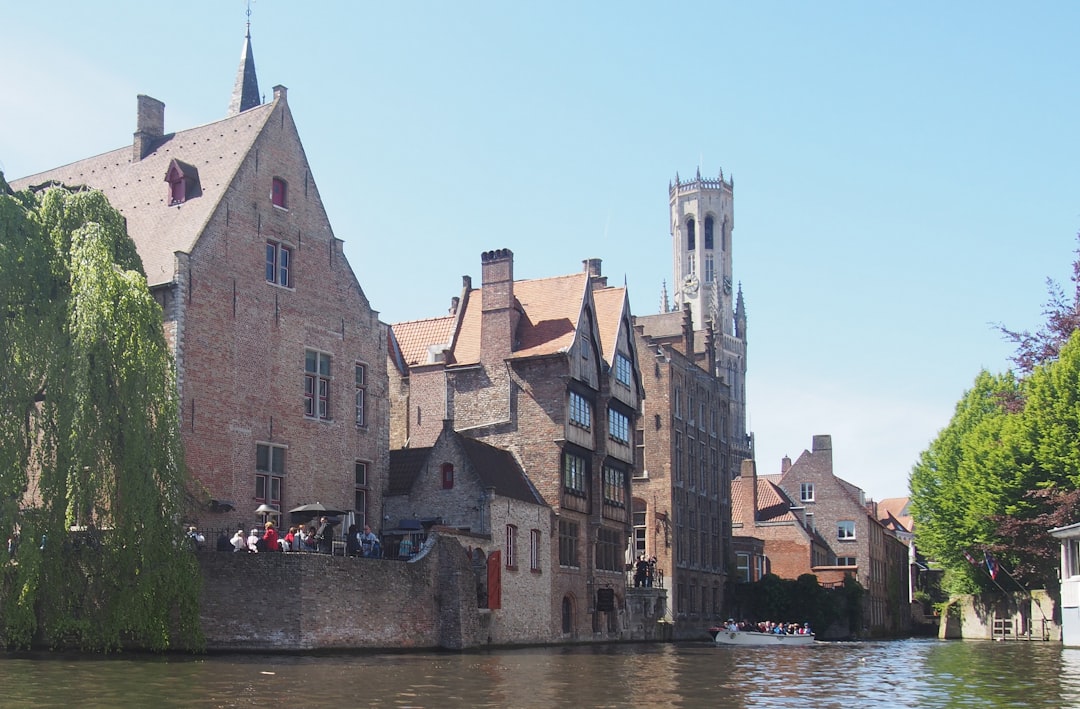
When planning a visit, aim for late spring or early fall, when the weather is mild and the tourist crowds lighter. Wander the city at dawn to witness its ethereal beauty as mist rises from the canals, or take a boat ride for a different perspective on its fairy-tale vistas. Look out for the city’s hidden corners and quiet squares, where you can pause and soak in the atmosphere.
For a truly immersive experience, use Secret World app to craft your personalized AI itinerary and uncover Bruges’ secrets like never before.


