
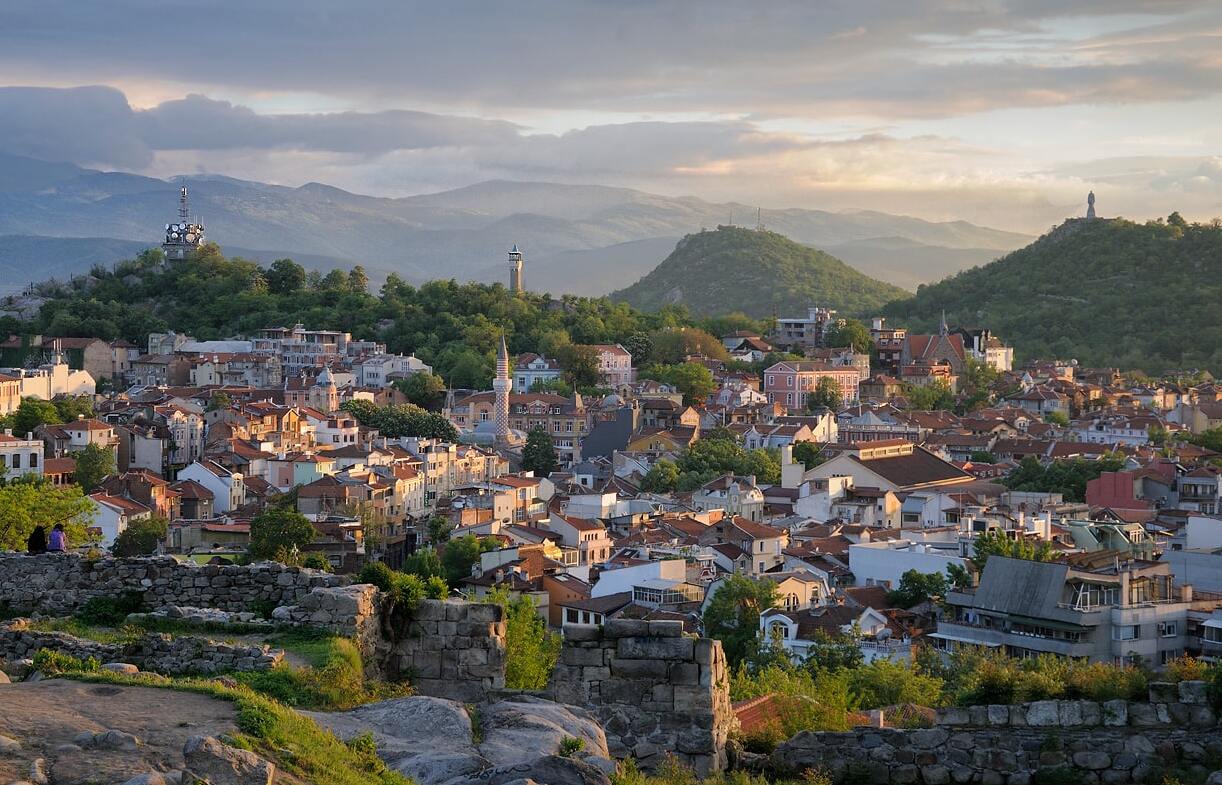

Nestled in the heart of Bulgaria, Plovdiv is a city where time seems to stand still, revealing layers of history and culture that captivate every visitor who walks its ancient streets. Known as the historical capital of Thrace, Plovdiv is the second-largest city in Bulgaria, trailing only behind the bustling capital Sofia. This city has long been a melting pot of cultures, and its rich tapestry of history is woven from the diverse threads of its many past inhabitants.
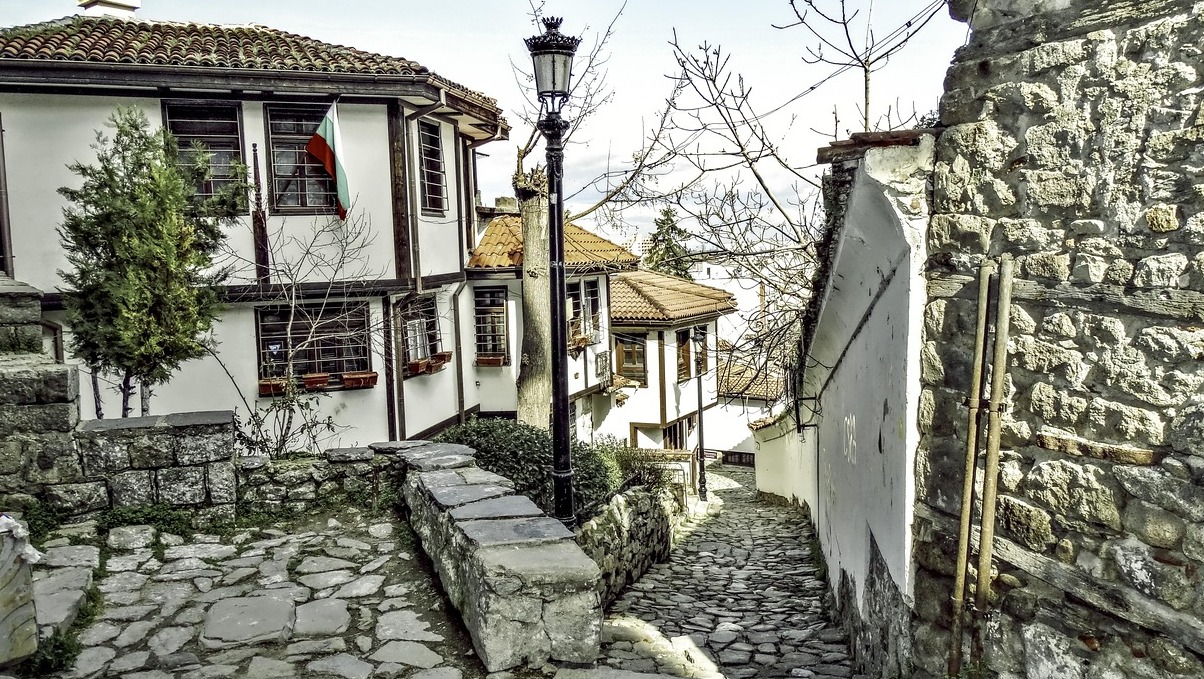
History and Origins Plovdiv's history stretches back over 6,000 years, making it one of Europe's oldest continuously inhabited cities. Founded by the Thracians, it was originally known as Eumolpias. Later, it was conquered by Philip II of Macedon in 342 BC, who renamed it Philippopolis. Under Roman rule, it flourished as a major cultural and economic center, evidenced by the stunning Roman theatre that still stands today. Throughout its history, Plovdiv has been part of the Byzantine, Ottoman, and Bulgarian Empires, with each era leaving an indelible mark on the city's character.
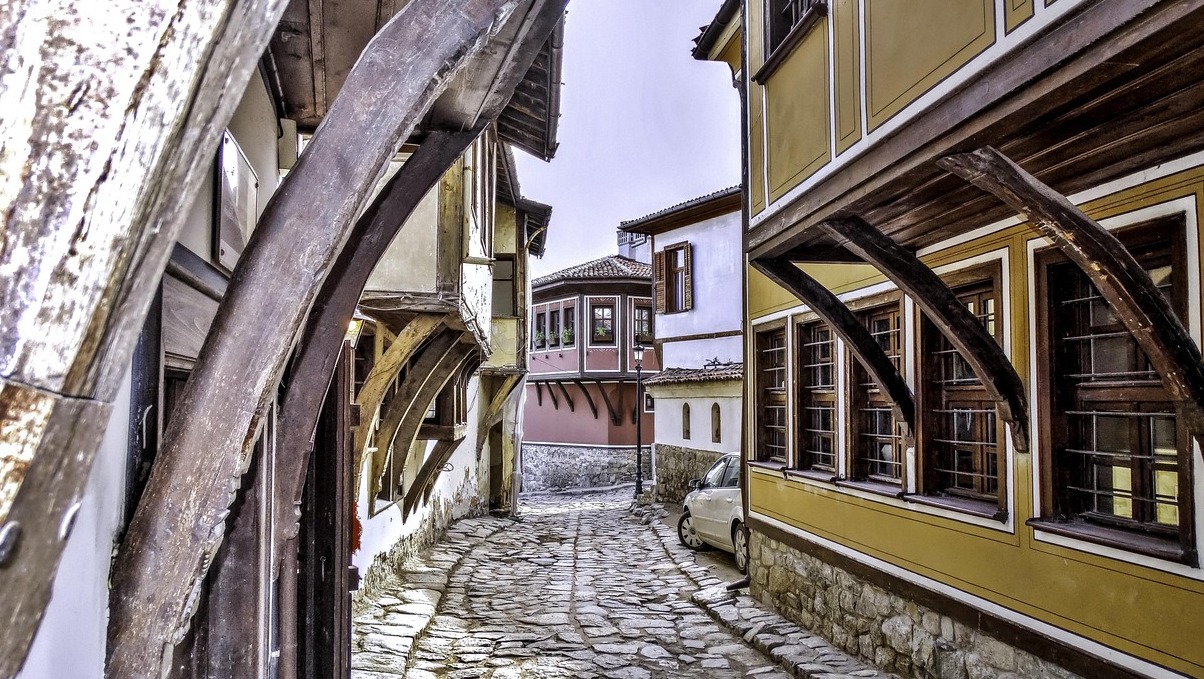
Art and Architecture The architectural beauty of Plovdiv is epitomized by its Old Town, a treasure trove of Bulgarian Revival architecture. This style, prominent in the early 19th century, can be seen in the colorful, ornately decorated houses that line the cobblestone streets. Noteworthy among them are the Balabanov House and the Hindliyan House, which showcase period furnishings and elaborate murals. The city also boasts the Ancient Stadium of Philippopolis, partially revealed beneath the modern streets, offering a glimpse into its Roman past.
Local Culture and Traditions Plovdiv is a cultural hub, hosting numerous festivals that celebrate its diverse heritage. The International Folklore Festival is a vibrant display of music and dance from around the world, while the Plovdiv Jazz Fest attracts top international musicians. Traditional Bulgarian customs are deeply embedded in local life, with celebrations like Baba Marta, where people exchange red and white yarn bracelets to welcome spring, being enthusiastically observed.
Gastronomy A culinary journey in Plovdiv is an exploration of flavors that reflect the city’s rich past. The local cuisine is marked by dishes like kyufte (spicy meatballs) and shopska salad, a refreshing mix of tomatoes, cucumbers, and sirene cheese. Pair these with a glass of Mavrud, a robust red wine native to the Thracian region, for an authentic taste of Plovdiv’s culinary heritage.
Lesser-known Curiosities Beyond its well-trodden paths, Plovdiv holds secrets that intrigue the intrepid explorer. The Kapana District, once a neglected neighborhood, has transformed into a vibrant arts quarter, filled with galleries, cafes, and creative spaces. Another hidden gem is the Bishop’s Basilica, an archaeological site revealing exquisite Roman mosaics, some of the finest in the Balkans.
Practical Visitor Information The best time to visit Plovdiv is during the spring or autumn when the weather is mild, and the city’s natural beauty is at its peak. Walking is the best way to explore, so wear comfortable shoes. Don’t miss the sunset view from Nebet Tepe, one of the city’s ancient hills, offering panoramic vistas of Plovdiv’s skyline.
To create a memorable itinerary tailored to your interests, consider using the Secret World app to plan your visit to Plovdiv.


