
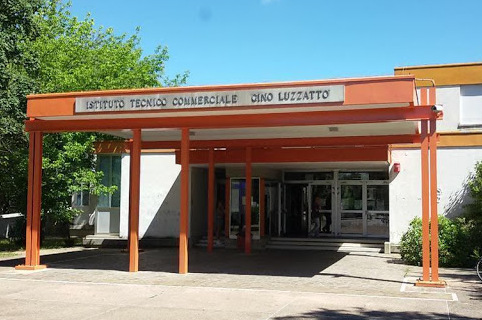

Nestled in the heart of Portogruaro, the Business Economics Museum offers a fascinating glimpse into the evolution of Italy’s financial landscape. Established in 2006, this museum is housed in a former Franciscan convent, a historical structure that adds to the allure of the exhibits inside. The museum’s collection is rich and varied, tracing the origin and evolution of banks, the intricacies of trade and accounting, the progression of company history, and the complex narrative surrounding Italian public debt. Each section utilizes a chronological approach, allowing visitors to navigate through time and witness the development of financial practices and institutions that have shaped modern Italy.
The museum’s architecture is a harmonious blend of historical and modern elements. The former convent, with its Gothic influences and serene cloisters, creates a contemplative atmosphere, perfect for engaging with the financial artifacts on display. Inside, the exhibitions are thoughtfully curated, featuring ancient manuscripts, ledgers, and other documents that tell the story of commerce and finance in Italy. Notably, visitors can observe how family-run businesses and larger traders navigated economic challenges, providing a personal touch to the broader financial history.
In terms of local culture, Portogruaro is not just about economics. The town celebrates various traditional festivals, such as the Festa del Riso (Rice Festival) held annually in the late summer, showcasing the region’s agricultural heritage. This event is a delightful blend of local cuisine, music, and art, embodying the spirit of the community. The Cavalcade of St. Andrew, another key festival, takes place in November and features a parade that honors the town’s patron saint, bringing locals and visitors together in celebration.
When it comes to gastronomy, Portogruaro offers delicious local dishes that reflect its agricultural roots. The area is renowned for its rice, particularly Vialone Nano, a variety that thrives in the nearby paddies. Visitors can savor traditional dishes such as risotto al nero di seppia (cuttlefish risotto) or explore the rich flavors of local cheeses and cured meats. Pair these culinary delights with a glass of Prosecco from nearby vineyards, and you’ll experience the true taste of the Veneto region.
Among the lesser-known curiosities of the Business Economics Museum is its focus on Italian public debt, a subject often overlooked in favor of more glamorous topics. The museum highlights how public finance has been a pivotal aspect of Italy’s development, with documents tracing back to the Austro-Hungarian Empire and beyond. Additionally, many visitors miss the beautiful courtyard gardens, which provide a peaceful retreat for reflection after exploring the exhibits.
The best time to visit the Business Economics Museum is during the spring and early fall when the weather is pleasant and local festivals are in full swing. Be sure to check the museum’s schedule for any special exhibitions or guided tours that may offer deeper insights into specific topics. It’s advisable to allocate at least two hours for your visit to fully appreciate the intricate details of the exhibits. Don’t forget to explore the surrounding area, where the charming streets of Portogruaro invite leisurely strolls, with stunning views of canals and medieval architecture.
Whether you are a history buff, a finance enthusiast, or simply curious about the intersection of economics and everyday life, the Business Economics Museum in Portogruaro offers a unique experience that intertwines the past with the present. For a truly personalized exploration of this gem and more, consider using the Secret World app to plan your itinerary to visit Portogruaro.


