
← Back

Byzantine Walls of Thessaloniki

Elenis Zografou, Thessaloniki 546 34, Greece ★★★★☆ 195 views
Brenda Falk
Thessaloniki
🏆 AI Trip Planner 2026

Get the free app

Discover the best of Thessaloniki with Secret World — the AI trip planner with 1M+ destinations. Get personalized itineraries, hidden gems and local tips. Free on iOS & Android.

🧠 AI Itineraries 🎒 Trip Toolkit 🎮 KnowWhere Game 🎧 Audio Guides 📹 Videos
Scan to download iOS / Android
Scan for AppGallery Huawei users

About Byzantine Walls of Thessaloniki

Byzantine Walls of Thessaloniki - Thessaloniki | Secret World Trip Planner

The Byzantine Walls of Thessaloniki are an awe-inspiring marvel of ancient engineering and strategic design, shaping the cityscape and serving as silent guardians of its storied past.
Byzantine Walls of Thessaloniki - Thessaloniki | Secret World Trip Planner

Originally founded by Cassander, the city of Thessaloniki quickly rose to prominence, necessitating a fortification system. It was King Constantine who first constructed the artificial harbor at the south-west end of the sea wall between 322 and 323 AD. However, it was under Emperor Theodosius I in 390 AD that the walls underwent a transformative change.

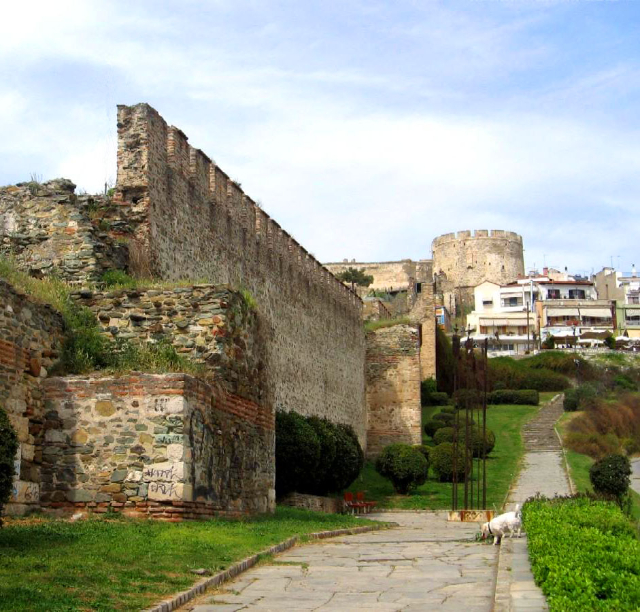
Stretching for an impressive 8 kilometers, the new walls adopted a trapezoidal configuration that hugged the city's terrain. Rectangular towers punctuated the slopes of the hill, with strategic points reinforced by alternating triangular bulwarks, adding both aesthetic and defensive complexity. Particularly imposing were the fortifications of the Acropolis, where innovations in design were most apparent. The Acropolis itself was a marvel, complete with a massive cistern in its south-east section that acted as the city's water reservoir.
Byzantine Walls of Thessaloniki - Thessaloniki | Secret World Trip Planner

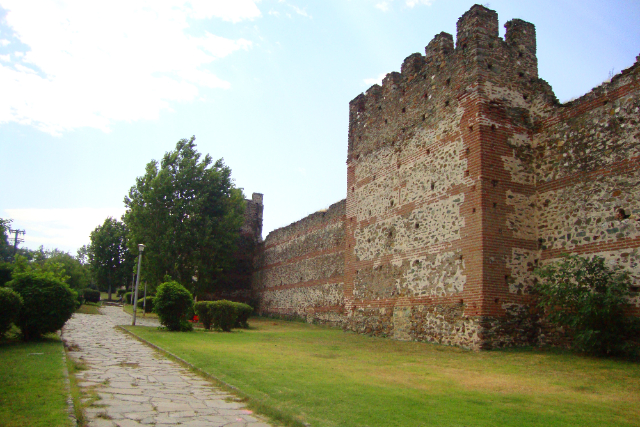
The sea-facing wall of the city showcased a brilliant blend of practicality and resourcefulness. Architectural elements from late Roman buildings in the Agora were repurposed, most likely during the repairs that followed the earthquakes of 620-630 AD.

As the 15th century dawned and the threat from the Turks loomed ever larger, further fortifications were added. It is in this period that scholars believe the iconic Trigoniou Tower and the White Tower, symbols of the city today, were constructed.

Inside these imposing walls lies a treasure trove of archaeological finds. The Fortress of the Heptapyrgion stands as a stalwart reminder of the city’s defensive might. Adjacent to this, archaeologists have unearthed an Early Christian basilica, further emphasizing the city's rich tapestry of history and religious significance.

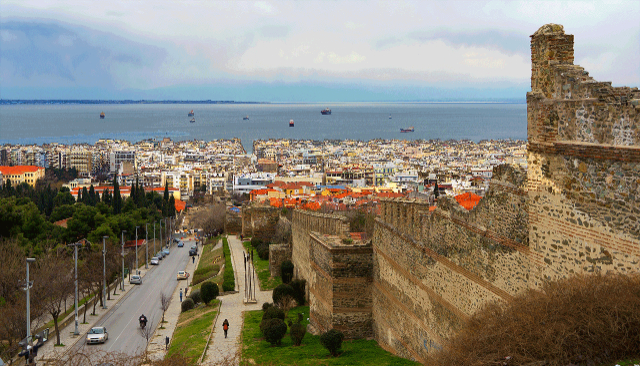
In the late 19th century, modernization led to the unfortunate demolition of the sea wall and portions of the land walls in the flatter areas of the city. However, the remnants that do survive today, nearly 4 kilometers in length, remain a compelling sight. Towering as high as 10.50 meters and with a width reaching up to 4.50 meters, these formidable structures serve as enduring monuments of great archaeological and cultural value. Ongoing excavations are gradually revealing the hidden line of the original sea wall, adding another layer to our understanding of this extraordinary fortification system.

Today, the Byzantine Walls of Thessaloniki are not just architectural relics; they are living history, capturing the imagination of residents and visitors alike. They stand as a lasting tribute to the engineering ingenuity of the Byzantine Empire and as a symbol of Thessaloniki's resilience and enduring charm.

🗺 AI Trip Planner

Plan your visit to Thessaloniki

Suggested itinerary near Byzantine Walls of Thessaloniki

MAJ+
500.000+ travelers worldwide
  1. 🌅
    Morning
    Byzantine Walls of Thessaloniki
    📍 Thessaloniki
  2. ☀️
    Afternoon
    Pasha's Gardens: A Tranquil Oasis in Thessaloniki
    📍 0.1 km · Thessaloniki
  3. 🌆
    Evening
    Church of Agios Nikolaos Orphanos
    📍 0.2 km · Thessaloniki

Buy Unique Travel Experiences

Powered by Viator

See more on Viator.com

Explore nearby · Thessaloniki

Frequently Asked Questions

The Byzantine Walls of Thessaloniki stretch for an impressive 8 kilometers around the city. Built under Emperor Theodosius I in 390 AD, they were designed in a trapezoidal configuration that followed the city's natural terrain, with rectangular towers and triangular bulwarks strategically positioned along the slopes for both defense and aesthetic appeal.
The White Tower is an iconic symbol of Thessaloniki that scholars believe was constructed in the 15th century when the city faced increasing threats from Turkish forces. It was built alongside other fortifications like the Trigoniou Tower during this period as part of enhanced defensive measures to protect the city.
Inside the walls, you'll discover the Fortress of the Heptapyrgion, a stalwart reminder of the city's defensive capabilities, and an Early Christian basilica that archaeologists have unearthed. These sites showcase Thessaloniki's rich tapestry of history spanning military, architectural, and religious significance.
The sea-facing wall brilliantly repurposed architectural elements from late Roman buildings found in the Agora, most likely during repairs following the earthquakes of 620-630 AD. This resourceful approach demonstrates the practical ingenuity of Byzantine engineers in maintaining the city's defenses while using available materials.
Thessaloniki was originally founded by Cassander, and King Constantine constructed the first artificial harbor at the south-west end of the sea wall between 322 and 323 AD. However, the major transformative fortification system was built under Emperor Theodosius I in 390 AD, creating the impressive defensive structure that still stands today.
