
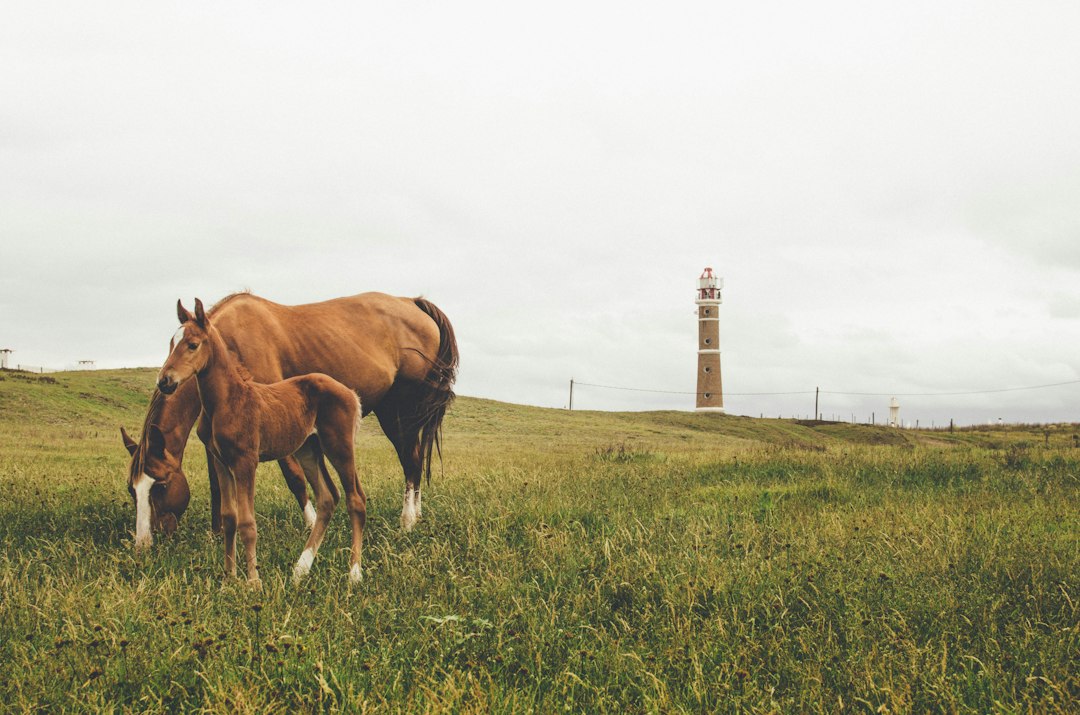

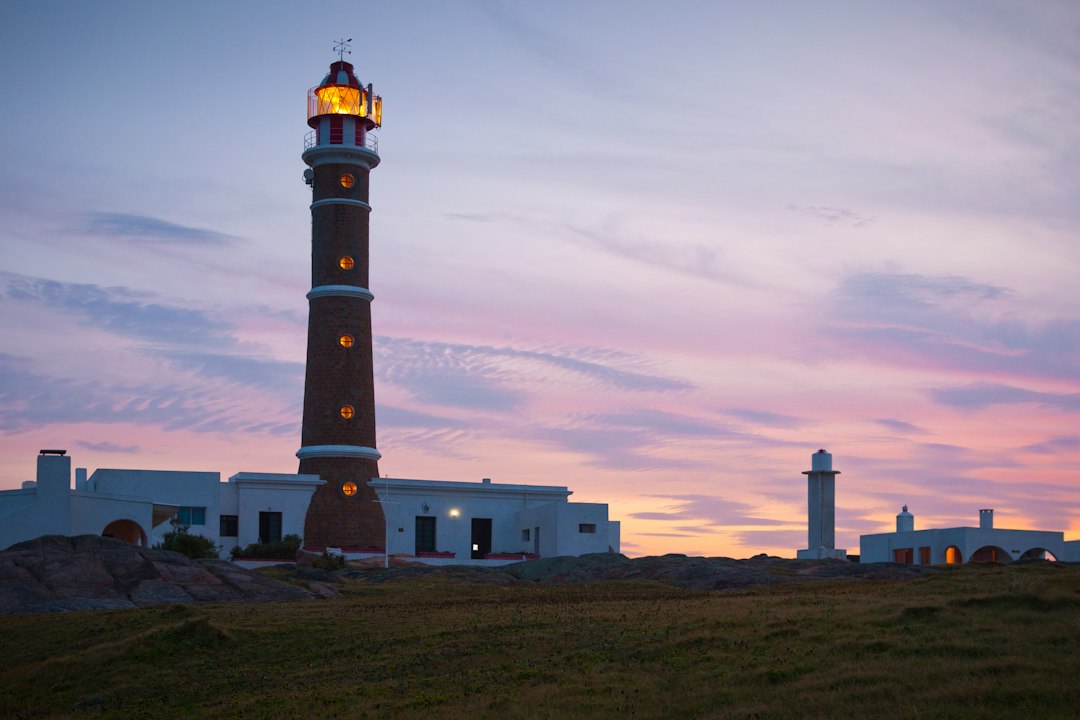
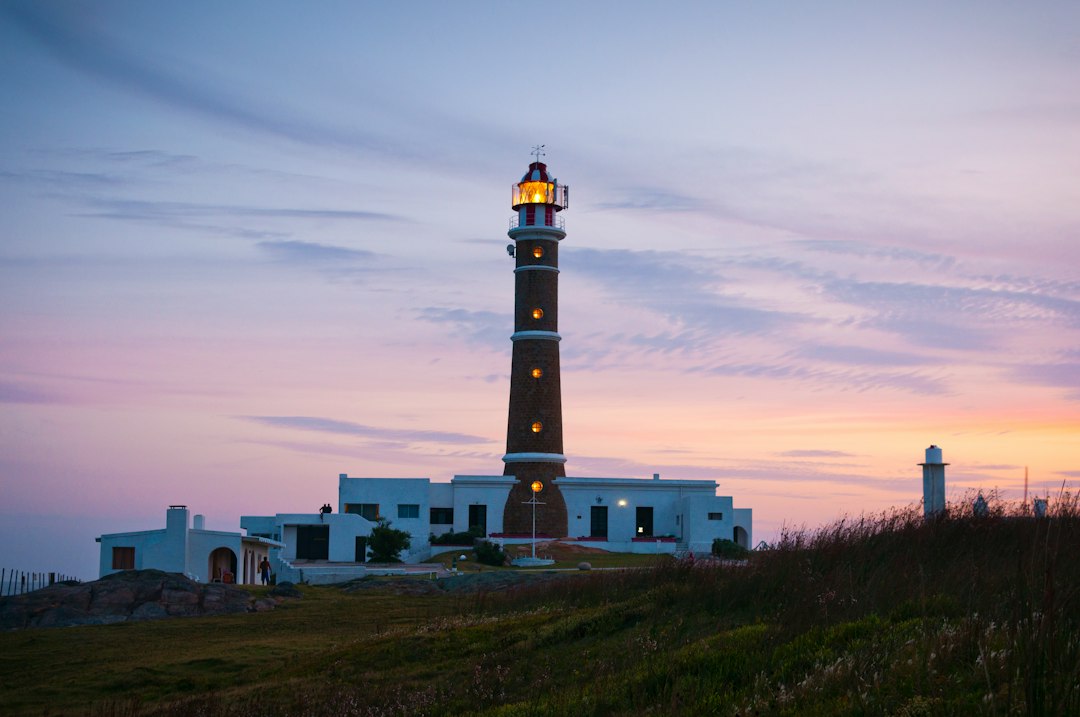
The sound of the sea lions arrives before anything else. Even before seeing the lighthouse, while the off-road vehicle bounces over the white sand dunes of eastern Uruguay, the hoarse voices of hundreds of pinnipeds fill the briny air. Then, after passing the last sand crest, it appears: the white tower of the Farol de Cabo Polonio, rising on the rocky promontory like a needle planted in the Atlantic.
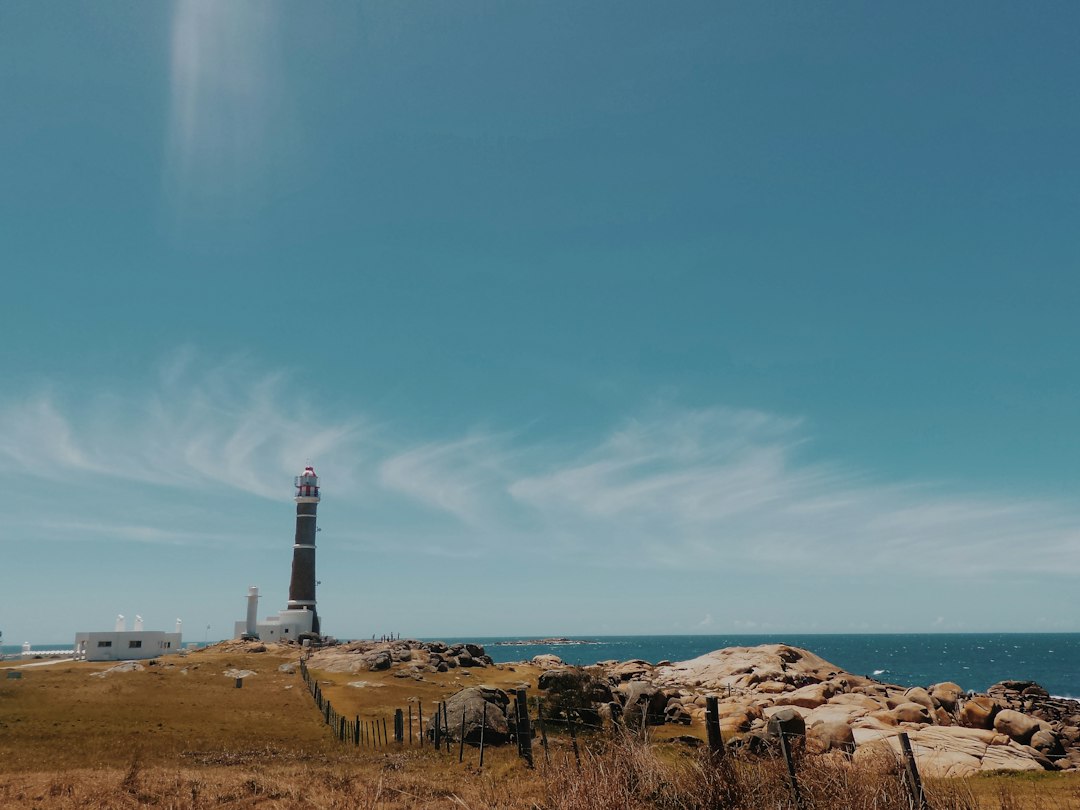
Built in 1881, this lighthouse is not simply a historic building overlooking the sea. It is the beating heart of one of the most isolated communities on the South American continent: a village without electricity or running water, accessible only on foot through the dunes or by an all-terrain vehicle. Cabo Polonio still lives outside of time, and the lighthouse is its most powerful symbol.
A lighthouse built to save lives in the South Atlantic
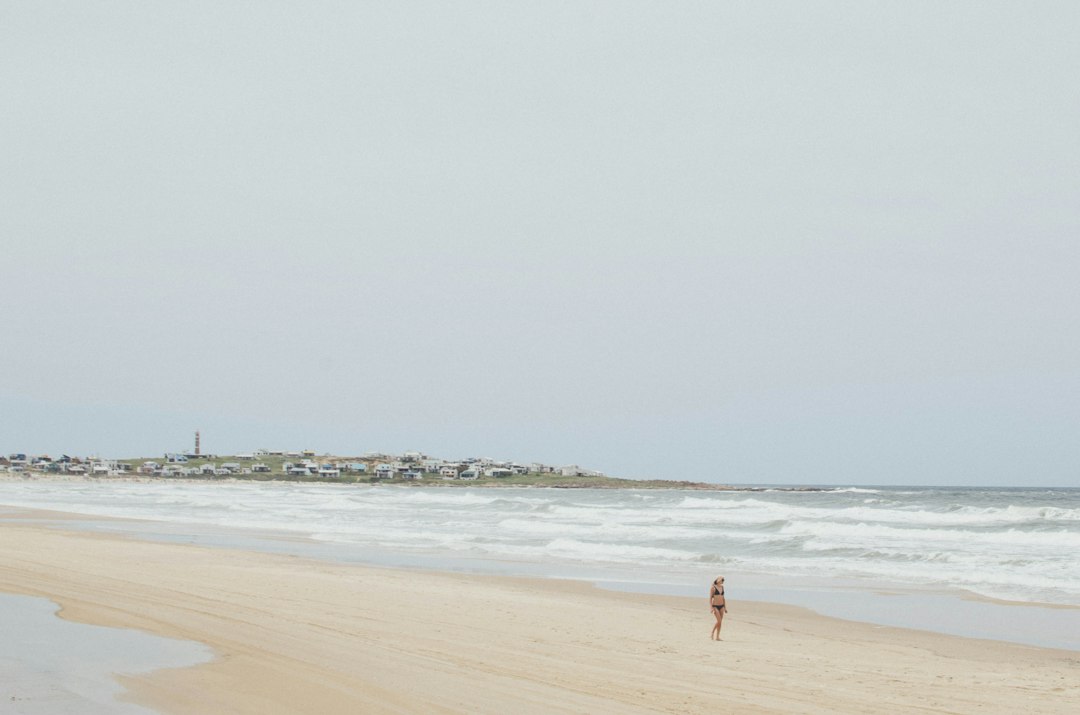
The tower of the Farol de Cabo Polonio reaches a height of about 26 meters above sea level, but its position on the promontory allows it to dominate the sea from a much higher focal height. The light, visible for dozens of kilometers offshore, was installed to signal one of the most treacherous stretches of coastline in Uruguay, where Atlantic currents and rocky banks have swallowed numerous vessels over the past centuries. The lighthouse is still operational today and managed by the Armada Nacional de Uruguay, the Uruguayan navy, which maintains its operation and allows public visits at certain times of the year.
Climbing the internal steps of the tower is an experience that requires breath and attention: the spiral staircase is narrow and steep, as in many 19th-century lighthouses. But the view from the lantern rewards every effort. From up there, one can embrace the entire peninsula with a single glance: to the left, the dunes that fade towards Valizas, to the right, the rocks where colonies of Otaria flavescens, the South American sea lion, rest, and in front, the ocean that has no visible boundaries until Antarctica.
The village off the grid: living without electricity
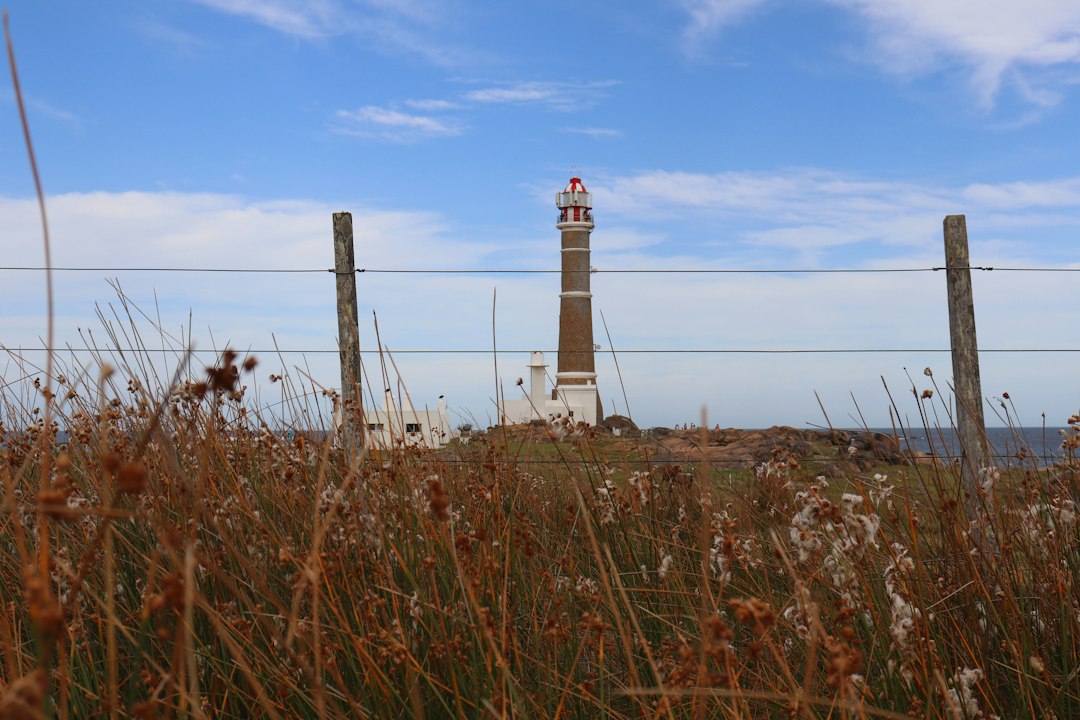
Around the lighthouse, a small village has developed over the decades, counting a few hundred permanent residents, many of whom live in colorful wooden houses, illuminated in the evening by candles, gas lamps, or privately owned solar panels. Cabo Polonio is one of the few inhabited settlements in Uruguay that is completely off-grid: there is no connection to the national electricity grid or the public water supply. Water is collected from rain or transported. Energy, for those who have it, is produced independently.
This condition is not the result of abandonment, but of a collective and regulatory choice: the area is part of a protected national park, the Cabo Polonio National Park, officially established in 2009. The constructions are subject to strict regulations, and motorized access is controlled. Those arriving by car must leave their vehicle in the parking lot on the main road and take one of the collective off-road trucks that travel the approximately seven kilometers of dunes to the village. The transportation cost is modest and varies depending on the season.
The sea lions: closer than you expect
The colonies of sea lions that inhabit the rocks around the promontory are among the most accessible along the entire South American Atlantic coast. The animals rest, fight, and nurse their pups just a few meters from the walkable paths, without fences or barriers. It is essential to maintain a respectful distance and not attempt to get too close: adult males can be aggressive and move with surprising speed on the rocks. But observing them from a safe distance, with the lighthouse in the background and the Atlantic wind in your face, is one of those sights that stays with you.
The presence of these animals is not occasional: Cabo Polonio is one of the most important breeding sites for the South American sea lion along the Uruguayan coast, along with Lobos Island, further north. The season when the colony is most numerous and active typically runs from December to March, corresponding to the southern summer.
How to get there and when to go: practical advice
The starting point to reach Cabo Polonio is the city of Rocha or, more conveniently, the stop on Ruta 10 at the height of the sign for the park. From Montevideo, it is about 270 kilometers east. Collective off-road trucks depart from the official parking lot, and the service is mainly active during the summer months; in the low season, the rides are less frequent and some accommodation facilities in the village close.
The best time to visit is early in the morning, when the slanting light enhances the colors of the dunes and the village is still quiet. Those who wish to sleep in the village will find some posadas and rental houses that operate on solar energy: booking in advance is essential during the high season, from December to February. Bringing enough water, sunscreen, and suitable shoes for the sand is not optional: it is a concrete necessity in a place where the nearest store is literally beyond the dunes.


